Shayan Bisney pens a wonderful article about Fali Nariman, who passed away recently. “I am very proud to say that my...
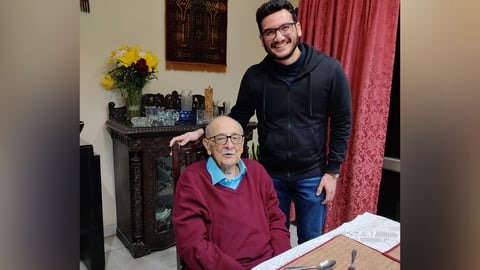
Shayan Bisney pens a wonderful article about Fali Nariman, who passed away recently. “I am very proud to say that my...
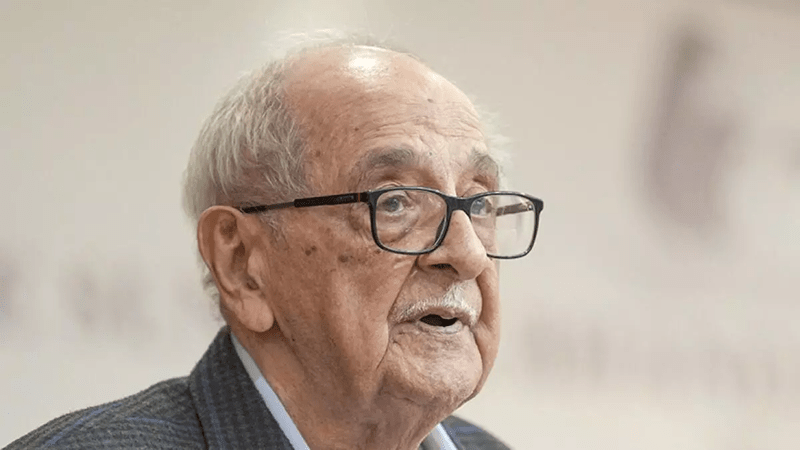
Fali S. Nariman (1929-2024): A life dedicated to the Constitution’s promise From defending business giants to...
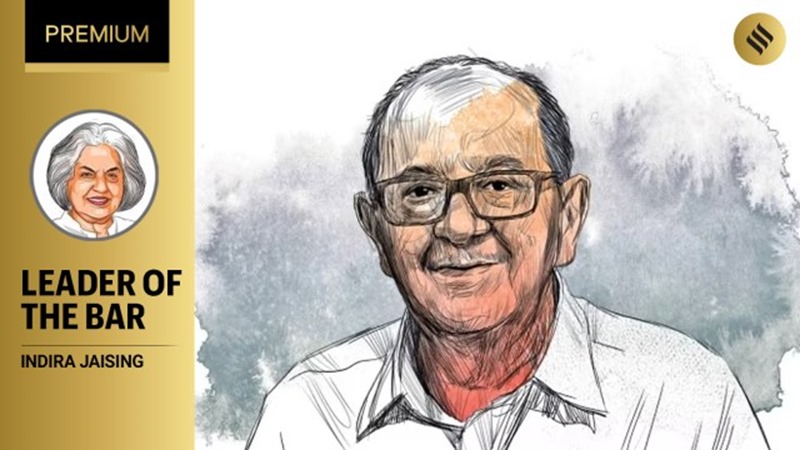
Indira Jaising writes: Indian law, after Fali S NarimanThe thinking of generations of lawyers has been shaped by the cases Fali Nariman arguedWritten by Indira Jaising | Indian ExpressFali Nariman...
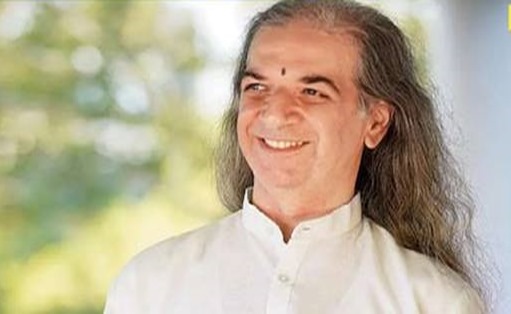
EducationMeet IIT Bombay graduate who left high paying job to become a monk due to...Khurshed Batliwala completed his studies at IIT Bombay but rather than teach people math, he decided, more than...
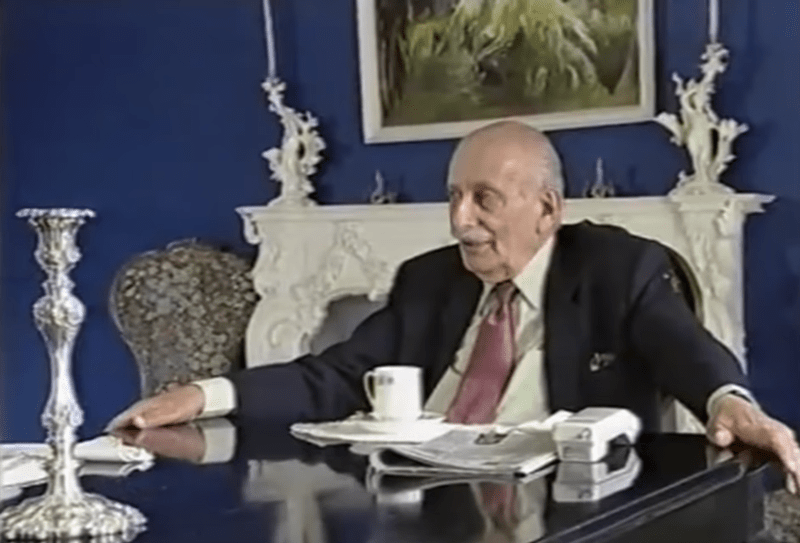
in 2003 UNESCO’s PARZOR Project produced “In War and Peace” a documentary abou tthe life of India’s first Field Marshal Sam Manekshaw. Directed by Jessica Gupta, the documentary travels back in time...
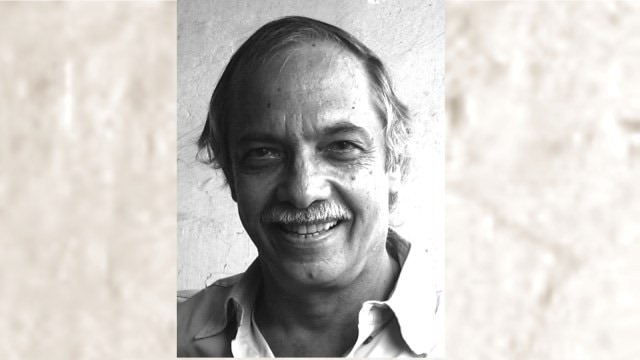
Said so much with understatement: Gieve Patel’s life in art and poetryBorn in 1940, pursuing medicine for most of his adult life, turning to art in his twenties and acquiring cultish respect in...
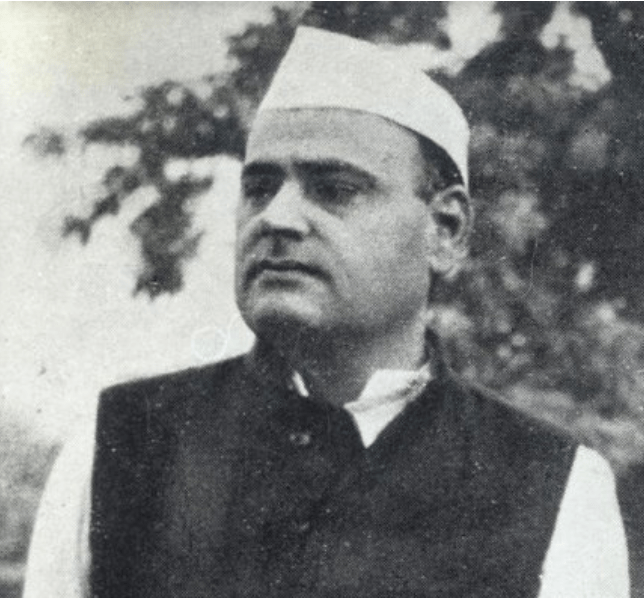
Feroze Gandhi was a freedom fighter, prominent parliamentarian and crusader against corruption. This piece traces the various threads in his rich life, including his joining the Nehru family, before...
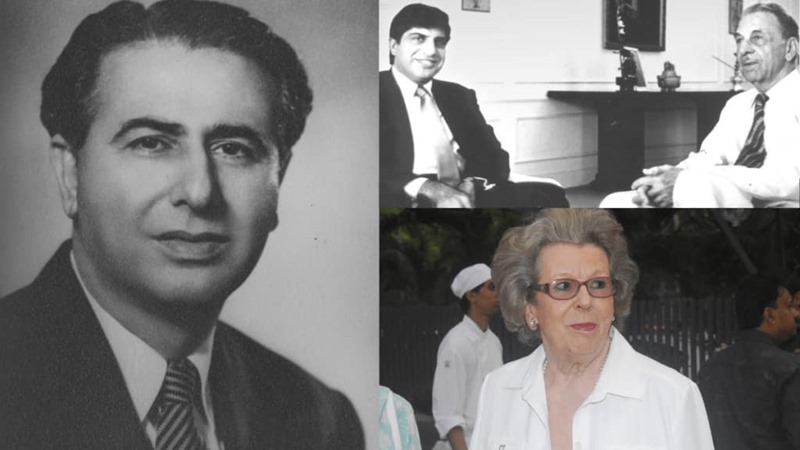
At age 13, he was adopted by Sir Ratan Tata, marking the beginning of a journey that intertwined his destiny with the illustrious Tata family. JRD Tata was the cousin of Naval tata/ Source: Tata/...
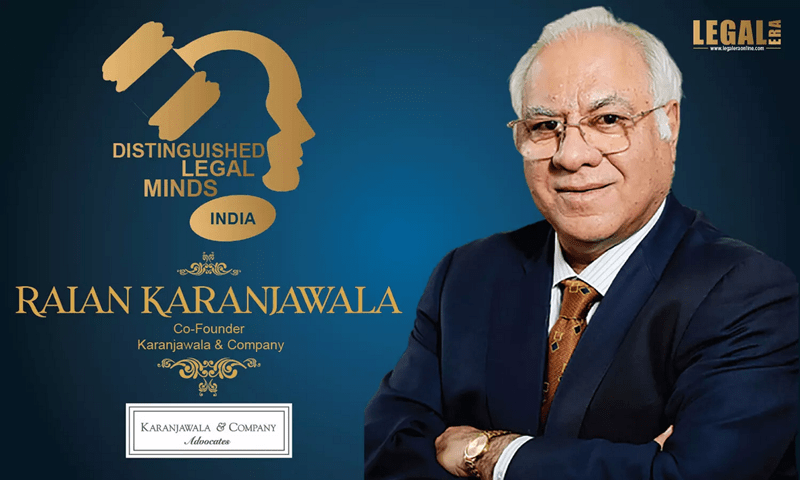
His relationship with these luminaries deepened over decades, as Karanjawala was by their side through good times and bad.Article by S N Thyagarajan | Money ControlRaian Karanjawala and his...
At Parsi Khabar we are saddened to hear about the passing away of Darius Forbes. Our condolences to the entire family and his friends and loved ones. Here is an 2011 article on Darius Forbes that...

“The political divide between India and Pakistan may keep getting wider, but because of Cooper Ma'am, the divide among people got narrower… She was the bridge between the two (countries),” summed up...
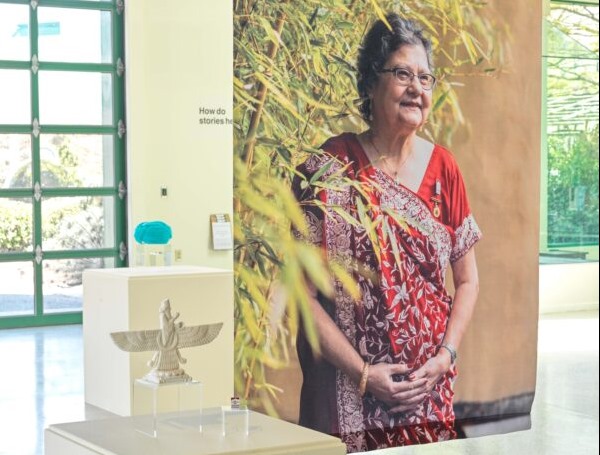
Our dearest friend, mentor and past FEZANA President Katayun Kapadia is featured in“Local Voices: Memories, Stories, and Portraits,”one of two new exhibitions on view at Grounds For Sculpture in...
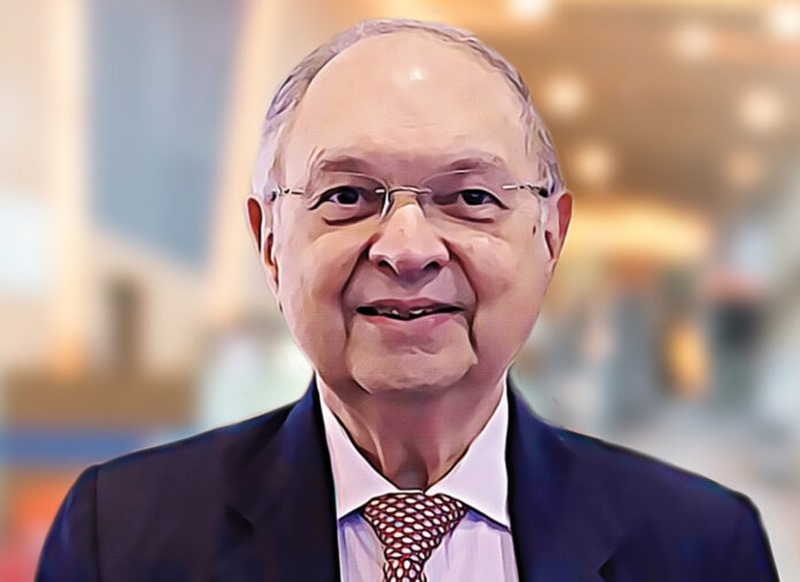
From the original generation of Pakistanis, Avari was a shrewd businessman and a faithful community leader. But what does the Pakistan he leaves behind look like? There is an air that surrounds the...
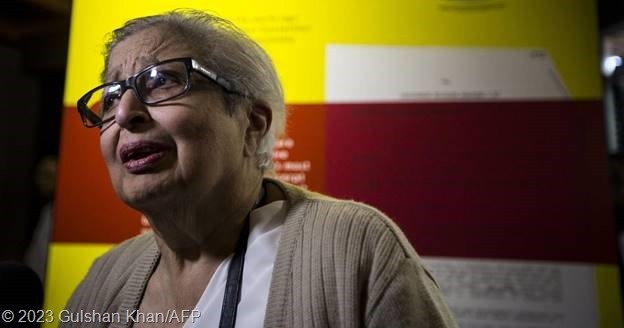
The African National Congress leader became the first democratic speaker in the country’s National Assembly in 1994. Frene Ginwala, feisty feminist, astute political tactician and committed cadre of...
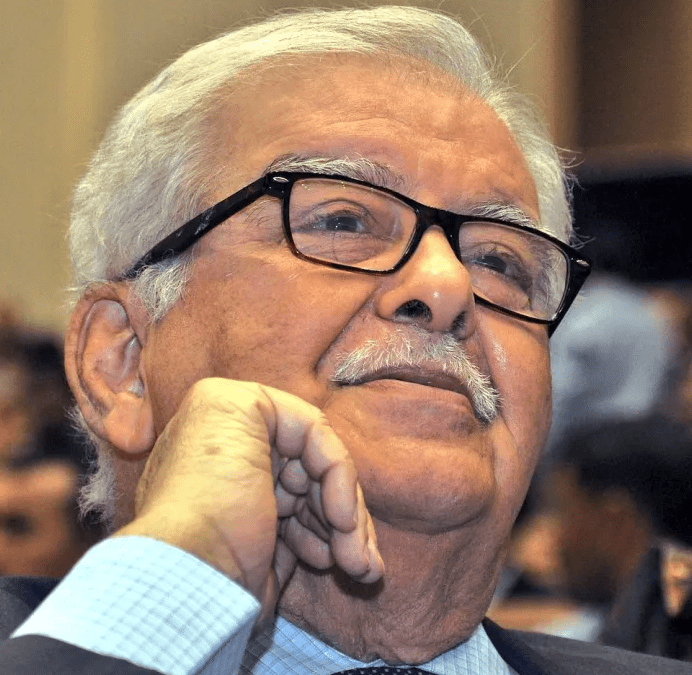
Ex-Tata Steel MD was a big supporter of adventure, Everester Bachendri will remain indebted to the great industry manMail News ServiceJamshedpur, November 6: Dr Jamshed. J. Irani was not only an...
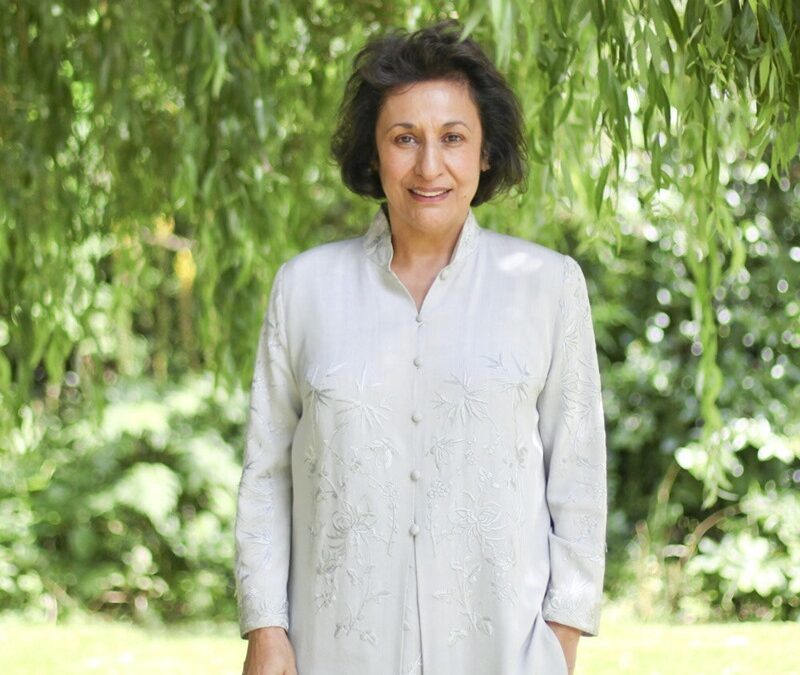
AN award-winning human rights campaigner who lives in the Forest says it is “a great honour” to have been elected President of a worldwide religious organisation. Article by Jake Chown | The...
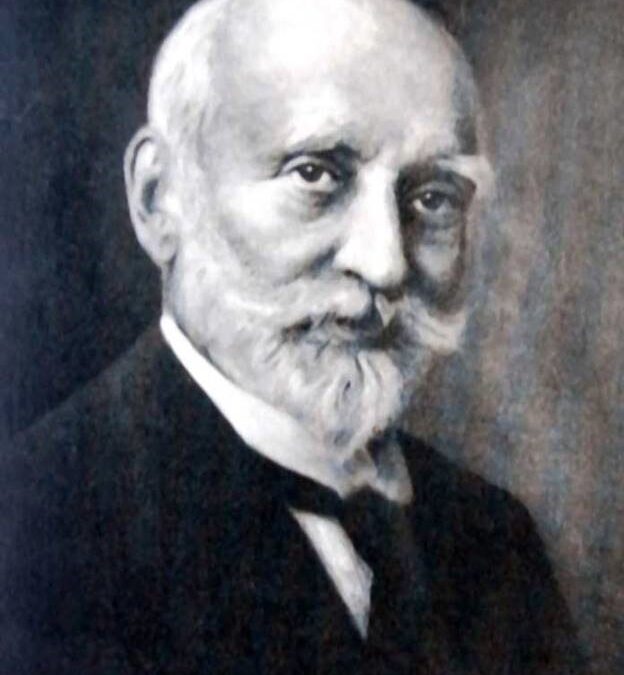
August 27 is Sir Dorabji Tata’s 163rd birth Birth Anniversary.Jamshedpur, Aug 26: Sir Dorabji Tata was the elder son of Jamsetji Nusserwanji Tata and Hirabai Tata. He was born on August 27, 1859, in...
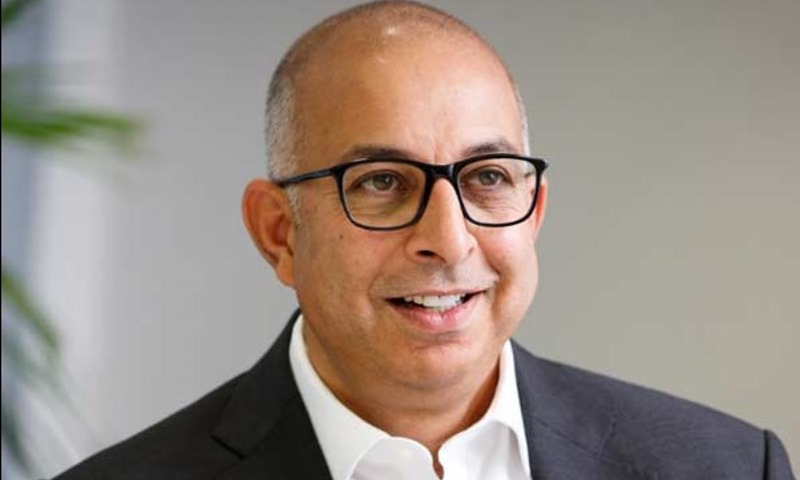
We are thrilled to learn that Ron Kalifa has has been Knighted in Her Majesty’s Platinum Jubilee Honours List for services to the financial services industry. Sir Rohinton Minoo "Ron" Kalifa OBE is...
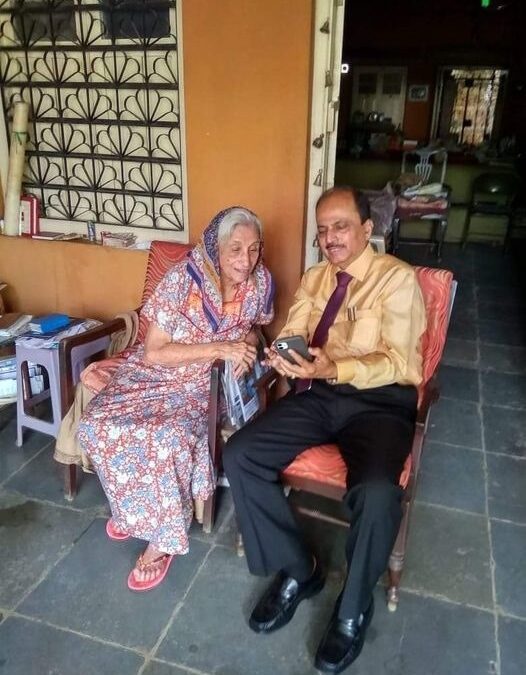
An obituary on a low profile, Parsi doctor, who served the needy.In the passing away of Dr Putla M Lentin at the ripe old age of 94 on Monday, Hyderabad has lost one more ‘Gem’ of a medical teacher...
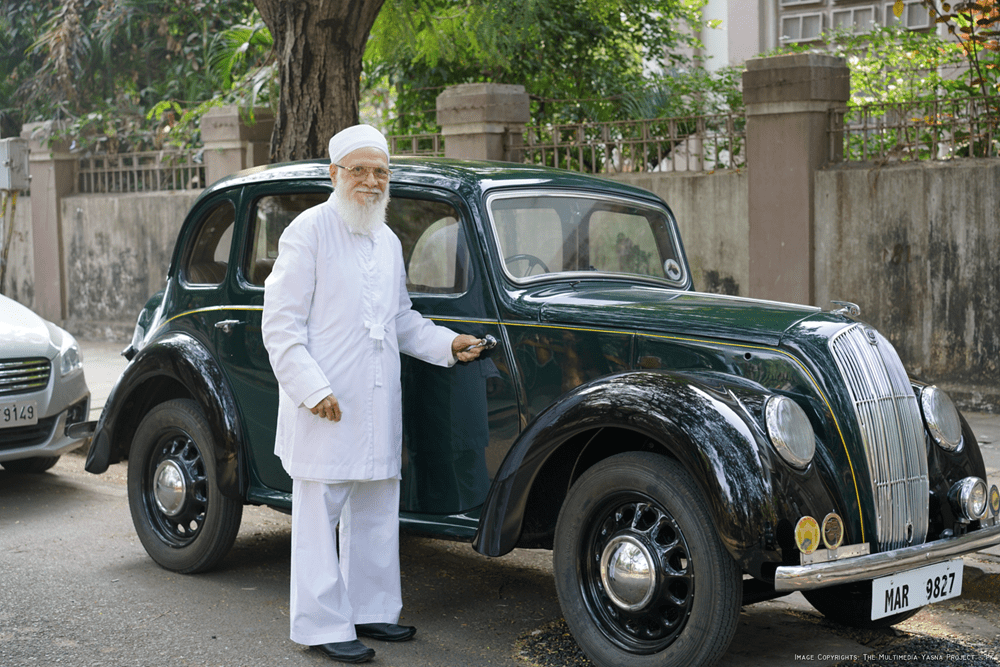
Our dear friend and eminent Zoroastrian scholar Professor Almut Hintze shares the below writeup and photographs.With great sadness we share the notice that Ervad Asphandiar Dadachanji passed away on...
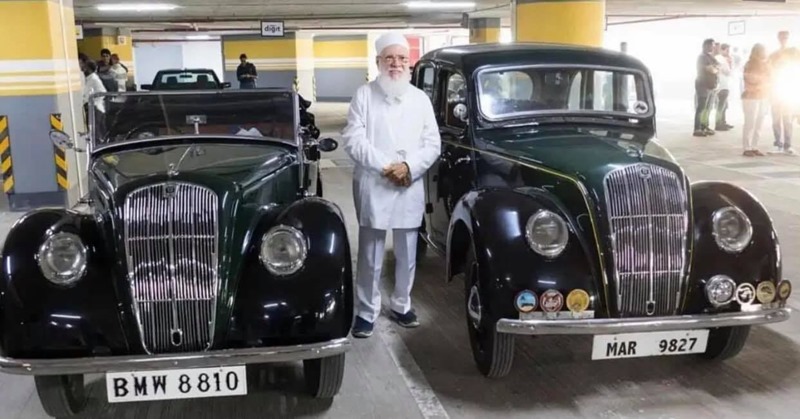
It is with great sadness we share the news that Ervad Asphandiar Dadachanji passed away at 8:30 AM India Time on Friday October 22nd, 2021. Ervad Dadachanji was a legendary figure for his immense...
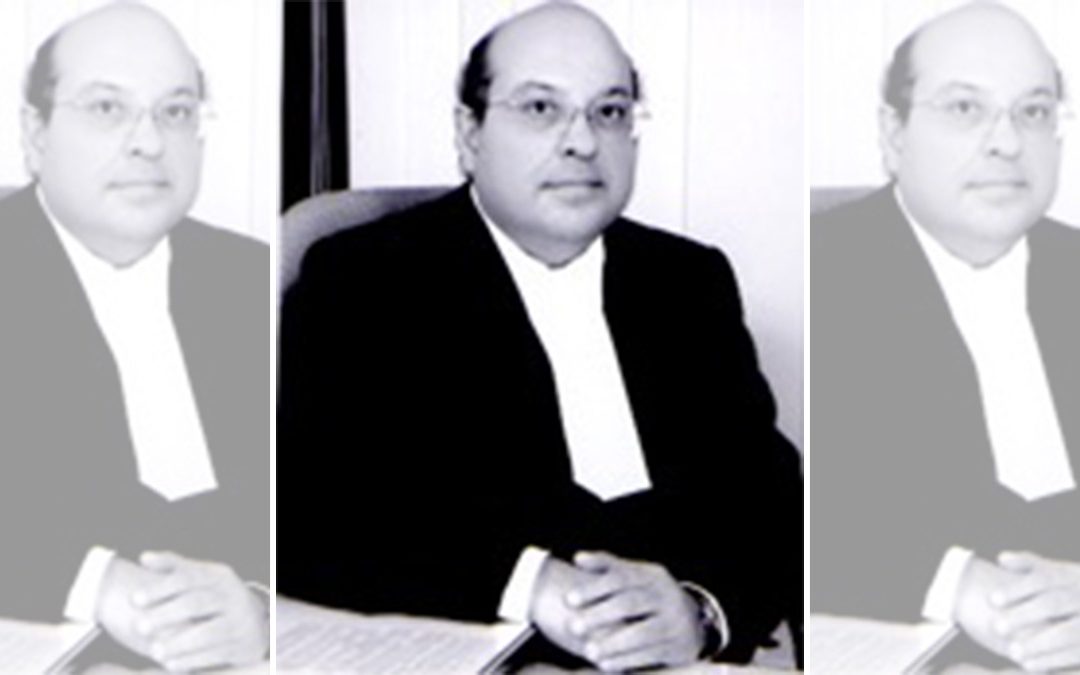
Justice Nariman, who has authored several notable judgments, some of which were written while he was a junior judge, ends his tenure on 12 August. Justice Rohinton Nariman is in select company — he...
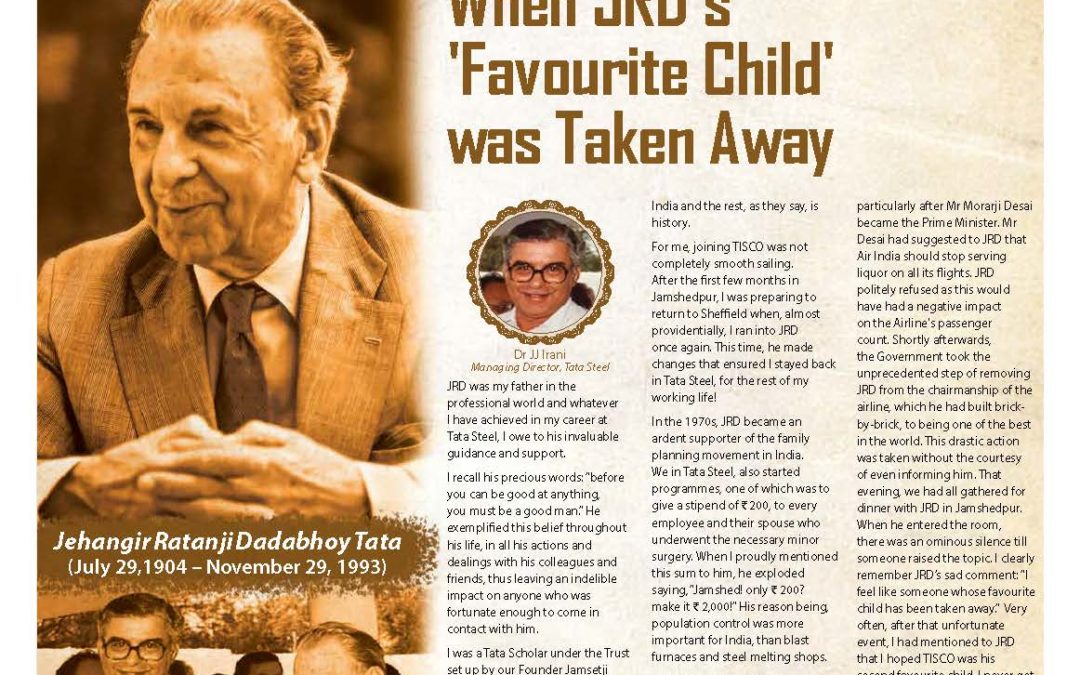
The Tata Steel Times has a special publication dedicated to J R D Tata. You can also download the issue as a PDF file
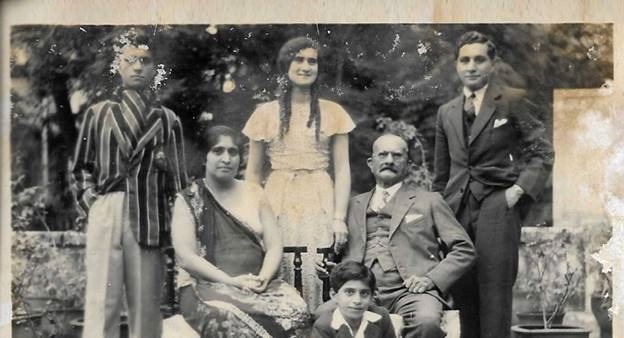
For many Indian women, the 1930s was a fundamental time, particularly in the political domain with their increasing participation in Independence movements. The advent of the Art Deco style...
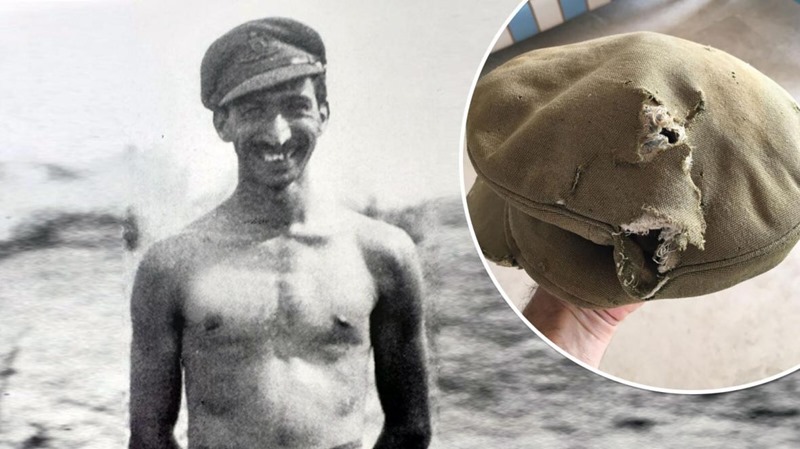
Brigadier Furdoon "Duck" Mehta, the Royal Indian Artillery officer who survived a bullet passing through his cap and later became military attache in Washington, has passed away on his 101st...
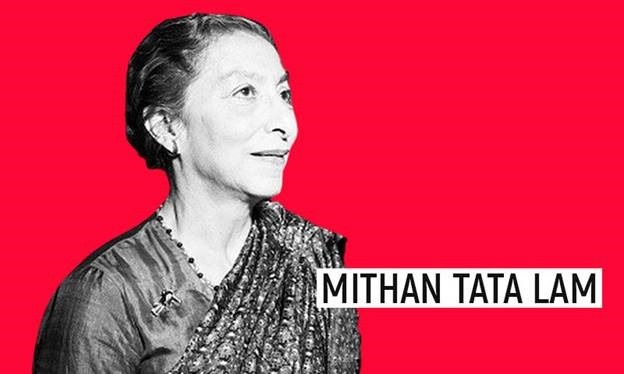
Women's Day Special: Remembering-The lady of the Law- Mithan Tata Lam There are few life stories as invigorating as that of Mithan Tata. Mithan Tata has the distinction of smashing the thickest of...
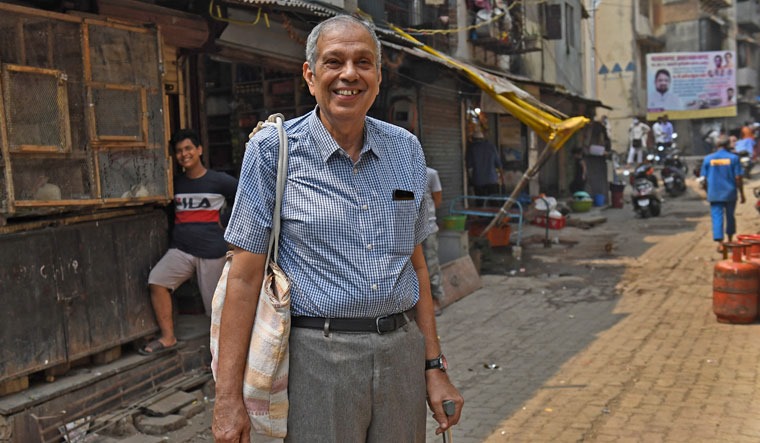
Past the Parsi hostel for women in Worli, through a narrow opening almost down a rabbit hole, lies the once-slum colony of Mayanagar. The birthplace of the Dalit Panthers in the 1970s has now been...
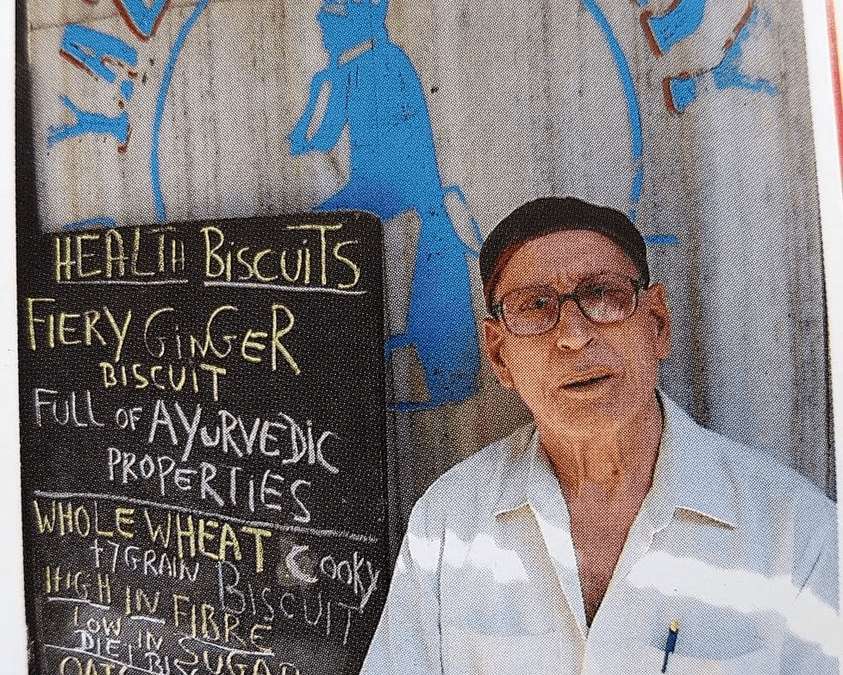
Here’s an entertaining story about Yazdani Bakery and Zend Meherwan Zend that was told to me by the blustery Irani baker who passed away on Sunday. He was my friend. And I knew him from when he was...
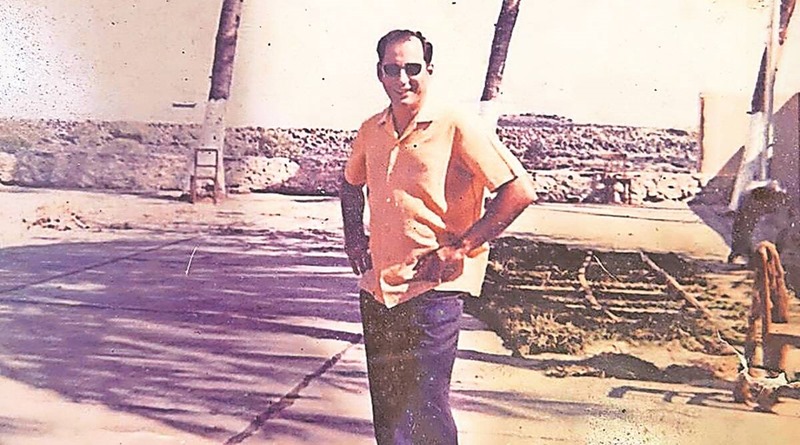
Food historian Kurush Dalal recalls Zend as the baker who wasn’t afraid to experiment and wished to give his customers quality products.Sitting behind the cash counter or instructing staff by the...

He once said there was a time when most Indians saw his style as ”too western” while westerners found that it was ”not Indian enough”.Contemporary Indian dancer Astad Deboo, renowned for marrying...
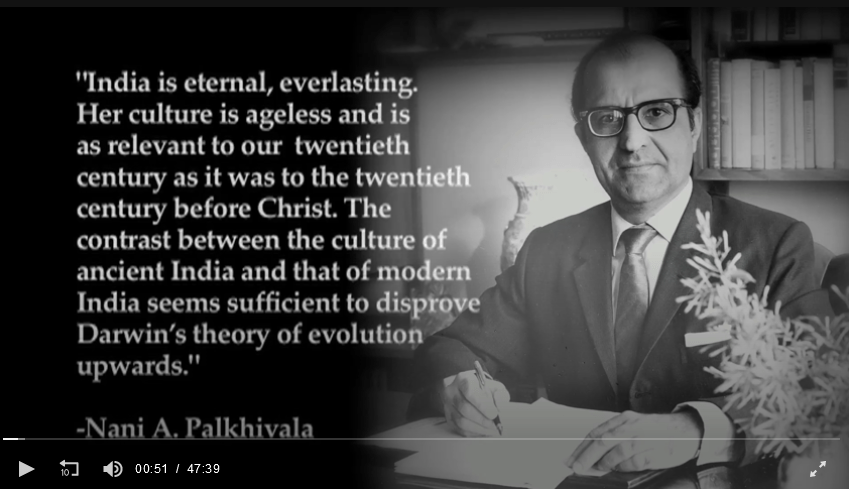
Nani - The CrusaderThe film introduces Nani to a generation who never knew him and provides an excellent account of the manifold contributions of this great son of India to the law, business and...
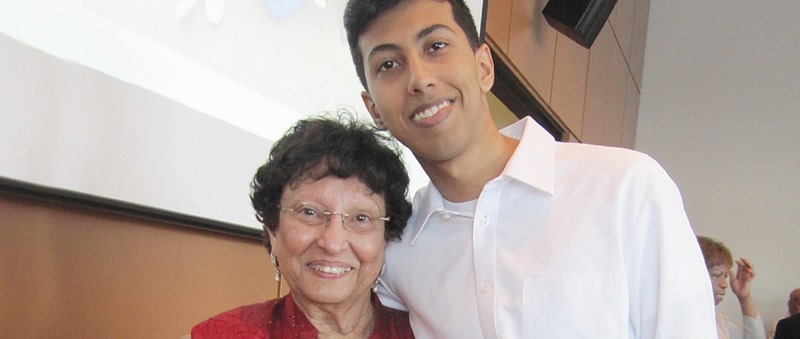
We are thrilled to share this article about our amazing friend, philosopher, mentor and guide Dr. Dolly Dastoor. Truly one of a kind. Dr. Dolly Dastoor’s contribution to the field of dementia care...
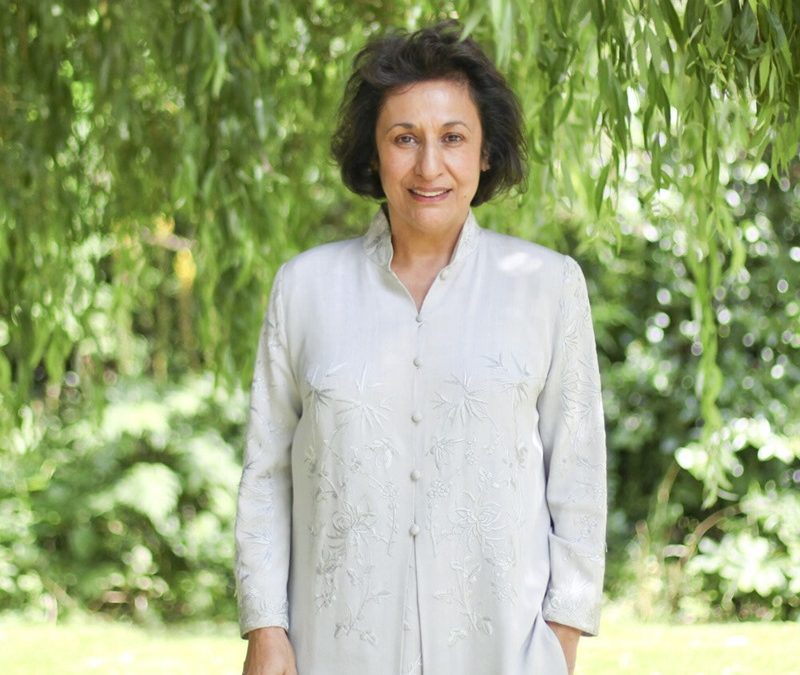
It was a toss-up between a Women’s Forum and a Global Zoroastrian Youth Leaders Forum. Something special was being planned for Zerbanoo Gifford’s 70th birthday on May 11 since the last one year....

The entrepreneurial world in India is filled with multitudes of people experimenting with new avenues, revamping the ones we already know and much more. However, very few entrepreneurs have aced the...
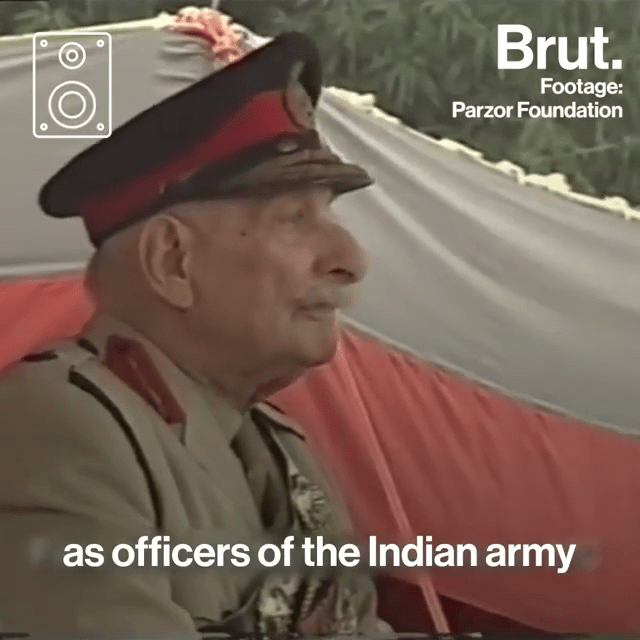
Parzor is delighted to see a new audience appreciate the great opportunity we had to record Sam’s world and life through his own words and those of his colleagues and contemporaries. The Field...
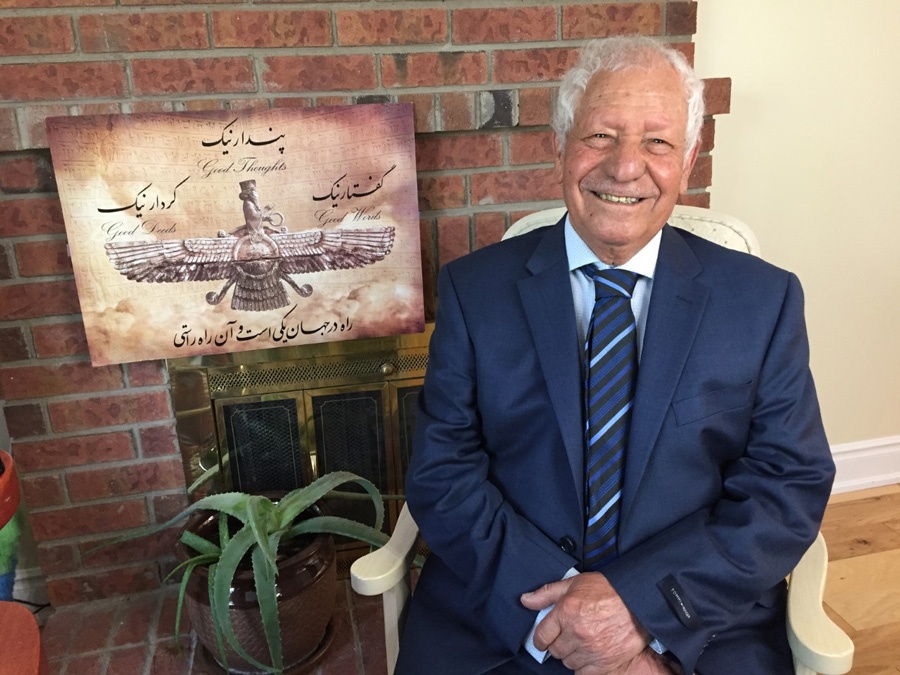
The Zoroastrian Society of Ontario via its newsletter informs us of the passing away of Jamshed Jam. Jamshed was a legendary figure in the Zarathushti community in Toronto. ZSO writes.... The...
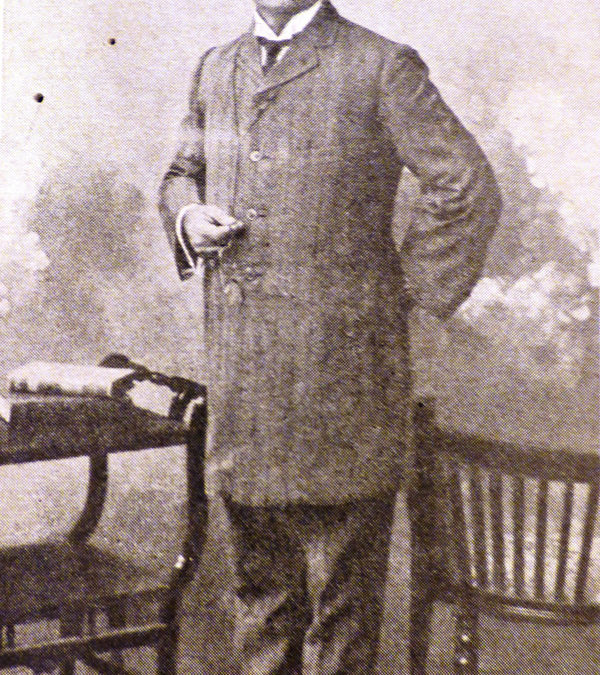
A tribute on his death centenary by Marzban Jamshedji Giara He was a self made and large hearted man, financier and business magnate. He was born at Bharuch on 30th April 1845 of poor parents. He...
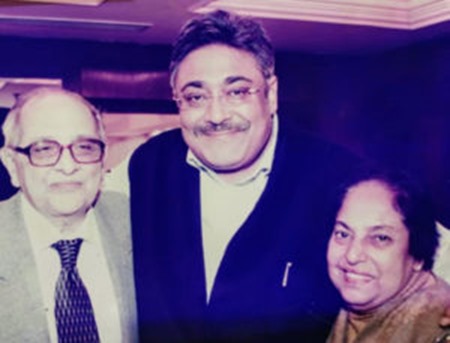
With the passing at 89 on Tuesday of Bapsi Nariman, née Contractor, wife of eminent jurist Fali Nariman and a fiercely independent lady in her own right, I have lost a mother figure and my daughters...
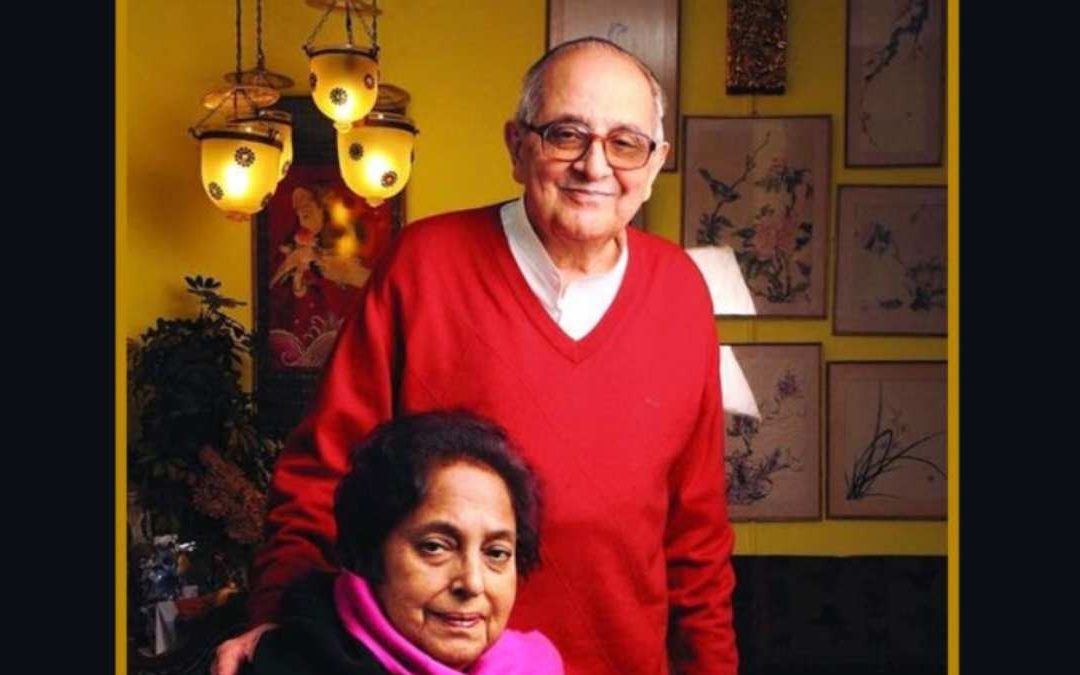
Fali was her universe and she was his. They were a couple where the whole was larger than the sum total of its parts. I think it was on the occasion of Fali’s ‘50 years at the Bar’ that Ashok Desai...
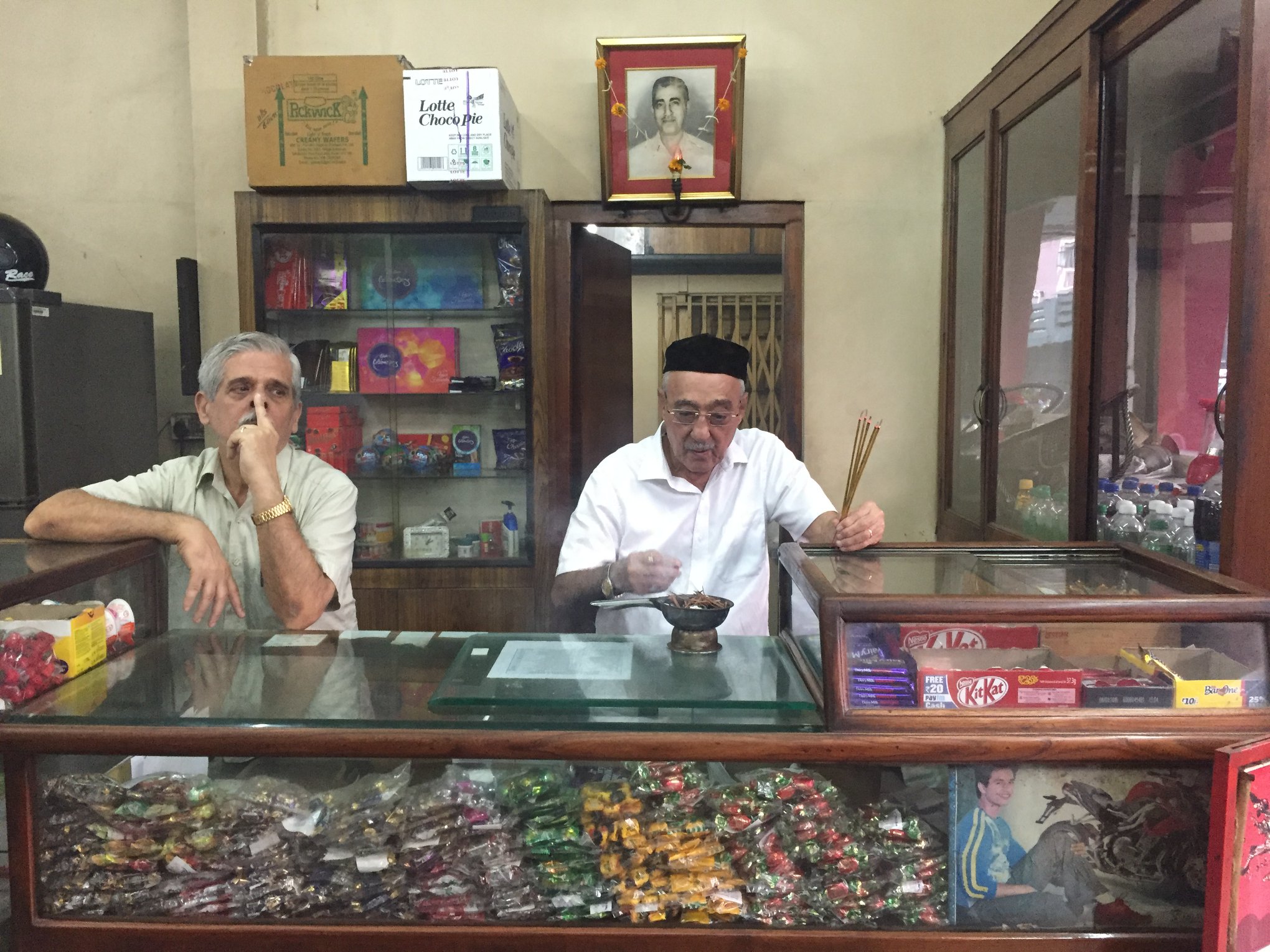
We are saddened to hear about the passing away of Darius Ferzandi, the owner of Byculla Restaurant And Bakery which closed down earlier this year. In a social media post Bombaywalla Historical Works...
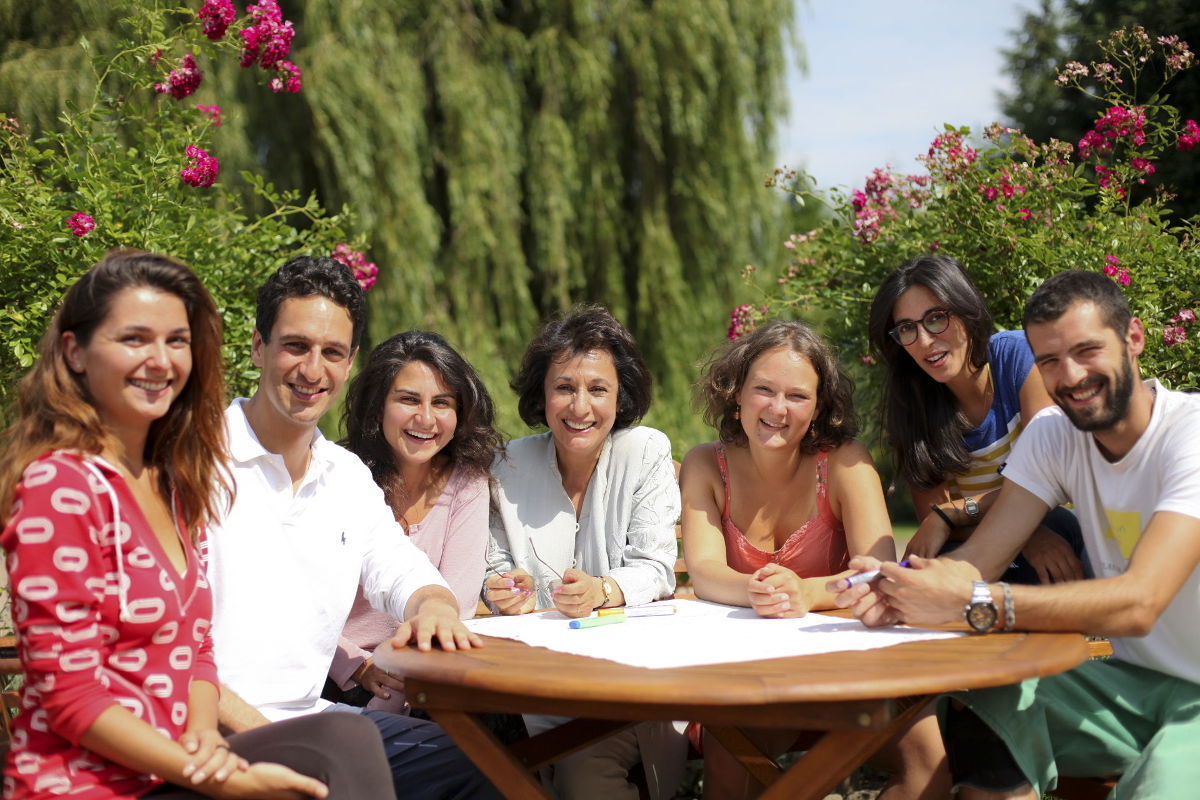
Today, a very dear friend, philosopher, guide and mentor Zerbanoo Gifford turns 70. In a small intimate gathering at the beautiful ASHA Center in the Forest of Dean, Zerbanoo's life was celebrated...
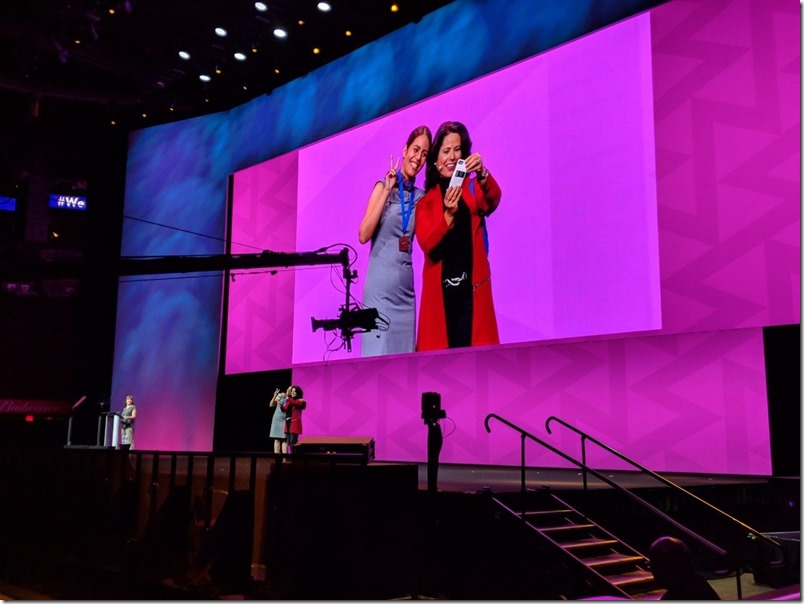
Negin Forouzesh, a doctoral candidate in the computer science department in the College of Engineering, has been honored as a 2020 Graduate Student of the Year for her excellence in research,...
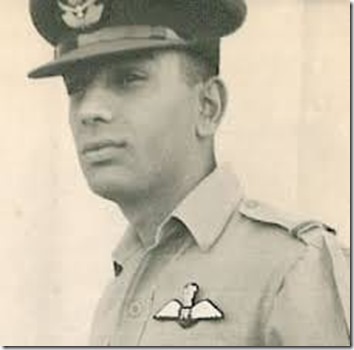
This post is dedicated to Flight Lieutenant Parvez Rustom Jamasji, Vir Chakra, for his services in the Bangladesh Liberation war—the man carrying the Phantoms of Chittagong into hell and back! The...
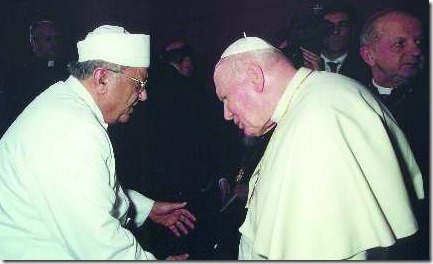
Malcolm Deboo, President of ZTFE informs us….It is with great sadness that we inform you that our beloved Honorary Life Member & Trustee Ervad Rustom KaiKhusroo Bhedwar, passed away at Northwick...
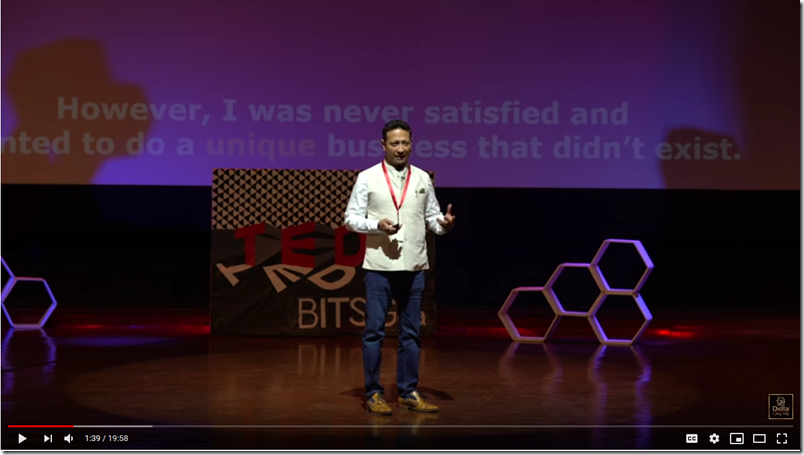
Our dear friend, mentor and entrepreneur extraordinaire Jimmy Mistry recently gave a TEDx talk that is an inspiration for Zarathushti youth today. The hope is that his talk will motivate Parsi youth...
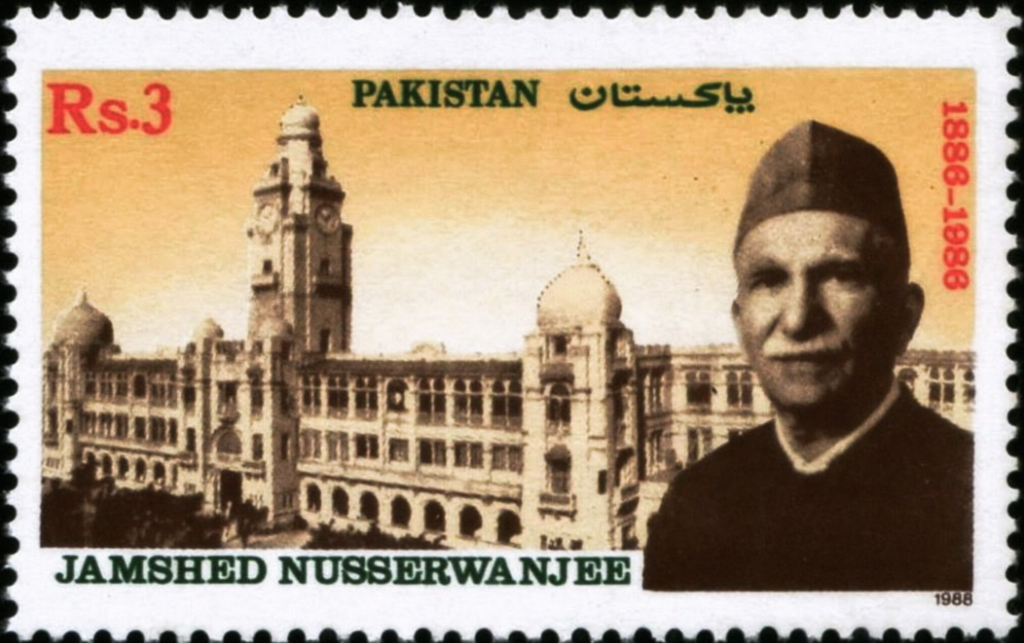
Celebrating the 134th birth anniversary of Jamshed Nusserwanjee (1886-1952), a philanthropist and the first elected mayor of Karachi, speakers at a gathering on Sunday stressed the dire need to...
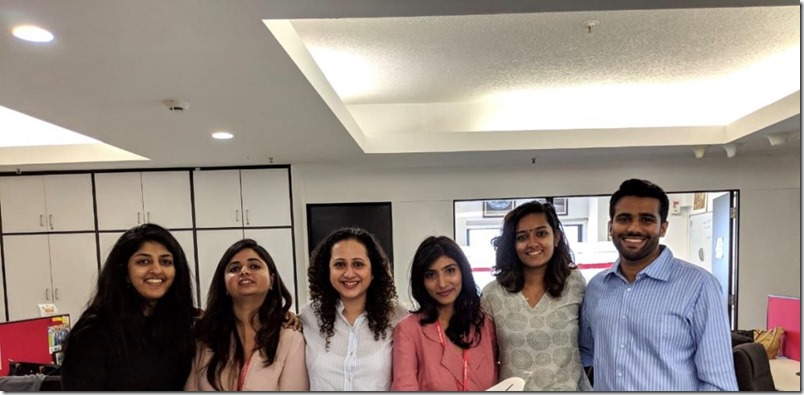
Our dear friend Shireen Mistree was recently featured on SHORTLIST. Read her interview below.“Culture isn’t just one aspect of the game – it is the game. In the end, an organization is nothing more...
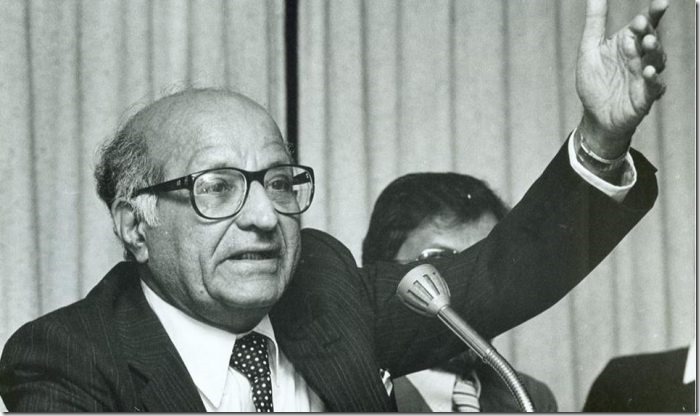
Due to sensational events that seem to happen almost daily these days, we tend to forget legendary personalities. One of them was Nani Palkhivala, whose 100th birthday was on Thursday, January 16....
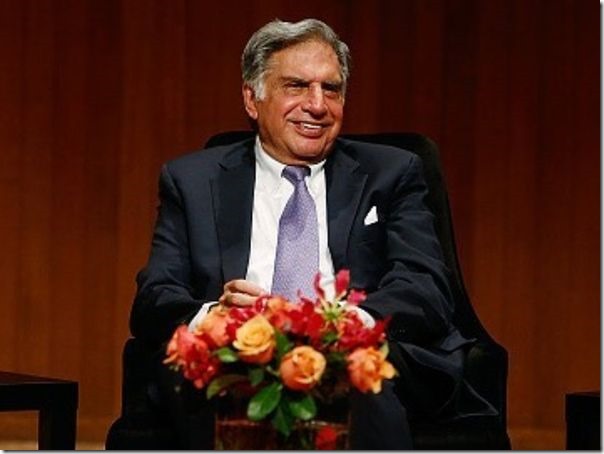
Tata Trusts chairman Ratan Tata is one of the most respected industrialists not just in India but internationally. The notable industrialist is the recipient of two of the highest civilian awards –...
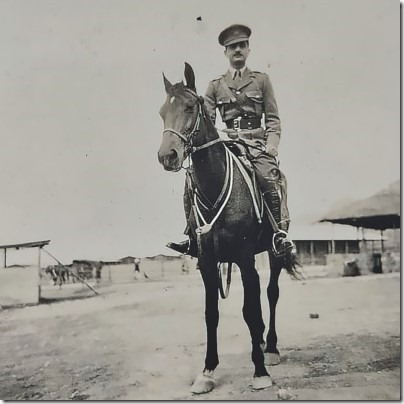
Lt Jamshed Manekshaw (standing left on the second row) on the Burma Front during WWII. The world knows late Field Marshal Sam Manekshaw as the man who, as the chief of the Indian army in the 1971...
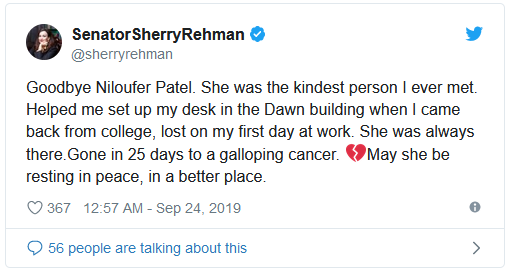
Niloufer Cyrus Patel, wife of Cyrus Minocher Patel, passed away on Tuesday. She served as the Director Circulation at Dawn, and among her many achievements, was the focal person leading the success...
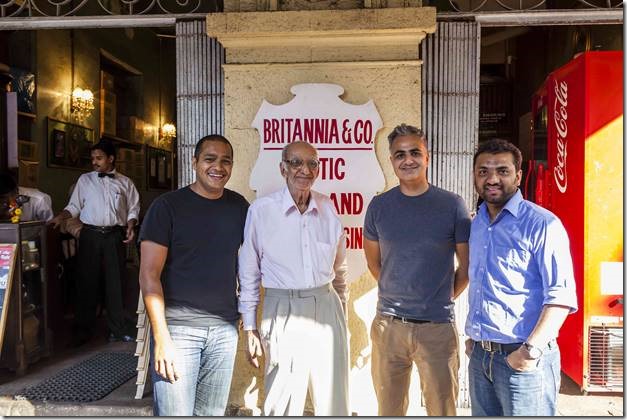
RIP Boman Kohinoor: Mumbai’s famed Britannia restaurant loses its beloved diamond Mumbai’s popular restaurateur, Boman Kohinoor, the co-owner of Iranian-Parsi cafe Britannia & Co at Ballard...