
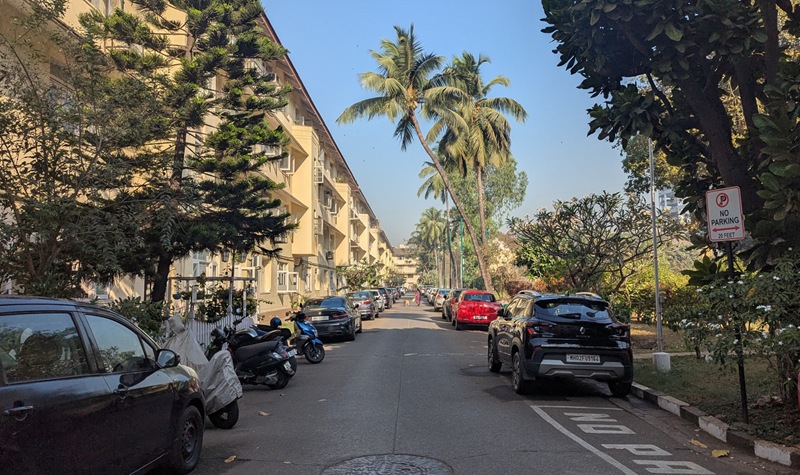
Mumbai’s Parsi housing community is engaged in an important conversation on a matter that touches many families across Bombay Parsi Punchayet baugs and colonies: the proposed conversion of certain leave-and-licence arrangements into tenancy rights.
The issue, long discussed within the community, has returned to public attention after the BPP Board reportedly cleared a process allowing eligible long-standing leave-and-licence residents to apply for conversion to tenancy. For many families, the proposal represents a path toward greater housing security and dignity. For others within the Trust’s leadership, it is a decision that requires careful documentation, legal clarity and a transparent framework.
At its heart, this is not merely an administrative matter. It is about how the community balances compassion for residents with the responsibility of protecting and stewarding valuable community assets for future generations.
What Has Been Proposed
According to public statements and newspaper reports, the BPP has not proposed an automatic or blanket conversion of all leave-and-licence residents into tenants. Rather, the process appears to allow eligible licensees who were allotted flats without paying a deposit to apply for conversion into tenancy.
Each application would reportedly be considered by the BPP Board on its own merits. The stated eligibility conditions include that the applicant should be a Parsi family, should not fall within categories restricted by the Trust’s housing criteria, and should not have a history of litigation against the Punchayet.
BPP Chairman Viraf Mehta has explained that the Trust would not charge residents a conversion fee beyond mandatory stamp duty and regulatory charges. He has also stated that families who had applied when the policy was first taken up in 2022 would not have to begin the process again, and that fresh applications would also be accepted.
A Step Toward Security for Residents
Supporters of the proposal see it as a meaningful step for families who have lived for years, and in some cases generations, under leave-and-licence arrangements. A leave-and-licence agreement gives the licensor greater control over renewal and continuation of occupation, while tenancy provides stronger legal protection and a greater sense of permanence.
For many residents, this distinction is not merely legal. It affects their sense of belonging, stability and peace of mind. Families who have built their lives in BPP baugs may feel that tenancy better reflects the reality of their long-standing connection to their homes and neighbourhoods.
Chairman Viraf Mehta has presented the decision as a long-awaited fulfilment of a promise made to residents. He has argued that many families living in identical colonies and buildings should not remain on unequal footing simply because some are tenants while others continue as licensees.
He has also emphasized that the move is intended to protect residents from uncertainty, not to create financial benefit at the cost of the Trust.
Safeguards Being Discussed
A key part of the proposal appears to be the inclusion of safeguards. These reportedly include a five-year lock-in period during which the tenancy cannot be encashed, and thereafter a cap of around 20 percent of the value in the event of surrender.
The stated intention behind these safeguards is to ensure that conversion does not become a windfall or commercial opportunity, while still giving families security of residence. The Trust would continue to retain ownership of the property, and additional covenants may be included to preserve the Parsi-only character of the baugs and colonies.
These safeguards are important because they attempt to address both sides of the issue: the resident’s need for security and the Trust’s duty to preserve community assets.
Concerns Raised Within the Board
Trustees Anahita Desai, Hoshang Jal and Adil Malia have publicly expressed concerns about the proposal. They have clarified that they are not opposed in principle to converting leave-and-licence arrangements into tenancies. Their concern is that a decision of this scale should be supported by a full written proposal, expert advice and clear responses to questions previously raised.
Their statement has called for greater clarity on legal, financial, taxation, charity law and asset-protection implications. They have also asked why only a particular category of licensees is being considered first, and whether a broader uniform policy should be prepared for all eligible residents.
Their position reflects an important aspect of trusteeship: ensuring that major decisions are carefully studied, transparent and equitable. In that sense, their concerns can be seen as part of the larger process of strengthening governance and building confidence in the final policy.
Timing and Continuity
Some of the public discussion has focused on the timing of the decision, especially with BPP elections expected in the future. Those raising concerns have asked whether such a significant matter should be advanced only after fuller deliberation.
Chairman Mehta, however, has stated that this is not a new proposal but the continuation of a process first taken up in 2022. According to him, several families had already applied earlier, and the current step is an effort to revive and complete what was previously begun.
Both perspectives point to the same underlying need: a clear public record of what was decided, when it was decided, and how the policy will now be implemented.
Why This Matters to the Community
BPP housing occupies a special place in Parsi communal life. The baugs are not merely buildings; they are neighbourhoods, cultural spaces and intergenerational homes. Decisions about tenancy, succession, eligibility and asset protection therefore carry emotional, legal and communal significance.
For residents, housing security can mean dignity, continuity and freedom from anxiety. For the Trust, careful stewardship means ensuring that the properties remain protected, sustainable and available for community purposes in the long term.
The present conversation is therefore not about choosing one value over the other. It is about finding a wise balance between both.
The Path Forward
The most constructive way forward may be for the BPP to publish a clear written framework explaining the proposal in simple terms. Such a framework could answer key questions: Who is eligible? What documents are required? How will applications be evaluated? What safeguards will be included? What happens in cases involving deposits, litigation, arrears, succession, redevelopment or special family circumstances?
Independent legal and financial opinions, if obtained and summarized for the community, would also help build confidence. A public FAQ or community briefing could ensure that residents understand the process and that concerns are addressed calmly and transparently.
A Moment for Responsible Leadership
The leave-and-licence to tenancy proposal has the potential to bring relief to many families who have lived with uncertainty for years. It also offers the BPP an opportunity to demonstrate that compassion, transparency and responsible stewardship can go hand in hand.
The discussion now underway should be welcomed as part of a healthy community process. Trustees may differ on procedure or timing, but all sides have a shared responsibility: to protect the welfare of residents, preserve the Trust’s assets, and uphold the long-term interests of the Parsi community.
Handled with care, openness and goodwill, this issue can become more than a policy decision. It can become a moment of renewed trust between the Punchayet and the families it serves.


