
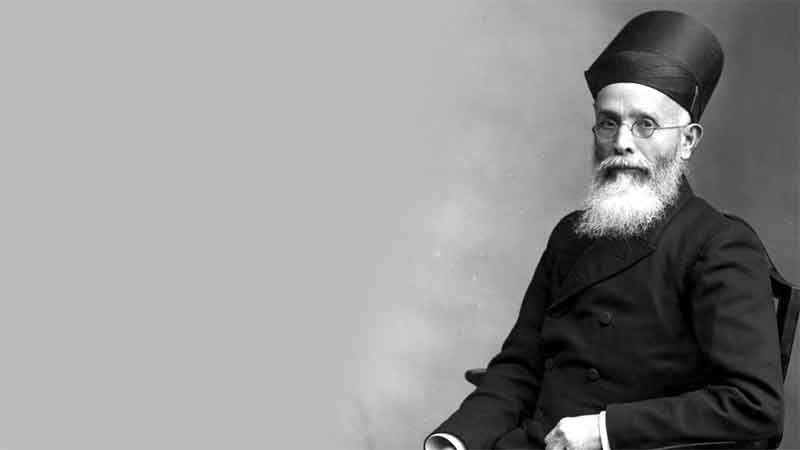
Today September 4th, 2025 is the 200th birth anniversary of one of the greatest Indian’s ever to be born. Our dear friend and mentor Zerbanoo Gifford commemorates the birth and life of Dadabhai Naoroji on this momentous occassion
Article By Zerbanoo Gifford
A Hero Worthy of Awe
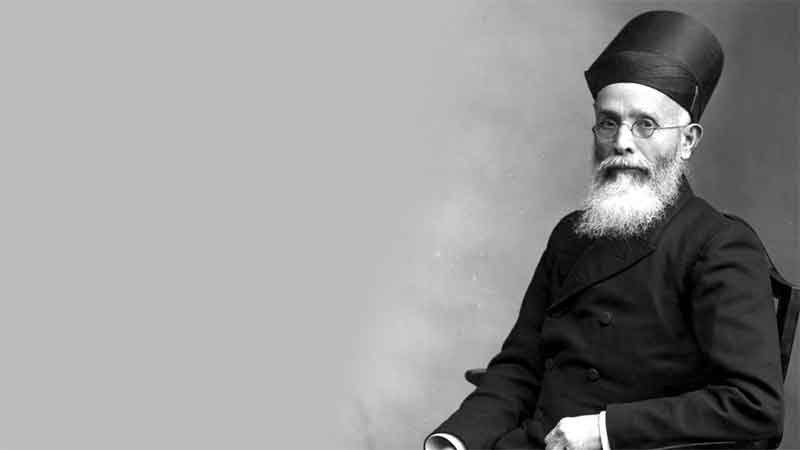
I’m often asked who my hero is. I don’t believe in hero worship, but one person stands apart—Dadabhai Naoroji (1825–1917). His courage, noble qualities, and outstanding achievements leave me in awe.
Naoroji became Britain’s first Asian MP in 1892 when he won the seat of Finsbury Central—by just a handful of votes. His razor-thin victory earned him the nickname “Mr. Narrow Majority.” Yet, for decades, he remained one of British politics’ best-kept secrets.
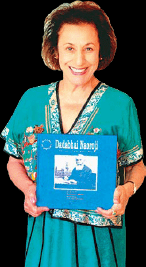
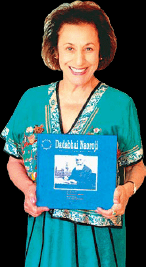
When I was elected in Harrow in 1982, as the first Liberal Party woman politician, I had no idea I was walking in the footsteps of my Zoroastrian patriot. It was only later, when I co-chaired his centenary celebrations in 1992 and wrote a book on his life, that I fully realised his greatness.
A Feminist Before His Time
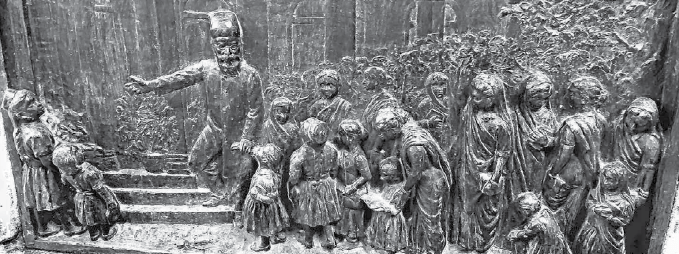
Naoroji’s politics resonated deeply with me. He was determined to represent people and be a catalyst for lasting change. He fought for female education—teaching girls in their homes to lead by example—and became a champion of women’s suffrage.
During his 1892 campaign, suffragettes worked alongside him, even though they themselves did not yet have the vote. They recognised Naoroji as a true feminist ally.
An Internationalist and Visionary
Naoroji connected his politics to global struggles. He condemned racism and apartheid in South Africa, called for the abolition of the unelected House of Lords, and advocated for a united Ireland.
Known as the “Grand Old Man of India,” he refused British honours at a time when the Empire thrived on exploitation. He was far ahead of his time—courageous, visionary, and unafraid to speak truth to power.
Quiet Celebration, Deep Gratitude
For his centenary in 1992, I helped organise major events in London: the opening of the Nehru Centre, the launch of my book on Naoroji by Nani Palkhivala, a gala dinner at the House of Commons with Sohrab Godrej and the Maharana of Udaipur, and a glittering function at the Ismaili Centre hosted by the Aga Khan.
But for his bicentenary this September 4, I will mark the day quietly—with gratitude and meditation for the inspirational hero who continues to guide us.
Roots and Resilience
Naoroji was born in the fishing village of Mandvi, near Mumbai. His father, a poor Parsi priest, died when Dadabhai was four, leaving his widowed mother, Manekbai, to raise him alone.
Naoroji often acknowledged her sacrifice, writing:
“She made me what I was. Although illiterate, she was wise… she helped me with all her heart in my work for female education and social reforms.”
He was engaged at 11 to seven-year-old Gulbai, as was customary, but later campaigned against child marriage—another example of his progressive vision.
A brilliant student at Elphinstone College, Naoroji declined an offer to study law in England, fearing missionary influence. Instead, he became the first Indian Professor of Mathematics, a milestone he cherished among his many “firsts.”
He founded the newspaper Rast Goftar (Truth Teller), promoting reforms such as female education and widow remarriage, challenging the prejudices of his time.
Firsts in England
In 1855, he travelled to England to work with the Cama family, but refused to participate in the lucrative opium trade. Integrity always guided his choices.
Academically, he soared—becoming the first Indian Professor at University College London, and later its life governor.
His crowning achievement came in 1892 when he became the first Asian elected to the British Parliament.
Legacy That Endures
Dadabhai Naoroji is, to me, the greatest Zoroastrian of modern times. His life was filled with firsts, but what shines brightest is his unwavering moral compass—his fight for justice, education, equality, and dignity.
Today, the WZO UK’s academic award in Naoroji’s memory ensures that his bicentenary is marked not by pomp but by meaningful investment in the future—a tribute he would have truly valued.
Closing Tribute
As I reflect on his bicentennial, I thank God for Naoroji’s life and legacy. He remains my enduring hero, reminding us that even one determined soul can transform history.


