
The Bombay Parsi Punchayet (BPP), the apex community institution representing the Parsi and Irani Zoroastrian interests in Mumbai, has sought exemptions on issues of adoption, live-in relationships and wedding ceremonies in the Uniform Civil Code being drafted for Maharashtra.
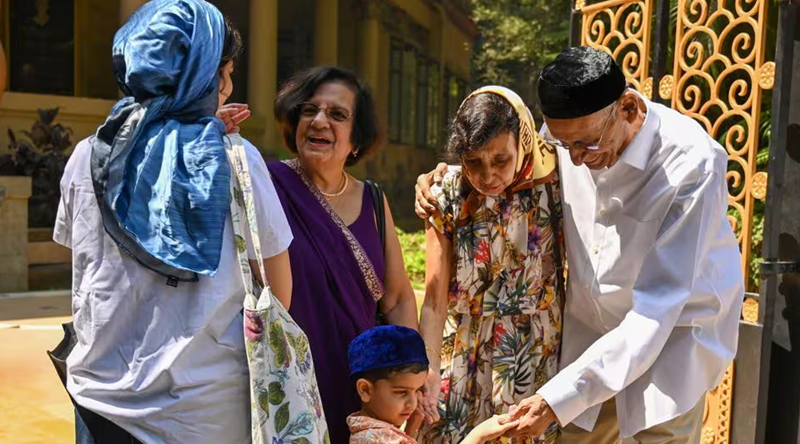
The Bombay Parsi Punchayet is batting for adoption within the Parsi community of Parsi child only and not permitting adoption from other communities into the Parsi community. (Pic for representation/HT)more
HT has learnt that the BPP has written to the drafting committee headed by retired Supreme Court judge Ranjana Desai, seeking these exemptions. “We are in concurrence with the UCC, except on certain points where we have sought exemptions. There is a lot of rumour-mongering that our community is not in favour of the UCC or is opposing it, which is not true. We have only asked the government for certain exceptions for the Parsis,” said a senior functionary of the BPP who did not want to be quoted.
At a public hearing in Mumbai over the weekend, the drafting committee heard objections and contentions placed by citizens about the UCC. The deadline for citizens to submits their queries and concerns on the UCC too has been extended until December 15. The drafting committee also clarified that its scope would focus on four key areas: Marriage which includes legal age, registration, marital rights and responsibilities. Divorce that includes legal procedure, grounds for divorce and the rights and protection of the parties concerned. The drafting committee is also looking at the issue of inheritance and succession, and fourthly the scope of live-in relationships—their legal rights, responsibilities and protections afforded to those in live-in relationships.
In its letter the BPP, acting on behalf of the small but influential community, has asked that the Parsis be exempted from being under the purview of the UCC on issues of adoption especially. The BPP is batting for adoption within the Parsi community of Parsi child only and not permitting adoption from other communities into the Parsi community.
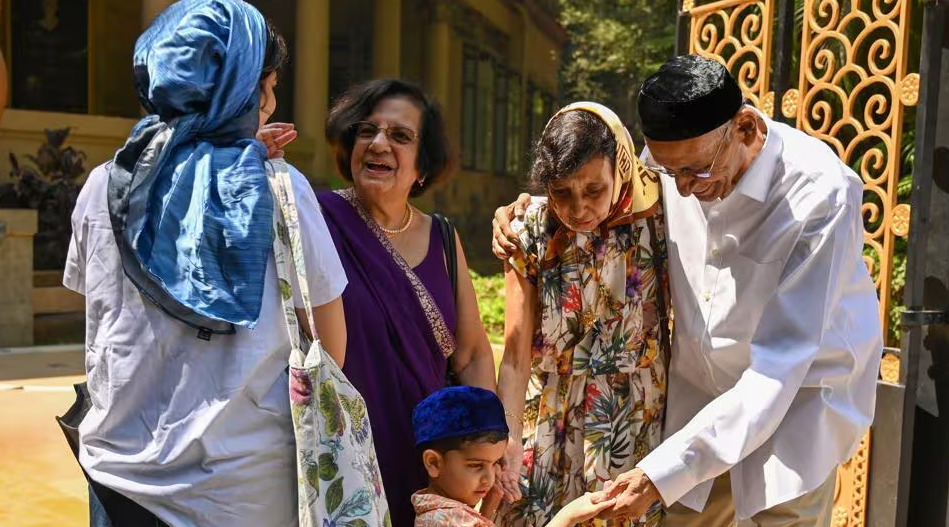
“More than anything else, adoption from other communities into the Parsi community is not allowed. We do not want any changes to the adoption laws applicable to Parsis. We are saying that a Parsi child should be allowed to be adopted by a Parsi family. That is the main exemption we want for our community,” said the BPP official.
Adoption has a distinct legal dimension for Parsis. Unlike Hindus, Buddhists, Jains and Sikhs, who are governed by the Hindu Adoption and Maintenance Act, 1956, Parsis do not have a separate personal law providing for full legal adoption. The community has traditionally followed customary practices such as Palak or Dharamputra, primarily for religious purposes.
In addition, the Punchayet flagged concerns over the proposed recognition of live-in relationships, particularly when one partner belongs to the Parsi community and the other does not. “It is a matter of some concern for us because it could give a form of recognition to people from outside the community who are in live-in relationships with Parsis. We are concerned about how this would pan out for the community,” said the BPP official. Regarding marriage recognition, the community wants its traditional religious ceremony, which it considers essential to the sanctity of marriage, to retain its significance, and does not want a civil marriage certificate to be treated as an acceptable substitute.
“We do not want a civil marriage certificate to be recognised as proof of marriage,” the official said. At the same time, they added that the community was reassured by its understanding that the proposed framework focused more on individual rights than on regulating religious practices.


