

Pheroza Godrej, co-curator of the Framji Dadabhoy Alpaiwalla Museum, gives AD a special tour of the Parsi Museum in Mumbai.
Recently restored with great discernment, the Framji Dadabhoy Alpaiwalla Museum, better known as the Parsi Museum, in Mumbai offers a glimpse into the heritage of the Parsis of India and Zoroastrians of Iran. Built with funds from the Parsi Panchayat and the Ministry of Culture, the museum’s treasures include cuneiform bricks and tablets from Babylon and Susa, dating back to 4,000–5,000 BCE, Dadabhai Naoroji’s table, antique Garas, porcelain and beads from Iran, and a replica of a fire temple—a discovery of an entire culture. Visitors can also trace the journey of the sacred Iranshah fire, the sacred flame worshipped by Parsis, from Khorasan in Iran to Udvada in Gujarat.
Article By Riddhi Doshi | Architectural Digest
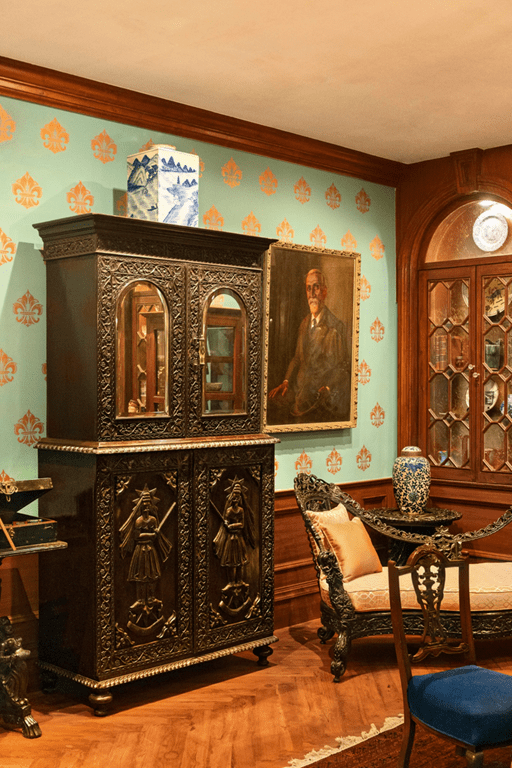
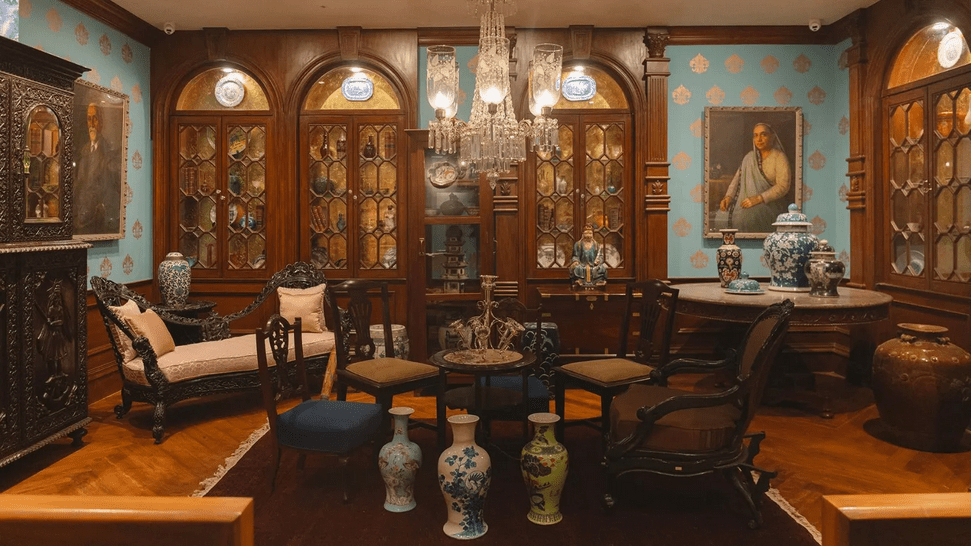
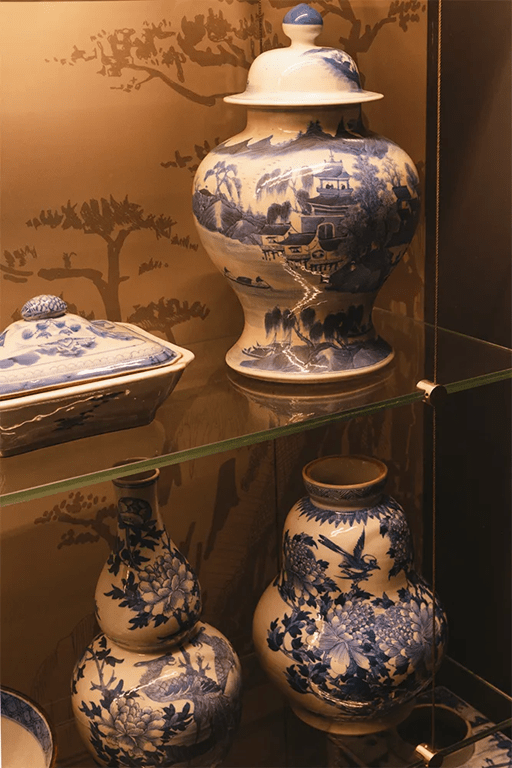
Inside a section of the museum that recreates an old Parsi home, with vintage furniture and porcelain. Parsi merchants trading in opium, silk, cotton and tea with China used porcelain as ballast to stabilise their ships. Once back in India, they sold the objects, which often ended up as home décor, or broken and reused as mosaic flooring.
Rahul Kizhakke Veettil
“I am very impressed with the pre-Zoroastrian period, especially the artefacts belonging to southwestern Iran from the 4th to the first millennium BCE,” says Pheroza Godrej, co-curator of the museum. She finds the terracotta cuneiform bricks and tablets especially compelling. “These are like time capsules, such as our palaces and temples. They give us a glimpse into the society and the life of people around 2100 BCE. One of them even records the barley ration given to female workers.” The museum also has a replica of a typical home from Yazd, a historic city in central Iran.
Rahul Kizhakke Veettil
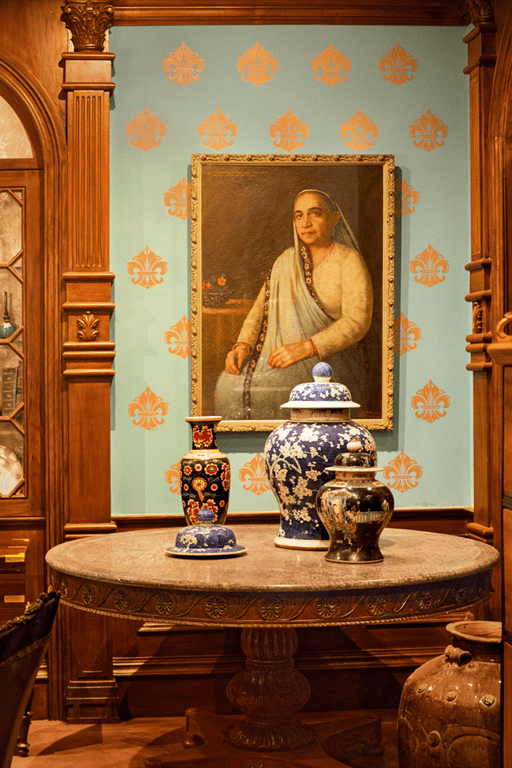
The museum itself has an interesting story. Bullion merchant and collector Framji Dadabhoy Alpaiwalla had amassed so many artefacts from the China trade that he eventually ran out of space in his 11-room house. “He himself slept in the kitchen,” notes Godrej. To house his collection, Alpaiwalla built the Parsi museum, which opened in 1952, a year after his death, under the governance of the Parsi Panchayat. Curation was entrusted to scholar-priest and archaeologist Jamshed Maneck Unvala, who worked with French teams in Susa, Iran, and brought back many antiquities. Over time, other Parsis also donated various objects. Now reopened, the museum offers a chance to rediscover the history of a community that has shaped Mumbai in profound ways.