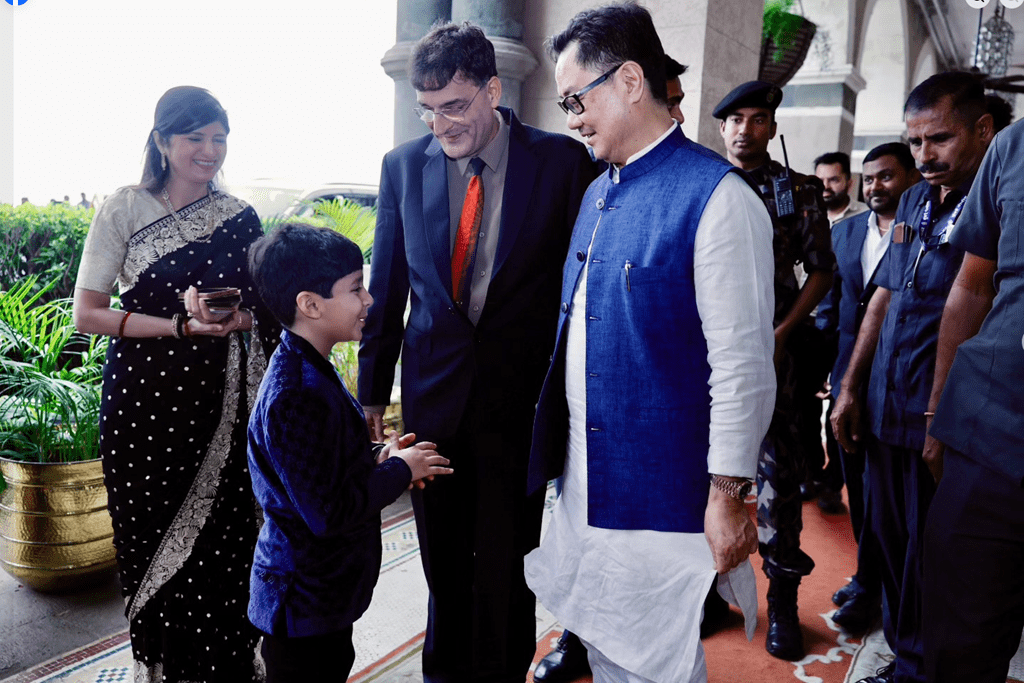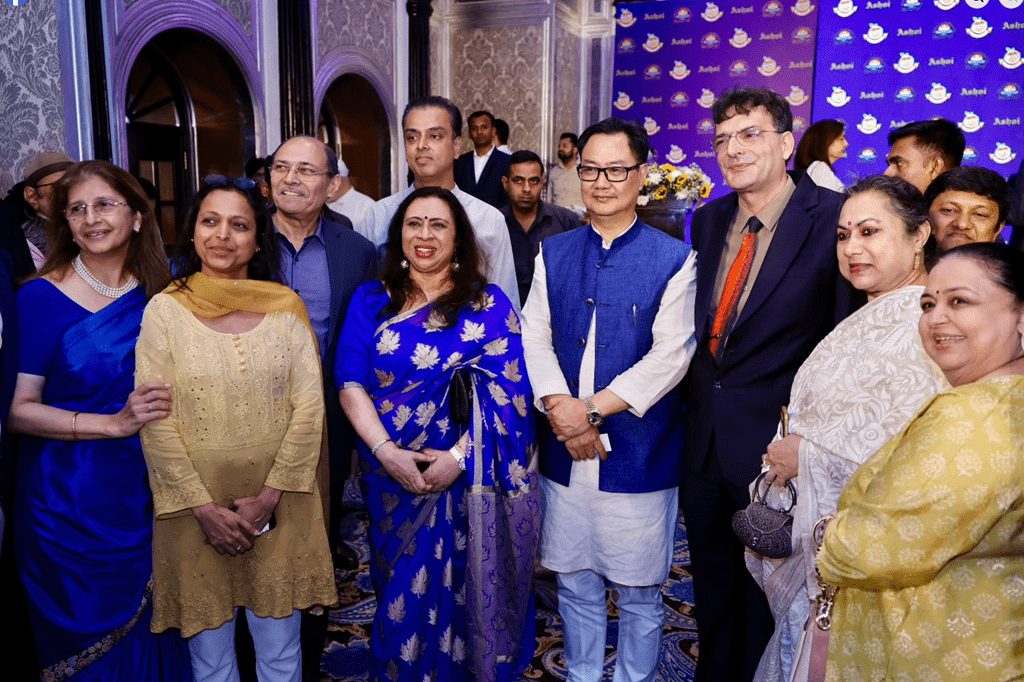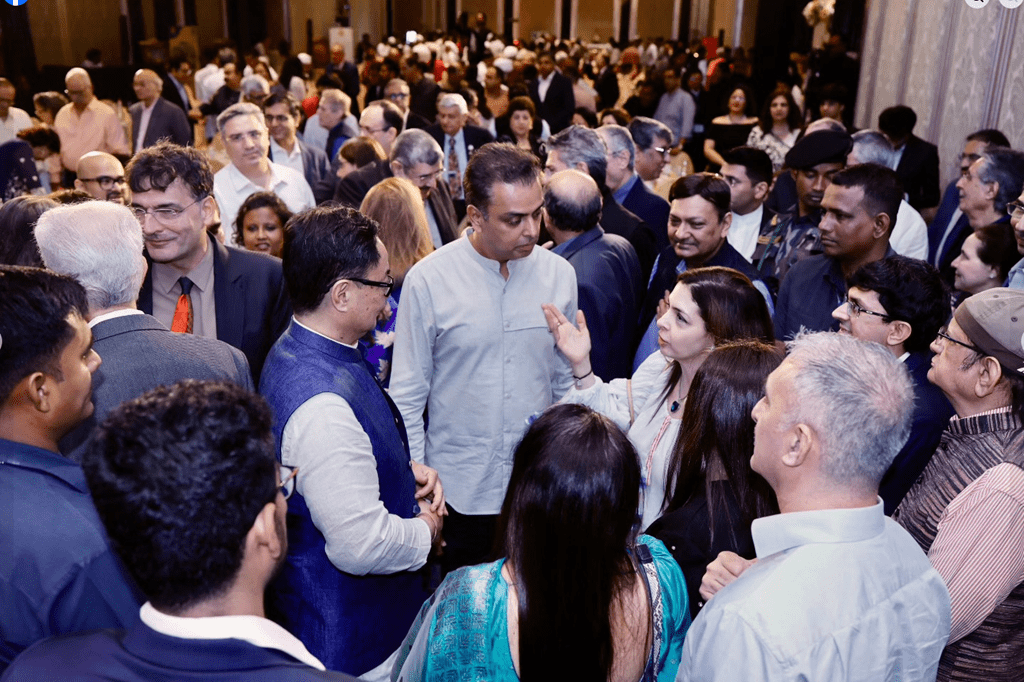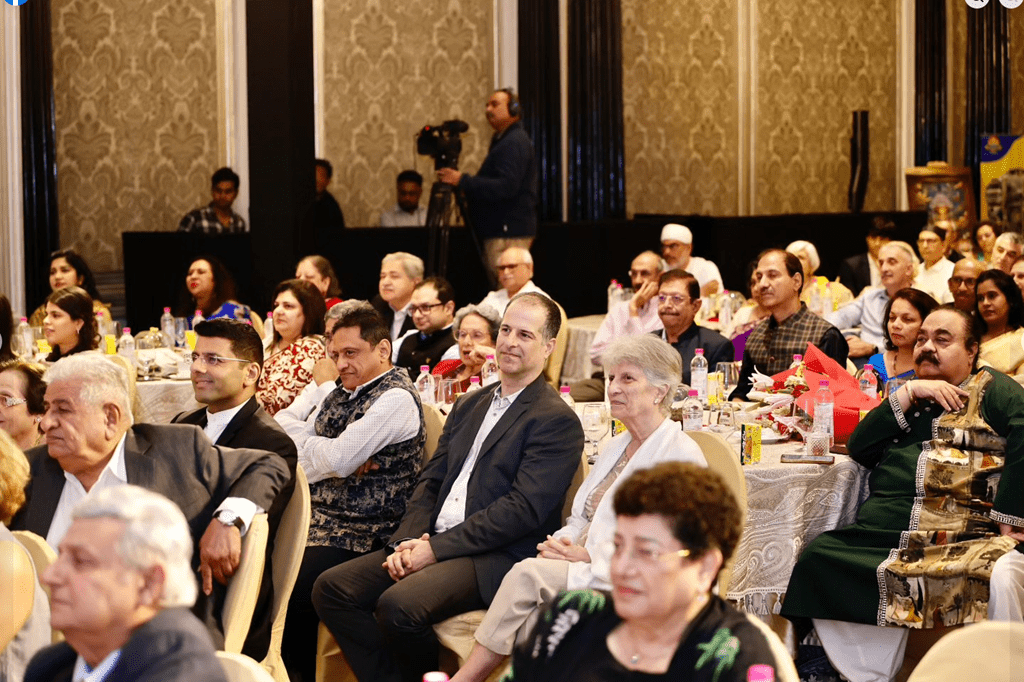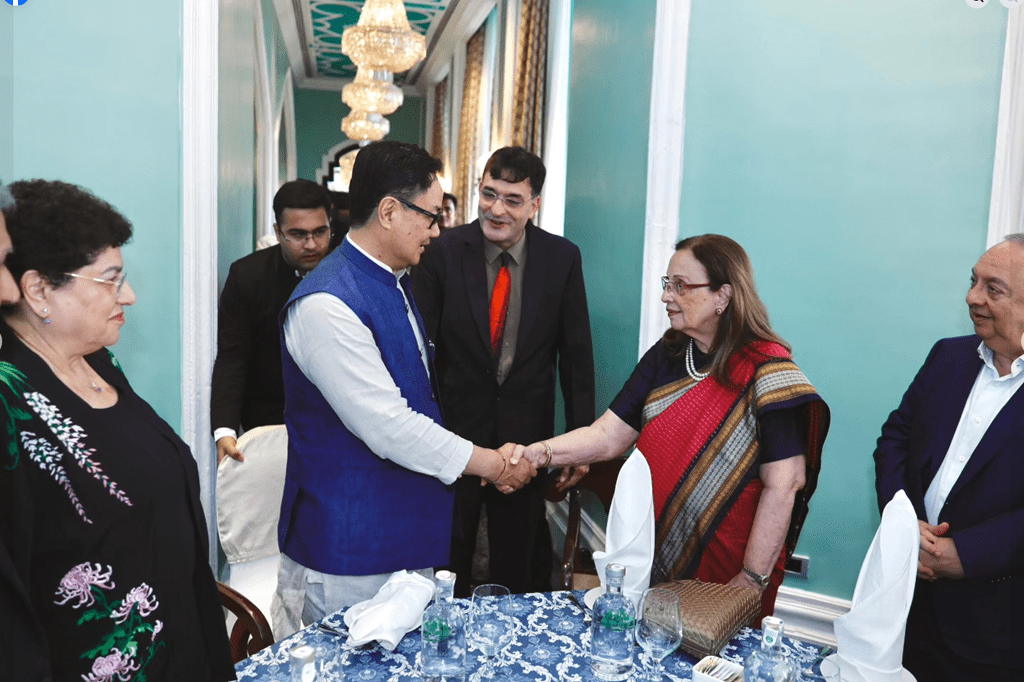
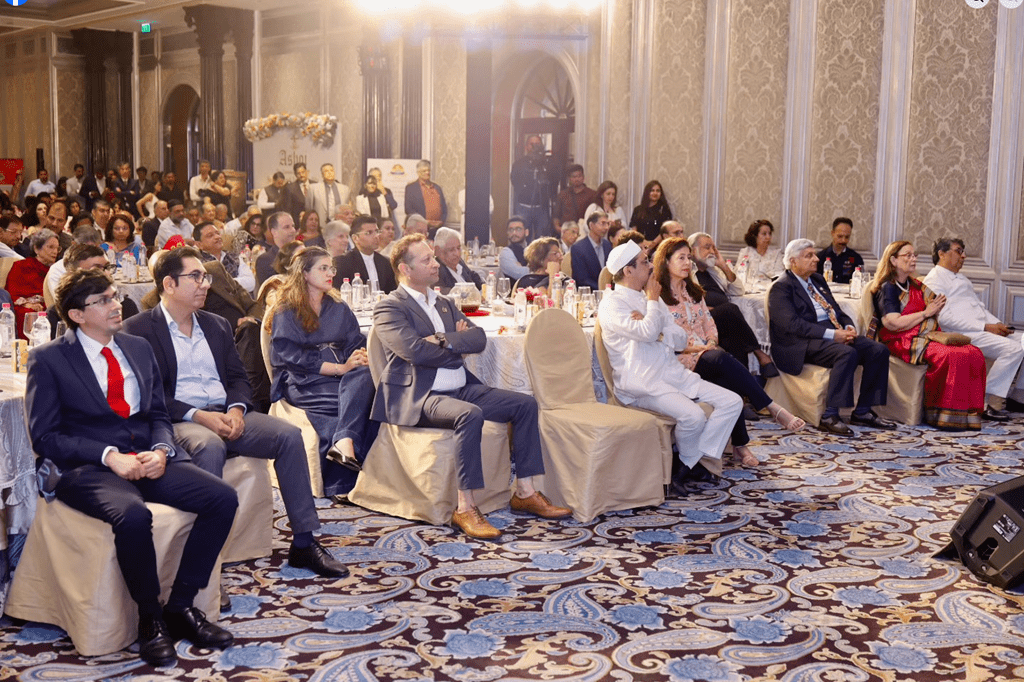
At a distinguished gathering held at the iconic The Taj Mahal Palace on May 9, industrialist, philanthropist, and Rasna Group Chairman Piruz Areez Khambatta formally launched his new book, Ashoi: The Zoroastrian Art of Success and Immortality, while also unveiling a major entrepreneurial initiative aimed at mentoring and investing in future business leaders.
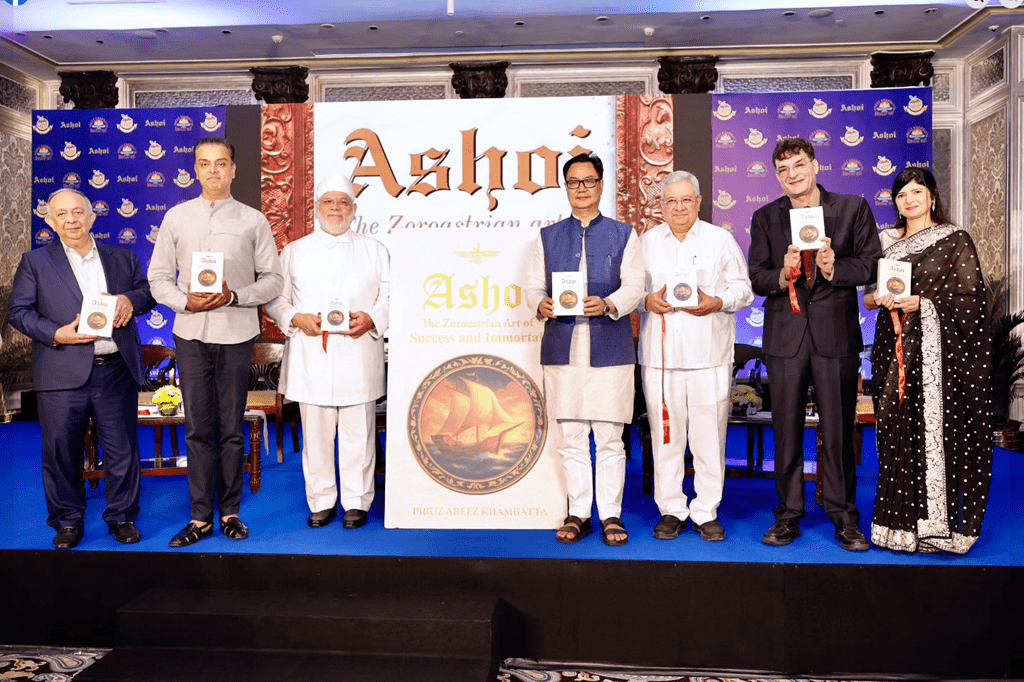

The event brought together senior political leaders, jurists, clergy, entrepreneurs, and prominent members of the Parsi community. Chief Guest Kiren Rijiju, Minister of Minority Affairs, Government of India, was joined by Milind Deora; Member of the Indian Parliament, Justice (Retd.) Shahrukh J. Kathawalla, Vada Dasturji Khurshed Dastoor, Advocate Berjis Desai, Zoroastrian Representative at the National Commission of the Minorities, Government of India, along with several distinguished guests from business, philanthropy, and civil society.
The launch marked not merely the release of a new publication, but the articulation of a broader vision rooted in Zoroastrian ethics, entrepreneurship, and nation-building.
Drawing upon more than three millennia of Zoroastrian philosophy, Ashoi distills 51 principles centered around integrity, discipline, truthfulness, service, and purposeful living. The book seeks to explore a longstanding question frequently associated with the Parsi community: how has such a small population consistently produced generations of trusted entrepreneurs, industrialists, professionals, and philanthropists whose influence on India has been so outsized?
Khambatta argues that the answer lies in the Zoroastrian concept of “Ashoi” — purity and righteousness in thought, word, and deed — reflected in the enduring triad of Humata, Hukhta, Hvarshta (Good Thoughts, Good Words, Good Deeds). Far from positioning the work as a religious treatise, he described the book as a practical framework for ethical leadership and meaningful success in modern life.
Speaking at the launch, Khambatta said:
“In today’s fast-moving and constantly changing world, I believe people are searching for values and principles that can bring greater meaning, balance and direction to their lives. The principles of integrity, purpose, discipline and ethical living have played a significant role in shaping the lives of most Parsis. Through this book, I have attempted to bring ancient Zoroastrian wisdom into a modern and practical context. While it draws from this heritage, its message is meant for one and all. This is not so much a religious book as it is a practical guide to becoming a better person, and as we better ourselves, we contribute to the vital task of nation-building.”
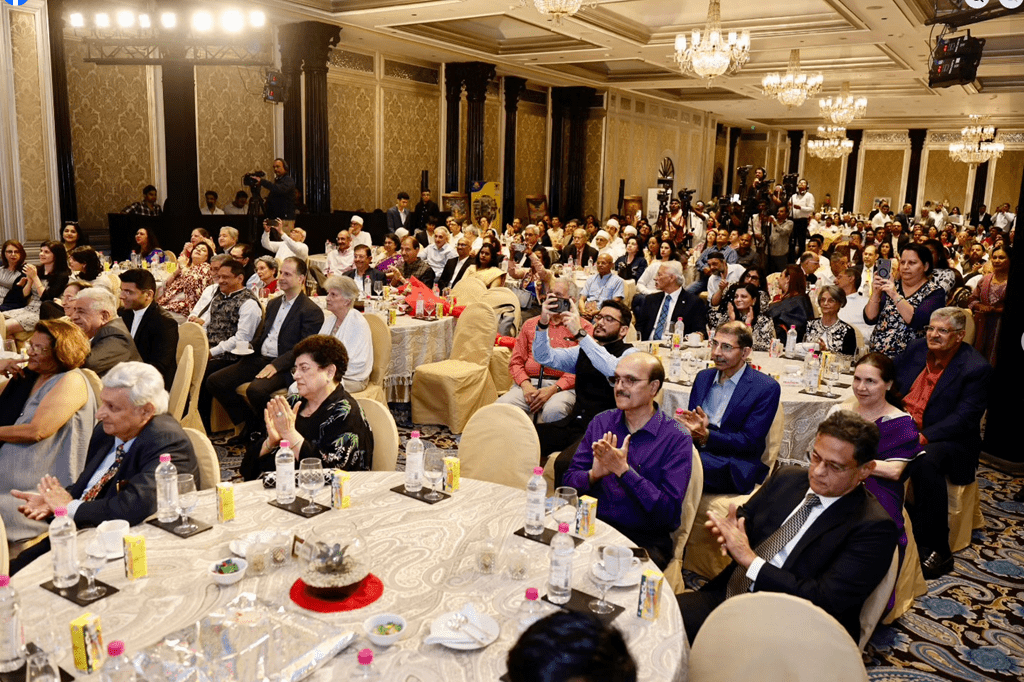
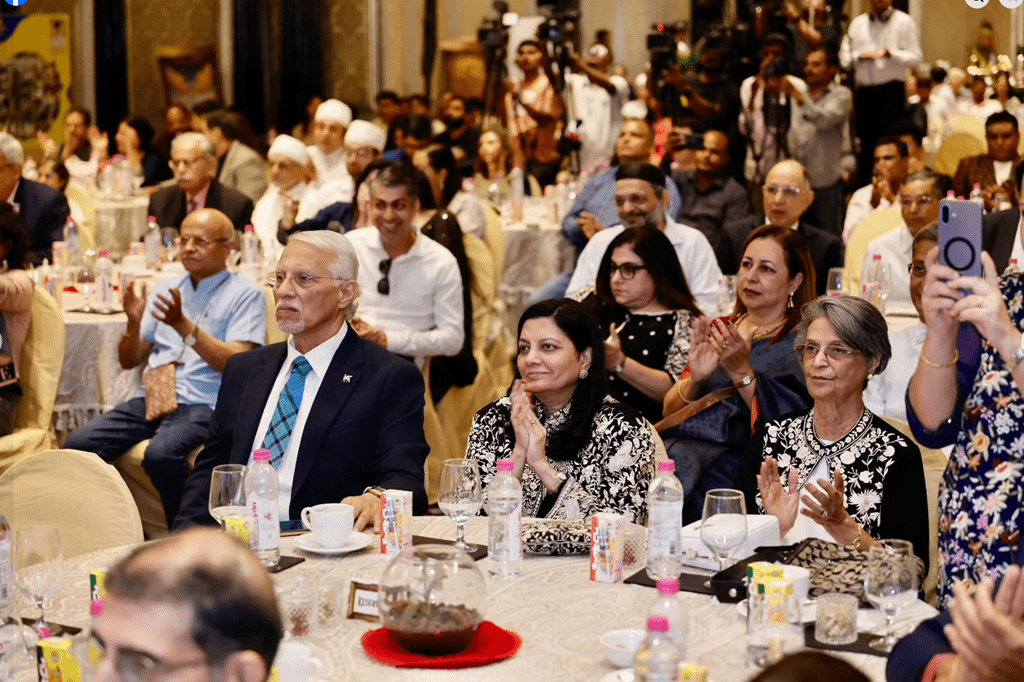
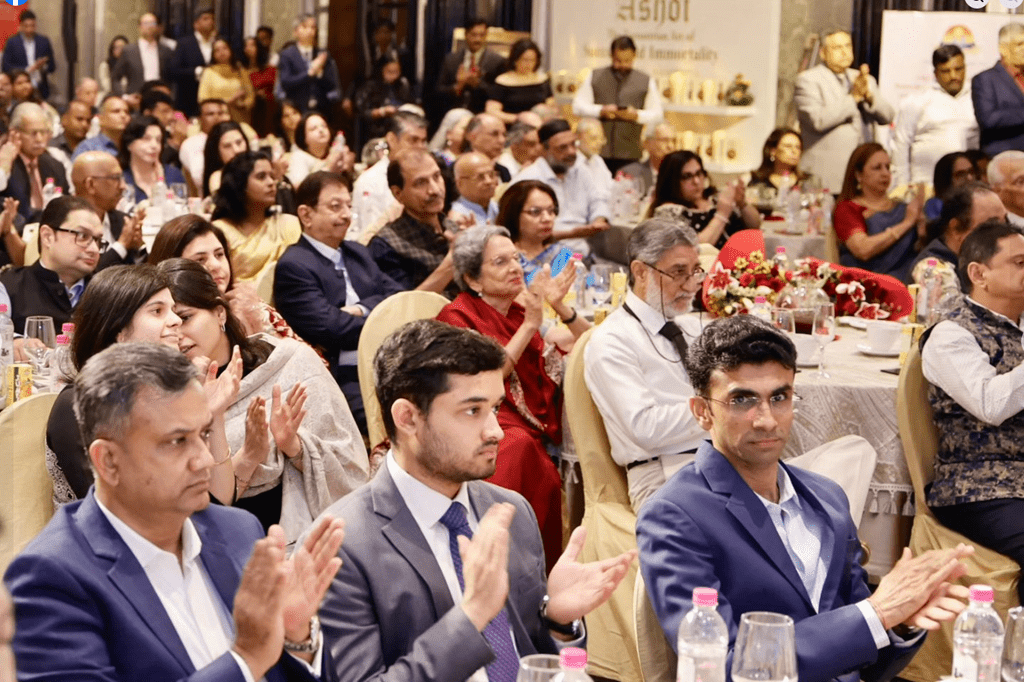
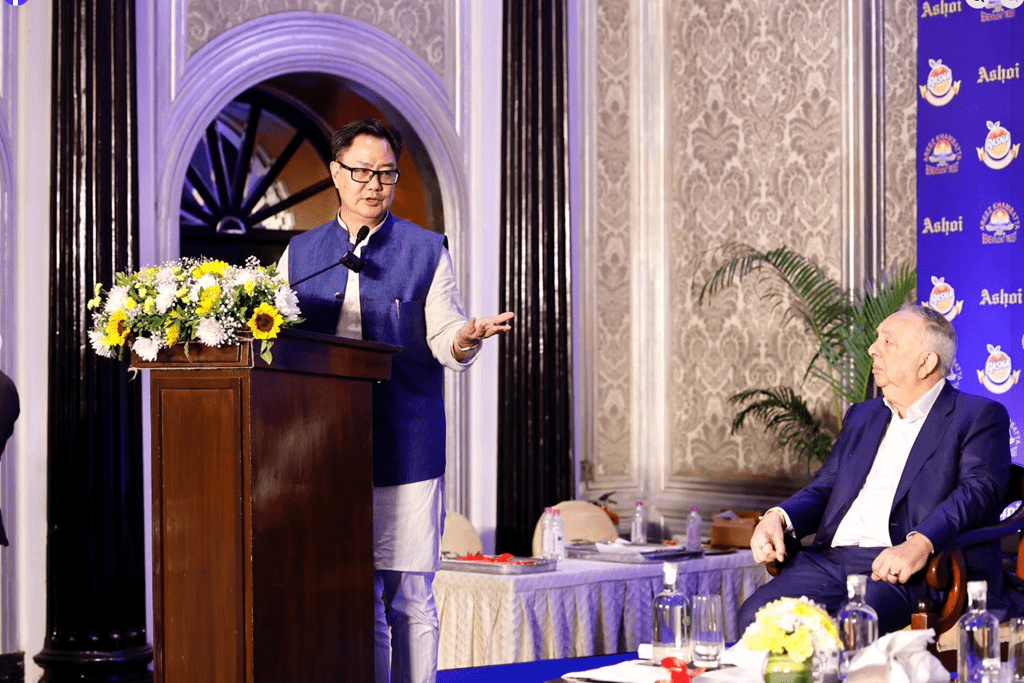
In remarks that resonated strongly with attendees, Minister Rijiju praised the enduring contribution of the Parsi community to India’s social and economic development. He described the Parsi ethos as “a beacon of integrity, enterprise and philanthropy,” noting that Zoroastrian values of truth, purity, discipline, and service have long guided the community’s contributions to national life.
Rijiju also commended the ongoing work of the Areez Khambatta Benevolent Trust and the Rasna Foundation, describing their efforts as “meaningful, quiet work that uplifts society and strengthens the spirit of giving back.”
The evening’s second major announcement was the unveiling of a new entrepreneurial fund being established in knowledge partnership with the World Zarathushti Chamber of Commerce (WZCC). Promoted by a group of like-minded Parsi business leaders, the initiative aims to foster entrepreneurship among Parsi youth through mentorship, strategic guidance, and financial support for early-stage ventures.
A key objective of the initiative is to attract and empower talented youth, including those currently in India as well as members of the diaspora interested in returning home to build enterprises domestically. Organizers noted that the effort aligns with Prime Minister Narendra Modi’s vision of a “Viksit Bharat 2047,” while remaining open to participation beyond the Parsi community.
Additional reports surrounding the launch noted that the proposed corpus could eventually reach ₹100 crore, positioning it as one of the more significant organized entrepreneurship initiatives emerging from within the community.
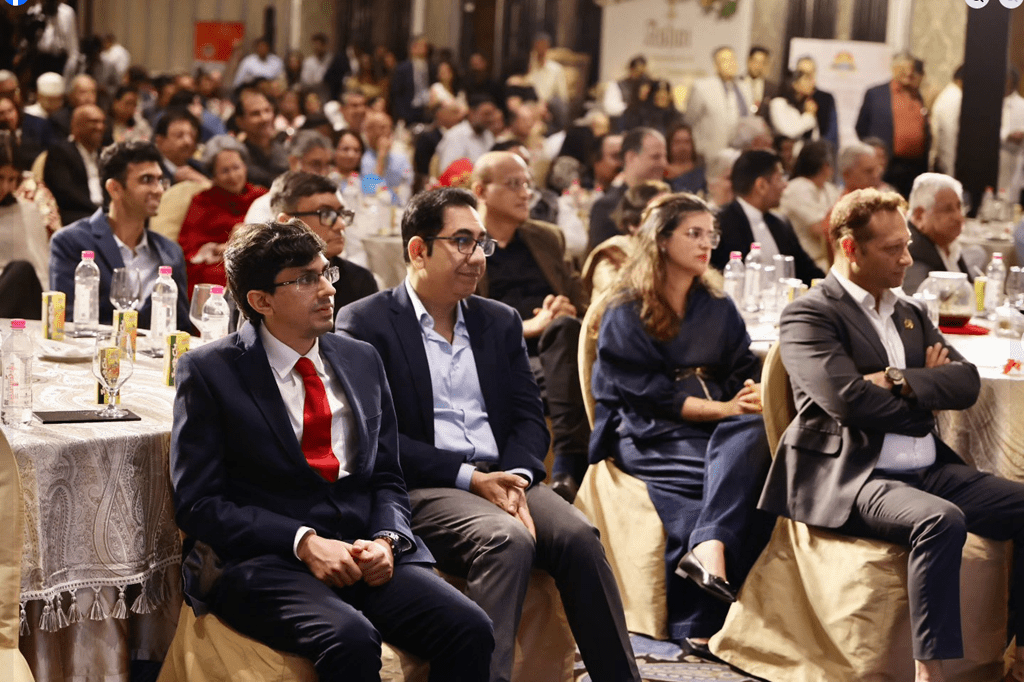
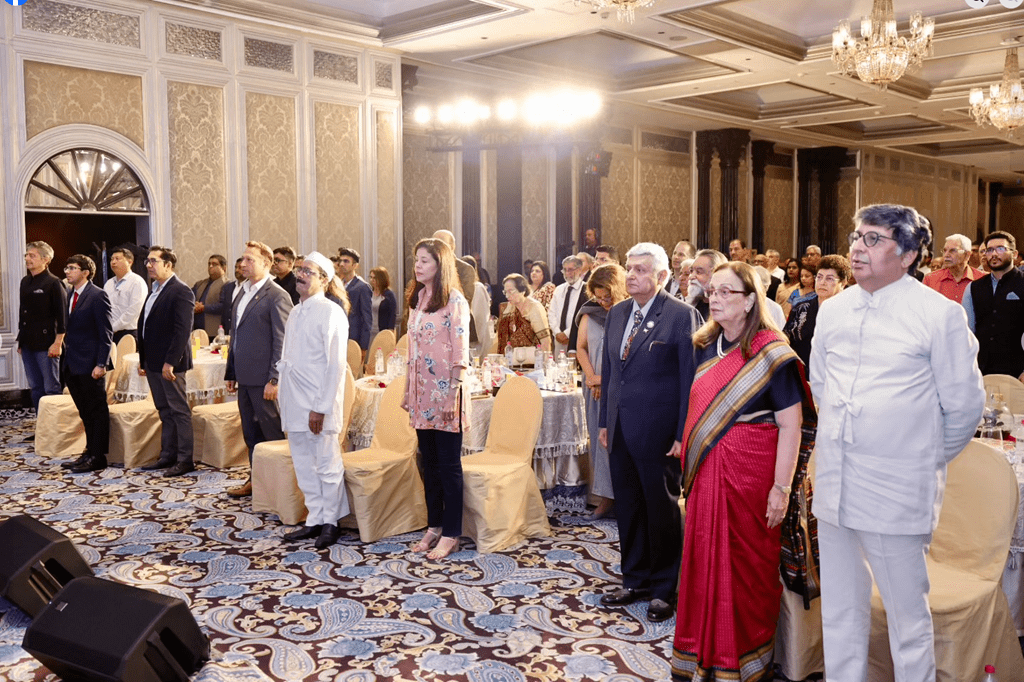
In interviews around the launch, Khambatta emphasized that trust should not be viewed merely as a moral virtue, but as a genuine economic asset. Referring to legacy business houses such as Tata, Godrej, Wadia, Shapoorji Pallonji, the Poonawallas, and Rasna, he argued that enduring reputations built over generations have enabled these institutions to transcend industries and economic cycles.
Khambatta also reflected on the larger purpose behind the book, asking a question that became a recurring theme throughout the evening: “What are you building that will still matter when you are gone?”
The launch event itself reflected many of the themes central to the book: enterprise balanced by ethics, prosperity tied to stewardship, and the belief that wealth creation carries a broader responsibility to society.
The evening was organized by the Areez Khambatta Benevolent Trust and the Rasna Foundation — the CSR arms of the Rasna Group — as part of their continuing commitment to education, leadership development, and knowledge dissemination.
Mr. Khambatta, who has led Rasna since 1997, has transformed the company into one of India’s leading FMCG brands while also advancing numerous philanthropic initiatives in education, healthcare, and social welfare through his charitable foundations. He currently serves as Chairman of the CII National Committee on Taxation, Ambassador to the Make in India initiative and NITI Aayog, and Honorary Consul General of the Republic of Korea in Gujarat.
For many attendees, Ashoi represented not only a reflection on Zoroastrian values, but also a timely conversation about leadership, character, institution-building, and ethical enterprise in contemporary India.