
Our dear friend Mariano Errichiello, Executive Director at the SOAS Shapoorji Pallonji Institute of Zoroastrian Studies writes in…
Future Zoroastrians: Leadership Programme for Emerging Priestly Leaders
When people think about the education of a Zoroastrian priest, they naturally think of prayers, rituals and religious texts. Yet anyone who has approached a priest with questions about identity, marriage, grief, ethics or community life knows that the role extends far beyond the performance of ceremonies. How can young priests prepare for these wider responsibilities while remaining grounded in the faith?
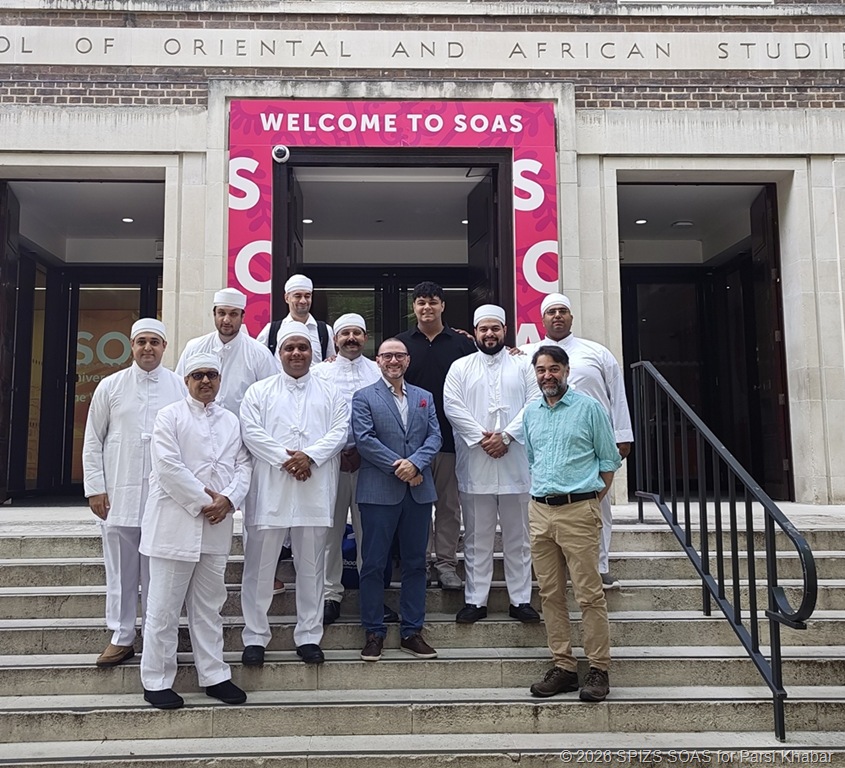
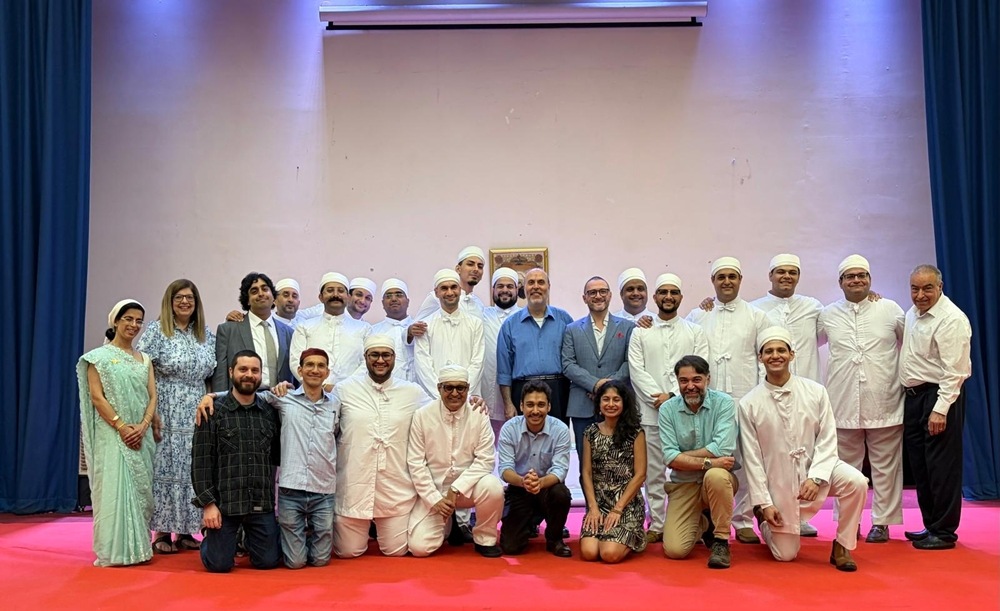
This question inspired Future Zoroastrians, a new leadership programme generously sponsored by Zar Amrolia and hosted by the Shapoorji Pallonji Institute of Zoroastrian Studies at SOAS University of London. During five intensive days, twelve emerging priests from India, Pakistan, Australia, the United Kingdom and the United States came together to explore Zoroastrian scholarship, communication, leadership, pastoral care and community engagement.
The idea was simple. Priests rarely have the opportunity to spend uninterrupted time with colleagues from other countries, comparing experiences and discussing the very different realities of serving Zoroastrian communities around the world. Bringing them together created conversations that could never have happened online or through formal lectures alone.
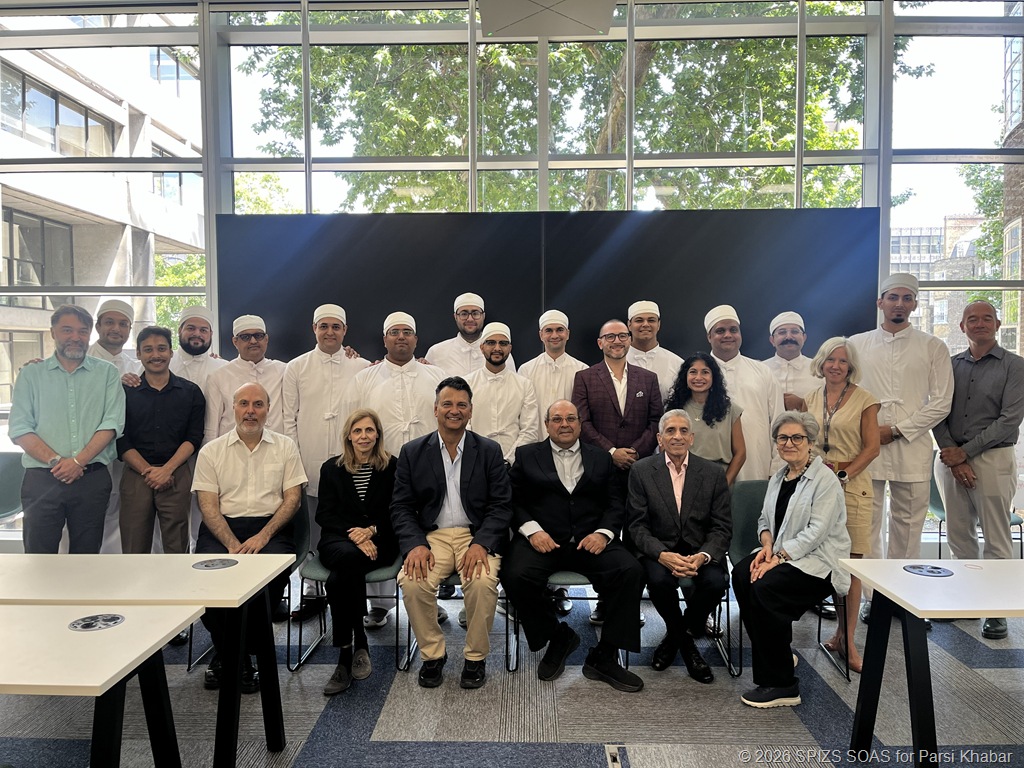
The response showed that this need exists. Thirty five applications arrived from six countries, with applicants ranging from twenty to sixty one years of age. The final cohort reflected both the continued vitality of the Indian priesthood and the increasingly international character of Zoroastrian life today.
Convened by Dr Mariano Errichiello of SOAS and taught by Dr Arash Zeini of the University of Oxford, Ruzbeh Hodiwala of SOAS, academic sessions encouraged participants to engage with Zoroastrian history through a historical and critical lens, examining how beliefs and practices have developed over time. At the same time, practical workshops delivered by leadership coach Freya Birdie, from the United States, focused on public speaking, leadership, pastoral care and communicating effectively with different audiences. Rather than treating scholarship and practice as separate worlds, the programme encouraged participants to think about how each can strengthen the other.
Attending the program were:
- Ervad Adil Minocherhomjee
- Ervad Ardavan D. Solan
- Ervad Yazad Rusi Karkaria
- Ervad Yazad Tehmuras Bhadha
- Ervad Firdaus Rohinton Pavri
- Ervad Dr Meherzad B. Shroff
- Ervad Jehan J. Charna
- Ervad Kerman Rustom Fatakia
- Ervad Shahvir Mehrwan Dastur
- Ervad Zahan Turel
- Ervad Fardoon Dhunjishaw Karkaria
- Ervad Kerfegar Zubin Minocheherhomji
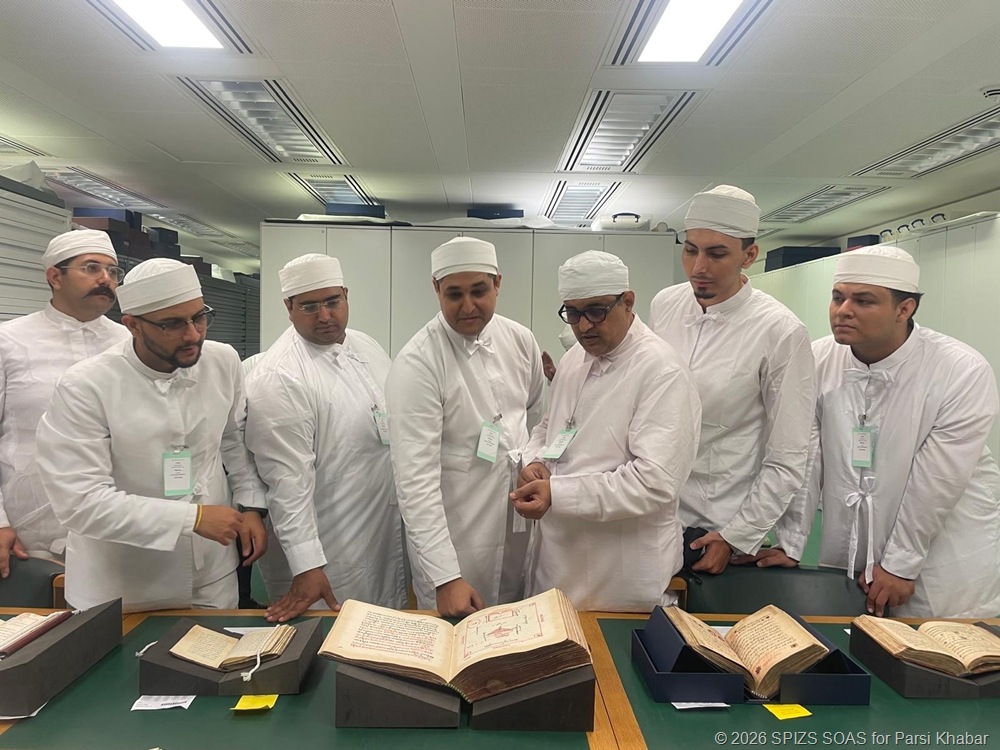
Learning also took place outside the seminar room. Visits to the British Library, participation in the Tirgan celebrations at the Zoroastrian Centre in London and numerous shared meals created opportunities for informal discussion. By the end of the week, what had begun as a group of strangers had become an international network of colleagues.
The strongest evidence of the programme's impact came from the participants themselves. Every attendee said they would recommend the programme to another priest. Participants reported feeling more confident speaking in public, engaging with difficult questions and providing pastoral support. Many also described a broader understanding of their own role within the community.
Several left London with practical plans already in mind. Perhaps the most valuable outcome, however, cannot easily be measured. Throughout the week there was a strong sense that, despite serving communities separated by continents, the participants shared many of the same aspirations and many of the same challenges. They discovered that they were not working in isolation.
The programme’s longer term ambition is to establish an international community of emerging priests who continue learning from one another long after the week at SOAS has ended. As Zoroastrian communities become ever more connected across the world, relationships of this kind may prove to be just as important as any individual lecture or workshop.
Trackbacks/Pingbacks