Archive for the ‘Mumbai’ Category

22
Jul

The Parsis October Revolution

   Posted by: Mehernaaz Sam Wadia   in Bombay, Issues, Mumbai, News

Those Russians call it double - 10 from 10th October, when the Tsars were overthrown. We, Parsis, will call it the October Revolution. When a frustrated, fed up, angry, exasperated, irate, end of patience but determined community will vote, in thousands, to see the last of the Mandarins and Mandrakes and usher in seven new trustees. Our young men and women, just enjoying adulthood at 18, will join our Senior Citizens in a unique exercise of universal adult franchise, from October 4 to October 19.

The community eagerly awaits the unveiling of the Adult Franchise for Progress (AFP) Panel, next Sunday. WAPIZ has atlast given up litigating to avoid these elections and is ready with its own candidates. So is young Jimmy Mistry, who will be the first to file his candidature on 28th July on the stroke of eleven. So is the old warhorse, Rustom Tirandaz, never afraid of losing an election. And, of course, our friend, Dinshaw Rusi Mehta, hero or villain - depending on your perspective. Like Jesus Christ, you can love him or hate him but you cannot ignore him. Will our enfant terrible extraordinaire pull off a sensational third-term victory and be called The Comeback Kid or will the anti - incumbency factor (seen so often in our national elections) make him third-time-not-so-lucky? Arnavaz Mistry, the social worker of great compassion will join Dr. Homi Dhalla, the erudite scholar and the Solar Panel Man; and Pheroze Amroliwalla, honest experienced committed community activist, always ready to serve if commanded. A jocker in the pack will emerge from these three candidates (remember, you heard this first in PTA!). The rest are those who will provide humour, colour and Rs.5000 deposit money to the BPP. Our favourite fruitcakes. What a show, ladies and gentlemen, what a show!

Read the rest of this entry »

Bookmark this entry: These icons link to social bookmarking sites where readers can share and discover new web pages.
  • del.icio.us
  • digg
  • Reddit
  • Furl
  • Facebook
16
Jul

Zubin Mehta to perform in Mumbai

   Posted by: arzan sam wadia   in Bombay, Events, Mumbai, Music

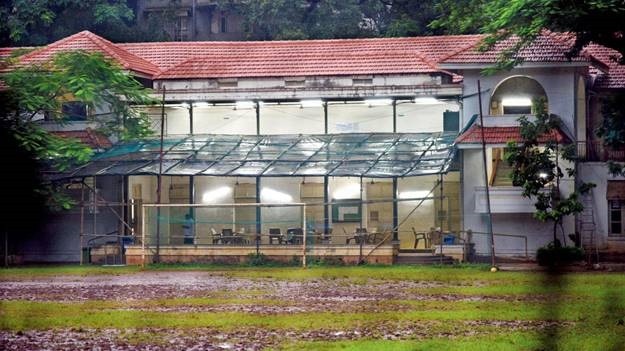
World-renowned music conductor Zubin Mehta will hold a charity concert at the Brabourne stadium in October.

The Mehli Mehta Foundation, founded in 1995 in memory of Zubin’s father, confirmed that he is slated to hold a series of concerts in the city, one of which would be held at the CCI grounds. According to a spokeswoman, “These concerts will be for charity to raise money as Zubin Mehta is planning to open a music school in the city. We cannot say anything more than that as yet.”

The Mehli Mehta Foundation is dedicated to fostering a greater knowledge, understanding and appreciation of western classical music in Mumbai. The CCI confirmed a Zubin Mehta concert is to be held on the grounds. “It would be an immense honour to have Zubin here,” is all CCI’s CEO K Rajpal said. Read the rest of this entry »

Bookmark this entry: These icons link to social bookmarking sites where readers can share and discover new web pages.
  • del.icio.us
  • digg
  • Reddit
  • Furl
  • Facebook
7
Jul

The pages of history: J. N. Petit Library

   Posted by: arzan sam wadia   in Bombay, Books, Mumbai

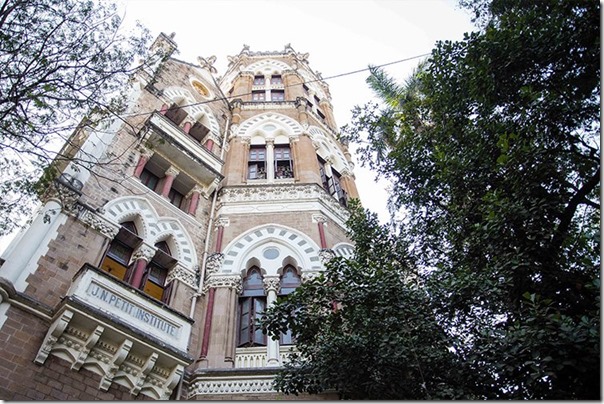
The staff of the JN Petit, home to 150,000 titles, do more than just take care of books

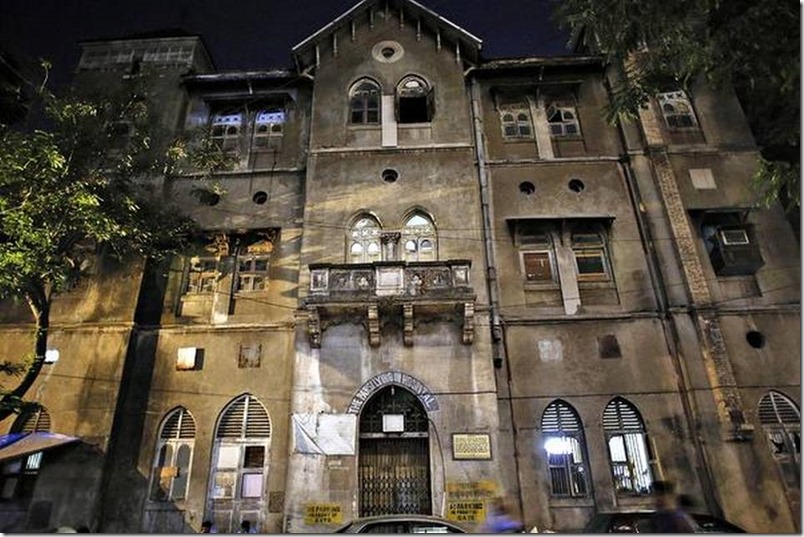
If you can’t remember the last time you visited a heritage library, you are not alone. Edged out by modern lending libraries, and threatened by the Internet, Mumbai’s heritage libraries are floundering. Some have been able to get companies to help restore their period architecture, but most struggle to get funds for conservation and even the purchase of books.

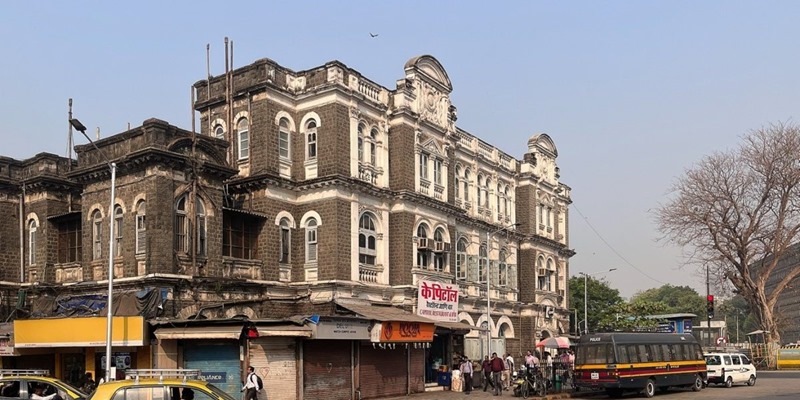
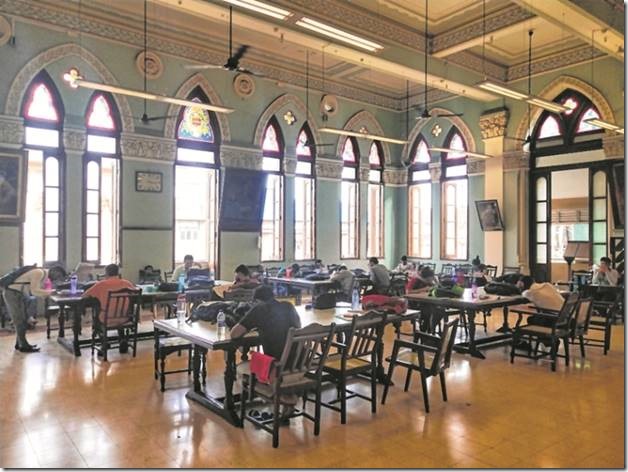
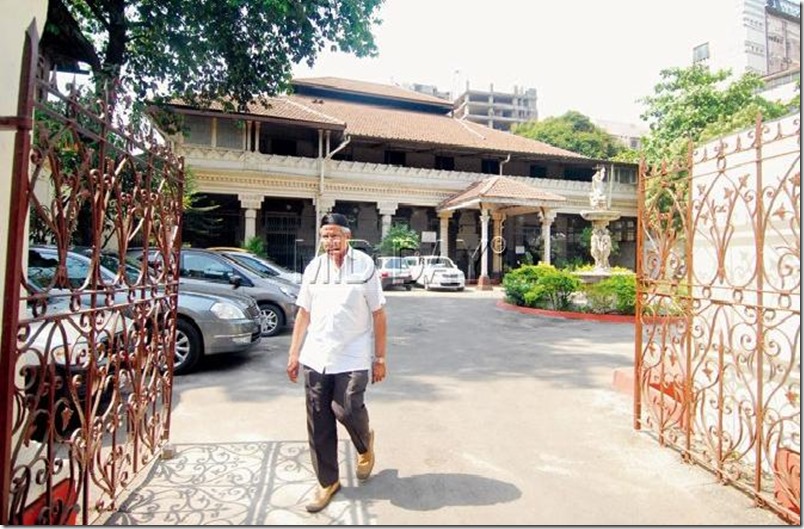
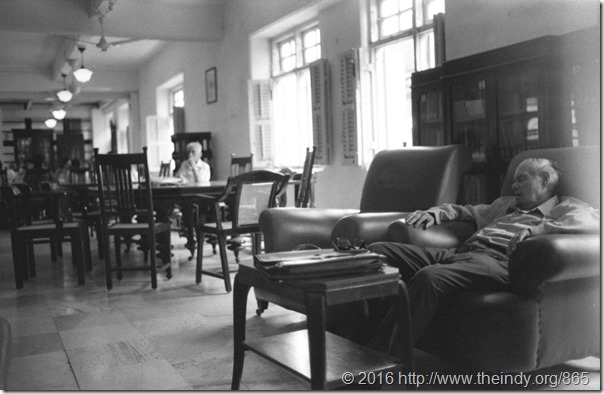
The JN Petit Library at Fort is a typical example of a once-magnificent library running to seed. Housed in a beautiful heritage building dating back to 1895, this massive library has 150,000 books, including a rare copy of Firdausi’s 11th century epic poem The Shahnama, illustrated with gold leaf. Its huge, airy reading room, with stained glass portraits of the Petit family, is supposedly the largest in Asia. Its eclectic collection of books includes rare Parsi and religious books dating from the 16th century, as well as modern self-help books and current copies of magazines such as The New Yorker and Scientific American.

Read the rest of this entry »

Bookmark this entry: These icons link to social bookmarking sites where readers can share and discover new web pages.
  • del.icio.us
  • digg
  • Reddit
  • Furl
  • Facebook
25
Jun

Yazdani Bakery

   Posted by: arzan sam wadia   in Bombay, Food and Drink, Mumbai

Here is a wonderful video of Yazdani Bakery, one of the last few bakeries of its kind left in Bombay

Bookmark this entry: These icons link to social bookmarking sites where readers can share and discover new web pages.
  • del.icio.us
  • digg
  • Reddit
  • Furl
  • Facebook
12
Jun

Vulture Culture

   Posted by: arzan sam wadia   in Bombay, Issues, Mumbai

This is a youtube video about the Parsis of Bombay and the issues that face the community today.

If the video does not show, please click here

Bookmark this entry: These icons link to social bookmarking sites where readers can share and discover new web pages.
  • del.icio.us
  • digg
  • Reddit
  • Furl
  • Facebook
7
May

Voting rights? But whom do we choose?

   Posted by: Shirin Kumaana-Wadia   in Bombay, Current Affairs, Issues, Mumbai

Ask Parsi youth, who want to know whether issues like housing will be resolved

MUMBAI: Last week, the High Court passed a judgment, one that would in many ways shake the age-old hierarchy of the Parsi community: Every Parsi above 18 years can now elect the trustees of the Bombay Parsi Panchayat (BPP). It is a big deal when one considers that it is this institution which controls the purse strings of the Parsi trusts and the allotment of thousands of homes to community members.

While the Parsi youth have welcomed this move, there are still a number of issues that need to be addressed. “If the candidates in the election are going to be the same trustees as before, what’s the point?” asks Viraf Balaporia, 27.

He’s not the only one asking this question. Jehangir Dadachanji, 23, is also deeply cynical. “I can foresee the tamasha. Just like it is with our country’s elections, we’ll have contenders going around begging for votes,” he says glumly.

But despite their reservations, young Parsis believe that it is a step in the right direction. The key is to ensure that they don’t lose the momentum. Sanobar, 20, a stunt professional and physiotherapist, is more gung-ho than Jehangir and Viraf. “Maybe now the BPP will work for the welfare of our community, and not for themselves,” she says. To ensure that this happens, Sanobar would like youth representatives on the board. “Of the seven trustees, at least two should be a part of the youth,” she says. “The elders can continue to keep our traditions and values in check, while the youth can tackle the issues we face today.”

Two of the most talked about issues are the decrease in numbers and burial rites. Many believe that at the rate at which the number of Parsis in India is falling, it is only a matter of time before they lose their status as a community and become a tribe. The second issue of burial rites is also related to the decline in numbers, but of vultures, in this case. But while the community elders debate over morals, and quibble over religious principles, the youth are more concerned about the housing problem. The BPP, they feel, is not carrying out their role in this regard.

Ruhanghiz Sethna, 29, a homemaker, says. “I know that there are houses on properties owned by the BPP that lie vacant. So far, internal politics of the BPP has determined the owners of these flats.”

Viraf Pithawala, a 33-year-old banker feels that the elderly trustees have forgotten how important it is for the youth to get a place to stay. “We delay our desire to settle down until we have a home. This is a factor that affects the size of our community. If the BPP can promise flats to newlywed couples, they might get married and start a family sooner.”

Sanobar has another solution to their shrinking population. “The BPP should take a stand allowing all Parsis, not just men, who marry outside the religion to be allowed to continue practising their faith. And, yes, incorporate their children in the community, too.”

Original article here.

Bookmark this entry: These icons link to social bookmarking sites where readers can share and discover new web pages.
  • del.icio.us
  • digg
  • Reddit
  • Furl
  • Facebook
6
May

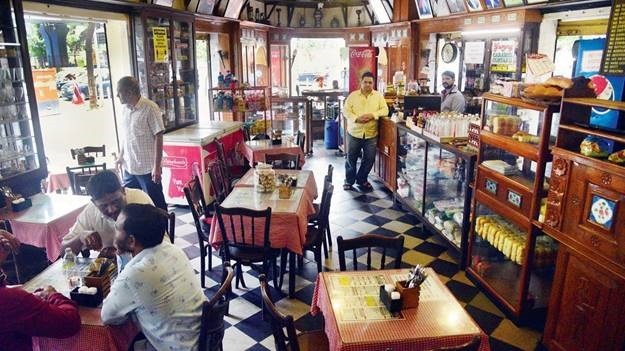
Brabourne Restaurant: Death of an Eatery

   Posted by: Mehernaaz Sam Wadia   in Bombay, Food and Drink, Mumbai

Cities are complex entities. They provide shelter for different communities who, over the years, generate their own sub-cultures, shops, markets and restaurants.

This collection of sub-cultures can be termed ‘villages’. London and New York, to those who know them well, are in truth a collection of villages interacting with each other under the umbrella of an urban government, and Mumbai is no less.

You see this more in South Mumbai than anywhere else. At a particular cross roads is the demarcation between the predominantly Maharashtrian Girgaum and the once predominantly Parsi Princess Street and Dhobi Talao areas.

This area around the Metro Cinema boasts some extraordinary buildings, including the imposing Jer Mahal and around it exist several fire temples, the Parsi Dairy Farm, and a number of Irani restaurants. Kayani’s still goes strong with its Shrewsbury biscuits, chicken patties, cherry custard, and bun maska pao.
Read the rest of this entry »

Bookmark this entry: These icons link to social bookmarking sites where readers can share and discover new web pages.
  • del.icio.us
  • digg
  • Reddit
  • Furl
  • Facebook
2
May

All Parsis Can Now Vote in Parsi Panchayat Elections

   Posted by: Mehernaaz Sam Wadia   in Bombay, Current Affairs, Mumbai, News

Every Parsi, over the age of 18 years, will now have a vote in deciding the future of the Parsi community.

In a significant judgment, Bombay High Court on Wednesday entrusted the process of electing trustees of the Bombay Parsi Panchayat (BPP) - a 350-year-old institution which controls the purse strings of Parsi trusts and is the biggest private landlord in the city - to all Parsis aged above 18.

Disbanding the Anjuman Committee, a 3000-member collegium which, so far, indirectly elected the seven trustees of the BPP, Justice S Radhakrishnan and Justice AV Mohta ruled, “It appears that since the entire (Parsi) community has accepted that it
is high time that every adult is given an opportunity to select the trustee and the said power should not be vested only in a limited body as that of Anju- man Committee.”

Rejecting the appeal filed by three Parsis, challenging the ushering in of universal adult franchise of direct elections of trustees, the HC directed the BPP to complete the process of enrolling new members above 18 years of age and preparing the electoral roll within two months. The election of the new trustees has to be completed within four months.

Read the rest of this entry »

Bookmark this entry: These icons link to social bookmarking sites where readers can share and discover new web pages.
  • del.icio.us
  • digg
  • Reddit
  • Furl
  • Facebook
28
Apr

Eeda Par Agiary

   Posted by: arzan sam wadia   in Bombay, Heritage, History, Mumbai

Eggs and toddy jars for a fire temple? The good-life-loving Parsis are not finicky about mixing the sacred and the secular. Still, I was intrigued by the E&T detail in Nauzer Bharucha’s report on the 300th anniversary of the Banaji Limji Agiary last Thursday. Mumbai’s oldest fire temple was badly damaged in a fire in 1803. For its reconstruction, the Sethiyas gave munificent sums; the poor contributed the eggs and toddy jars which were smashed to strengthen the foundation. Would it be unforgivable sacrilege to connect this to the standard, egg-topped Parsi dish, and call it ‘eeda par agiary’?

Our agiaries are cool, quiet refuges with no sound louder than the hum of faith. They are adorned with little more than a garlanded picture of the Prophet Zarathustra, and the oil portraits of the endowing family, the uniform grimness of these grandees deepened by the decades of wood smoke. The only dramatic feature is the inner sanctum’s gleaming urn with its leap of flames tended by the white-robed priest. He strikes the bell at each of the 24-hour cycle’s five gehs, its reverberations penetrating the very soul of the vicinity’s cluster of faithful.
Read the rest of this entry »

Bookmark this entry: These icons link to social bookmarking sites where readers can share and discover new web pages.
  • del.icio.us
  • digg
  • Reddit
  • Furl
  • Facebook
24
Apr

Fire temple enters its 300th year

   Posted by: arzan sam wadia   in Bombay, Culture, Current Affairs, Heritage, Mumbai

24 Apr 2008, 0434 hrs IST,Nauzer Bharucha,TNN

MUMBAI: For the past few centuries, they have been one of Mumbai’s most important religious and architectural landmarks. On Thursday, the city’s oldest Zoroastrian fire temple-the Banaji Limji agiary-enters its 300th year.

Tucked away in a side lane called Banaji Lane opposite the Akbarallys showroom, the ancient fire was consecrated in 1709 by Seth Banaji Limji, a prosperous Parsi businessman. “It is the oldest surviving agiary in Mumbai,” said Parsi historian Marzban Giara.

Incidentally, the second oldest agiary-Manekji Sett agiary- is also located less than a kilometre away in Perin Nariman street near CST. It completes 275 years on Thursday (1733).

In the western suburb of Andheri (west), the Seth Pirojsha Ardeshir Patel agiary also celebrates its centenary on the same day (Roz Adar-Mah Adar), an auspicious day for Parsis.

Mumbai’s fire temples were established after the Parsis started migrating from Surat and other parts of Gujarat about five centuries ago. According to the Highlights of Parsi History written P P Balsara in 1963, there were Parsis in Mumbai in 1538.

Read the rest of this entry »

Bookmark this entry: These icons link to social bookmarking sites where readers can share and discover new web pages.
  • del.icio.us
  • digg
  • Reddit
  • Furl
  • Facebook
17
Apr

Thana Parsee Zoroastrian Anjuman Wins Court Battle

   Posted by: arzan sam wadia   in Bombay, Current Affairs, Mumbai

Received via an email comminique

From: pervezbhesania
Subject: Another victory to savour:

The mail:

To,

All Zoroastrians of Thana,

We have a phenomenal piece of news to share with you once again.

As you must be aware, we had filed a case (writ petition / PIL) against the Government of Maharashtra in the Honourable High Court of Bombay to save the Byramji Jeejeebhoy school land way back in 1998.

As any legal battle goes, it was a long, arduous conflict that went on for a little over a decade. Today, on April 16, 2008, Wednesday, this protracted battle came to an end when the Honourable High Court Bench, comprising of his Lordships Justice Billan Nazki and Justice Bhangale, endorsed the validity of our case and gave a ruling in our favour directing the State Government to construct a school and make it up and running within a five year duration. The bench took this view after having heard the arguments on both sides.

It’s a matter of great personal satisfaction for all of us who have been involved in this case for so long. No praise is too high for our Senior Counsel Ms Kiran Bhagalia who fought on our behalf without charging us a single penny throughout the case’s duration. This letter aims to share / put across our sense of satisfaction and our happiness within the much wider forum of our proud community, a whole lot of us who are deeply concerned on a day-to-day basis at the disappearance of our community’s assets.

Yours sincerely,

Pervez Bhesania

Vice President

Thana Parsee Zoroastrian Anjuman

Bookmark this entry: These icons link to social bookmarking sites where readers can share and discover new web pages.
  • del.icio.us
  • digg
  • Reddit
  • Furl
  • Facebook
11
Apr

Making statues smile

   Posted by: Shirin Kumaana-Wadia   in Bombay, Heritage, History, Mumbai, Statues and Monuments

Statues make it to the news in Mumbai mostly when miscreants use them to stoke trouble in the city. At other times, they stand on busy road junctions or watch dusty playgrounds, derelict and often covered in bird guano.

But for a group called the Bombay Parsi Association (BPA), the city’s statues are more than just obscure monuments from the past. Last week, members of the group honoured the statue of Sir Hormusjee Adenwalla, a philanthropist who was a former chairman of the Union Bank of India and also a trustee of the Bombay Parsi Punchayet in the early part of the last century. Early on Friday morning, members of the group gathered near the Bikha Behram well near Churchgate, where the statue is located, and offered garlands and bouquets.

The BPA’s annual calendar features two more such events featuring statues and monuments. The statue of freedom-fighter Dadabhai Naoroji at Flora Fountain is similarly honoured on September 4, his birth anniversary. On the Zoroastrian equivalent of the All Soul’s Day, the war memorial at Khareghat Colony on Hughes Road too is the venue of a small memorial service.

Read the rest of this entry »

Bookmark this entry: These icons link to social bookmarking sites where readers can share and discover new web pages.
  • del.icio.us
  • digg
  • Reddit
  • Furl
  • Facebook
11
Apr

New Construction Near Doongerwadi

   Posted by: arzan sam wadia   in Bombay, Mumbai

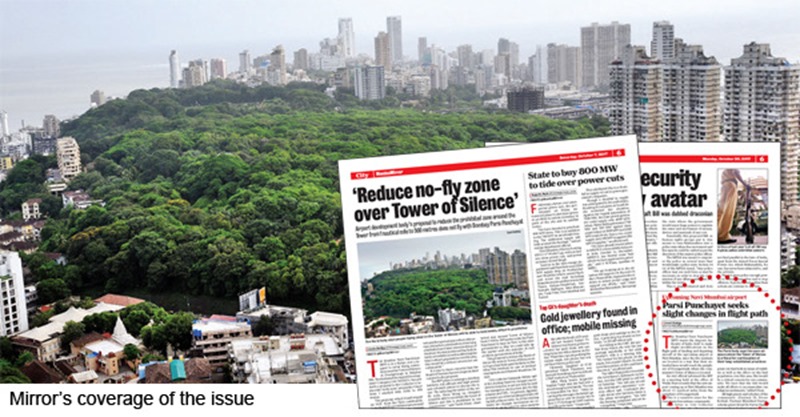
A proposal to build a multi-storey residential building near the Towers of Silence on Malabar Hill has caused concern among a section of Parsis. They worry that residents of the upper floors of these buildings will be able to see the bodies laid to rest in the towers.

The building is to come up inside Godrej Baug, a residential complex on the Western boundary of the doongerwadi. Though trustees of the Bombay Parsi Punchayet (BPP) — which manages both the Towers of Silence and Godrej Baug — said that the building plans are yet to be finalised, officials of Brihanmumbai Municipal Corporation (BMC)’s building proposal department say they have given permission for a 11-storey building.

Levelling of the ground started two days ago and according to plans submitted to BMC by BPP, the new building will come up in Block M.

BPP trustee Dinshaw Tamboly says the time-limit granted for commencement of work was running out. “That’s why we’ve started work,” Tamboly says.

Another trustee Burjor Antia says the government could acquire the plot under Urban Land Ceiling Act if it was left undeveloped. “The plans were sanctioned a long time ago,” he says, “but we could not start construction because of shortage of funds.”

The existing 16 buildings in Godrej Baug are only four-storeys high.

A former BPP trustee says that one tower, Banaji Dokhma, was closed down 35 years ago after the Grand Paradi building came up nearby. “Upper floor residents could see the bodies and it was decided not to use the tower anymore,” the trustee says.

“Now there are worries that the other towers will be visible from the new building. It is a big concern for the community,” says religious scholar Khojeste Mistree. Others feared that debris from the construction site will be dumped in the forest where peacocks can be seen. “This is the only green belt in South Mumbai,” says Viraf Kapadia, a resident of Godrej Baug.
mumbai news

Bookmark this entry: These icons link to social bookmarking sites where readers can share and discover new web pages.
  • del.icio.us
  • digg
  • Reddit
  • Furl
  • Facebook
3
Apr

Khada Parsi may stand elsewhere

   Posted by: Mehernaaz Sam Wadia   in Bombay, Heritage, History, Mumbai

Away from the noise and pollution in Byculla, BMC plans to shift the century-old statue to Five Gardens

The landmark Khada Parsi statue may find a new home at Five Gardens near Dadar. The statue now stands between two flyovers in Byculla.The Brihanmumbai Municipal Corporation (BMC) plans to shift the century-old statue of Shet Cursetjee Manockjee to Dadar so that it could be protected from the corrosive effect of pollution. But the idea has met with opposition from residents of nearby Parsi colony who say the BMC has no right to move the statue. The BMC says the statue has deteriorated because of the effect of traffic fumes and bird droppings. Street dwellers use the limbs of the statue to dry clothes; the foot is occupied by pavement dwellers.

Once the statue stood at the centre of a road junction. It still stands in the same place, but has been sandwiched between two flyovers.

Read the rest of this entry »

Bookmark this entry: These icons link to social bookmarking sites where readers can share and discover new web pages.
  • del.icio.us
  • digg
  • Reddit
  • Furl
  • Facebook
31
Mar

A conversation with Kekoo Gandhi

   Posted by: Shirin Kumaana-Wadia   in Art, Bombay, Individuals, Mumbai

We explore the avant-garde Progressive Art Group as veteran art collector Kekoo Gandhy unearths its history

Many art veterans believe that the formation of the ‘Progressive Art Group’ is one of the most significant moments in the history of Indian art. The group boasts of people including MF Husain, SH Raza, KH Ara, FN Souza and other masters. The group, when it came into existence, grabbed eyeballs in the art circuits all over the globe. It’s interesting to trace back the birth of this group influenced by an Austrain artist Walter Langhammer.

Art veteran Kekoo Gandhy narrates the story: “Walter Langhammer from Austria came to India during the World War II. He was a contemporary of the famous painter Oskar Kokoschka, who was professor of the Academy in Vienna in the 1930s. A Parsi girl named Silloo Vakil from Mumbai who was Langhammer’s student would invite him over to India and he would dismiss her invitation by saying “Ja, ja.”

According to Kekoo when Hitler invaded Austria, Walter was forced to leave Austria and he wrote to Vakil, expressing his desire to come to India and he took up a job as the art director of a leading publication in 1936.

Read the rest of this entry »

Bookmark this entry: These icons link to social bookmarking sites where readers can share and discover new web pages.
  • del.icio.us
  • digg
  • Reddit
  • Furl
  • Facebook
29
Mar

Is Mumbai Really Secular ?

   Posted by: arzan sam wadia   in Bombay, Festivities, Mumbai

Lawmakers may have given Mumbaikars a loud speaker deadline of 10 pm, but I guess laws are meant to be broken.

True there have been cases wherein Mumbai’s event organisers never cross the set time limit to avoid legal complications, and as is clearly evident, it’s always the minorities who would follow them.

It looks like minority communities including Catholics and Parsis among others have taken the law a little too seriously. The midnight mass, which is celebrated within the Church premises and is not at all disturbing to anyone around, has been strictly prohibited after 10 pm.

Even Parsis, who have their functions like Navroz, do not make a noise on the streets or in open spaces and create a nuisance to those around.

But then is the law only applicable to minorities? What about the Id-e-Milad and Holi celebrations, which Mumbai witnessed with jarring music or should I, simply say noise way beyond 11 pm?

Even festivals like Durga puja and Ganesh visarjans don’t seem to follow any loud speaker deadline.

What kind of legal system are we dealing with here? Is the law used to suppress minorities while the others get away by making a puppet of the law?

Original article here.

Bookmark this entry: These icons link to social bookmarking sites where readers can share and discover new web pages.
  • del.icio.us
  • digg
  • Reddit
  • Furl
  • Facebook
26
Feb

Parsi fascination

   Posted by: arzan sam wadia   in Bombay, History, Mumbai

I first went to Bombay when I was 14 or 15. An uncle worked for an antique store inside the Taj, then the grandest hotel in India, and lived in a rented flat in Bandra.

The journalistic offerings of the city fascinated me: the film magazines, the tabloids, the society glossies. I remember reading quite a bit about the Parsis: their contributions to the city, their religious practices, their history in India…

Thirty years on, two months ago, I held the latest Outlook in my hand, and with it came a supplement called Mumbai City Limits. The lead article was again about the Parsis. It had the lovable wit Cyrus Broacha and the pink-looking actor Perizaad Zorabian adorning its cover, and the essay inside covered familiar ground. The Parsis’ numbers are said to be dwindling, but the journalistic fascination with the community hasn’t faded a bit.

Is there something in the Parsi culture that particularly tickles journalistic curiosity? Is it their attire, their death rituals, their insistence on marriage within the community?

Granted, the Parsis have done exceptionally well in business (the Tatas, the Godrejs, and the Wadias hail from this community of Persian immigrants, who arrived in India 1,000 years ago), law (you have the Sorabjees and the Palkhiwalas, invariably described by the media as ‘eminent jurists’), but surely, other communities in Mumbai, such as the Bunts from Mangalore and the Marwadis from Rajasthan, can boast a comparable number of achievers?

Continue reading the entire article here.

Bookmark this entry: These icons link to social bookmarking sites where readers can share and discover new web pages.
  • del.icio.us
  • digg
  • Reddit
  • Furl
  • Facebook
20
Feb

The battle of Mumbai

   Posted by: Mehernaaz Sam Wadia   in Bombay, Mumbai

Original article by Deepak Lokhande in the Mid-Day

Should I be wasting another 400 words on what went on in our city during the last week? I should.
For over two weeks, the city remained hostage to Raj Thackeray and his men, to Amar Singh, Abu Asim Azmi and their men and to an extent to the Hindi news channels. It was complete madness on the part of all the three parties.

Raj wanted to create his vote bank for the 2014 assembly elections, Amar Singh and his party wanted their share of pie in the 2009 assembly elections, where Mumbai will have new constituencies dominated by north Indian votes and Hindi news channels were simply interested in their TRPs so that they can seek more advertising revenue. Everybody got what they wanted, but the city lost the social fibre created over the centuries.

Read the rest of this entry »

Bookmark this entry: These icons link to social bookmarking sites where readers can share and discover new web pages.
  • del.icio.us
  • digg
  • Reddit
  • Furl
  • Facebook
18
Feb

Migrants, your grunts, everyone’s stunts

   Posted by: Shirin Kumaana-Wadia   in Bombay, Issues, Mumbai

by Bachi Karkaria in the Times of India

I cannot promise to raise a statue of Shivaji in Dadar Parsi Colony. But, in the ultimate cultural surrender, I hereby change my surname to Karkare.

Many years ago I got a grubby postcard with a handwritten scrawl. It said, “We have noted you are using word ‘ghati’ too many times in your writings. Be Ware, or fear an acid attack on your photogenic face.” Last Tuesday, I was part of a TV discussion where a rowdy audience kept spitting out the word ‘bhaiya’ as if it were a paan Banaraswala. The MNS party spokesman was a fellow panelist, so I asked him if this was okay considering the family allergy to racist labels. With a straight face he said, “You cannot use ‘ghati’ when you are in Maharashtra.”

Stranger truths emerged. Forget the shortage of affordable housing in the state’s capital or farmer suicides in its hinterland. It seems the only intolerable, indictable, unpardonable, lapse is to say ‘Bombay’ instead of ‘Mumbai’. The belligerent TV audience attacked any panelist who defaulted as if he were a taxi-driver from Zilla Jaunpur. If the beleaguered anchor hadn’t been quick enough, a couple of new martyrs might have been added to those of the Samyukta Maharashtra movement.

Read the rest of this entry »

Bookmark this entry: These icons link to social bookmarking sites where readers can share and discover new web pages.
  • del.icio.us
  • digg
  • Reddit
  • Furl
  • Facebook
18
Feb

Bombay central

   Posted by: arzan sam wadia   in Bombay, Food and Drink, Mumbai

by Haseena Jethmalani in the Indian Express.

Come December and I await invitations from our Parsi friends with bated breath. For me, it’s more about the food, though the bhonu is to die for and the badam pak better than any tiramisu in Italy.

I find the Colaba Agiary simply charming and have some beautiful memories, as a child, attending my friends’ navjotes and weddings. As we eat off banana leaves and sip, rather slurp, the Mangola, it’s the ultimate dining experience for me. Way past their bedtime, children are running around like holy terrors, boys with their jackets thrown and girls with their salli-chicken hands wiped over their tulle dresses, as they poke fun at the band crooning Killing me softly, nothing can be quite so heartwarming.

Coupled with this is extreme hospitality and warmth as every guest is greeted as they enter and leave.

This year was a bonanza for us. At Lata and Vispy Patel’s daughter’s navjote, red roses beautifully brought out a sense of mysticism. It was a pleasure to the Vispy’s school and family friends of over four decades just as much part of their lives as before.

Read the rest of this entry »

Bookmark this entry: These icons link to social bookmarking sites where readers can share and discover new web pages.
  • del.icio.us
  • digg
  • Reddit
  • Furl
  • Facebook
10
Feb

No identity crisis

   Posted by: arzan sam wadia   in Bombay, Mumbai

There was a time when Parsi businessmen and industrialists from Mumbai preferred to employ the ‘Marathi manoos’ in their offices, for he was hard-working, sincere and honest. He had respect for scholarship, was kind to subordinates and obedient to employers.

His work ethics earned him esteem from those around him. To be Marathi was like an additional qualification in Mumbai and white collar jobs were waiting for migrants from the hinterland of Maharashtra.

Then Mumbai became the dreamland for all Indians and its commercial success created a wide gap between the success and failure, wealth and poverty. Politicians
always have a field day in such situations and so was the case in Mumbai. Extreme successes bred disrespect for law; extreme failures gave birth to discontent. This combined to increase social tensions.

The reaction of the diehard Marathi Mumbaikars to all what was thus happening in the city was one of anger and dissatisfaction, for they had not anticipated a challenge to their future. They had shed blood for the inclusion of Mumbai in Maharashtra as the state capital after the reorganisation of the bilingual state of Bombay in 1960.

Continue reading the entire article here

Bookmark this entry: These icons link to social bookmarking sites where readers can share and discover new web pages.
  • del.icio.us
  • digg
  • Reddit
  • Furl
  • Facebook
8
Jan

Freewheeling for a cause: Parsi Bike Rally Mumbai 2008

   Posted by: arzan sam wadia   in Bombay, Motorcycling, Mumbai

For the Parsi community in the city, Sunday was Bawas’ day out on bikes. Hundreds of Parsis, both young and those young-at-heart raced their way on their motorcycles from Dadar Parsi colony to Bandra Tata Colony, Andheri and back to Dadar Parsi Colony in a road show that was organised not just to showcase their love affair with bikes, but also to bring the community together.

The participants flashed their latest imported bikes, vintage bikes, custom-made bikes, sports bikes and Indian bikes. Present were some of the fastest speed bikes like Harley V-Rod, Kawasaki Ninja and Suzuki Hayabusa. What added to the attraction were the beautiful women as pillion riders on some of the bikes and the women bikers themselves. “We had about 50 women who rode on their bikes all the way,” said Nasha Jassawalla, trustee of the Parsi Resource Group that organised the event. He added, “We conducted the event to give youth a platform and spread the message of the community—togetherness.”

Jassawalla said since Parsis were fond of bikes, it was the easiest way to get them together. It was not just another bike rally. The group organised a rock concert, a religious talk and a dinner for the troupe. Said Jimmy Mistry of the organising committee, “It was successful event.”

Bookmark this entry: These icons link to social bookmarking sites where readers can share and discover new web pages.
  • del.icio.us
  • digg
  • Reddit
  • Furl
  • Facebook
5
Jan

Migrants are Mumbai’s shapers, not its shame

   Posted by: arzan sam wadia   in Bombay, Culture, Customs, Mumbai

By Bachi Karkaria,

Jug Suraiya’s Second Opinion (January 4) may be dead-on in blaming India’s ersatz modernity for what happened in Mumbai , but it is way off the mark in also damning the city’s migrant nature. As a theory, it may be impeccable to argue that morality and ethics, a sense of right and wrong is inextricably linked with a sense of place, but in practice it simply does not apply to the way migration has shaped out in Mumbai, much less to the way it has shaped Mumbai.

More than any other metropolis, Mumbai is native-neutral, whatever the Shiv Sena may like to project. Migration is a continuous-process industry here, and the city would be non-existent without migrants. This is exactly the opposite of the pattern in Chennai and Kolkata, places firmly rooted in their mono-chauvinism.

Similarly, the Dehli-walla and the post-Partition Lalaji culture of the Capital have only been challenged in the recent decade by a completely different demographic dynamic. Bangalore falls into the same slot; its original Kannadiga and Tamil population may have always been diluted by multicultural pensioners seeking out its quietude and salubrious climate, but they shared a common temperament.

This is all completely different from the cultural maelstrom that has distinguished Mumbai for centuries. More so, as in any self-respecting kaleidoscope, each 24-hour turn changes the patterns.

Yet, contrary to Jug Suraiya’s premise, this does not make for a disparate anonymity where you can get away with murder or molestation. Quite the opposite. You learn to adapt, and live in the togetherness of strangers. In fact, communal angularities have full rein in the company of your own kind. Outside it, it is imperative that you emery them down. This is why the Goan makes good outside Goa;, the Bengali does better outside the stifling cultural terrorism of Kolkata; the Punjabi is so much quieter outside Delhi. As a Parsi, I could have claimed Mumbai as my patrimony, but I was a migrant too from the communal outpost of Kolkata, and the first thing that struck me was that the resident of the baugs and colonies was almost a different species from the Parsis back home.

Read the rest of this entry »

Bookmark this entry: These icons link to social bookmarking sites where readers can share and discover new web pages.
  • del.icio.us
  • digg
  • Reddit
  • Furl
  • Facebook
5
Jan

Parsi Bike Rally in Mumbai

   Posted by: arzan sam wadia   in Bombay, Motorcycling, Mumbai

Watch out for the Parsi bikers as they criss-cross through the city on January 6 for peace. Organised by the Parsi Resource Group, the rally will begin from the Dadar Parsi Gymkhana. The registration fee is Rs 200 and includes lunch, T-shirt and cap.

Click here for more info

Bookmark this entry: These icons link to social bookmarking sites where readers can share and discover new web pages.
  • del.icio.us
  • digg
  • Reddit
  • Furl
  • Facebook
5
Jan

Architect Jimmy Mistry: The high of creativity

   Posted by: Shirin Kumaana-Wadia   in Individuals, Motorcycling, Mumbai

Maverick architect Jimmy Mistry is an accidental architect who loves the freedom that hospitality design offers him.

There are some things you don’t want to know about your architect. Such as a passion for bikes, for instance. When you’re looking for an architect to design your home, or office, you don’t want someone who’ll necessarily be concentrating only on the garage.

Though Jimmy Mistry’s credentials more than make up for his maverick interests, it’s something to keep in mind. Till you realise that he’s also a devout Parsi, the same Mistry who, as a matter of conscience, initiated work on the Fire Temple in Dadar, Mumbai, one of his more challenging assignments, but more about that later.

For those who came in late, Jimmy Mistry set up his architectural practice — Della Tecnica — with a handful of people and a few lakh rupees between them. They were keen to make it big, but could hardly have anticipated the success of their venture. That was eleven years ago.

Today, Della Technica has a turnover of over Rs 100 crore and has become a name to be reckoned with in architectural circles. Which must be some vindication for Mistry who, he is at pains to point out, is neither a qualified architect nor a designer.

Read the rest of this entry »

Bookmark this entry: These icons link to social bookmarking sites where readers can share and discover new web pages.
  • del.icio.us
  • digg
  • Reddit
  • Furl
  • Facebook
3
Jan

Godrej is all set to unlock greater value in Mumbai

   Posted by: arzan sam wadia   in Bombay, Institutions, Mumbai

The Godrej business group recently commissioned a London marketing agency to redesign its brand image. The aim was to dust down the dowdy Godrej of Almira cupboards to something smarter befitting New India.

Though the sprawling Godrej empire is vast (sales last year totalled an estimated Rs246.57 billion), the group seemed to lack the sparkling edge of New India as represented by financial services, mass retail, telecoms, even foreign acquisitions. Godrej only went down that path recently, and modest it was too. That has now changed with the revaluation of the group’s huge and historically most passive asset — property.

With the repeal of the Urban Land (Ceiling and Regulation) Act, long regarded as a drag on property-driven economic growth in Mumbai, Adi Godrej, chairman, is expected to gain control over nearly 3,000 acres of land in and around Mumbai. That will make him a significant player in Mumbai’s real estate market.

The traditional landed elite of Mumbai — many, such as Godrej, from the Parsi community–has watched as its unproductive land assets have in recent years been lifted, first, by a low interest regime and a revolution in financial products such as mortgages, and, more recently, by the ditching of a law that most analysts believe will be transformational for such businesses. Godrej stands at the head of this queue.

Read the rest of this entry »

Bookmark this entry: These icons link to social bookmarking sites where readers can share and discover new web pages.
  • del.icio.us
  • digg
  • Reddit
  • Furl
  • Facebook
12
Oct

Bawas of Bambai rejoice!

   Posted by: arzan sam wadia   in Bombay, Food and Drink, Heritage, Mumbai

The objective of the event was to bring the youth together, put the community resources to use and give the young blood a platform to a world of opportunities.

Architect Jimmy Mistry’s NGO Parsi Resource Group organised an event for the youth of the Zoroastrian community the other evening, and the bawas of the city donned their evening best and came out to celebrate the achievers of the community.

The objective of the event was to bring the youth together, put the community resources to use and give the young blood a platform to a world of opportunities. And all that and more took place, amidst khaana-peena and loads of majaa !

Besides an art and dance competition where the youngsters showcased their talents, a dance workshop was conducted by dance professionals Sandip Soparrkar and Hormuzd Khambatta. The participants were judged by a panel of professionals in the field of art and dance.

Among the bawa celebrities present were a pregnant and glowing Parizad Kolah Marshall, fitness guru Mickey Mehta and Parvez and Roshni Damania who made it a family affair with their children. Vasant Bhandari was also spotted enjoying the festivities.

Bookmark this entry: These icons link to social bookmarking sites where readers can share and discover new web pages.
  • del.icio.us
  • digg
  • Reddit
  • Furl
  • Facebook
29
Aug

Powai’s ‘Parsi’ Connection

   Posted by: arzan sam wadia   in Bombay, Heritage, Mumbai

The renowned site where Powai Lake stands known as Framaji Kavasji was Powai Estate. It was in 1890 that the Britishers dug out the lake at a cost of Rs 6.5 lacs which was given to one Dr Scott in 1799 on payment of yearly rent of Rs 3,200. After Dr Scott’s death in 1816, Powai was taken back by the government in 1826 and leased once again to Framaji Kavasji, a Parsi merchant.

At the time, Powai lake supplied two million gallons of water to Bombay. Today, on the ADS Marg near the Powai Police stn on the lake side remains a dilapidated cottage whose wooden pillars jut on the pavement on the widened JVLR section II. This is the sole remnant of the Framji Kavasji’s presence on the landscape of Powai which may soon whither in the sands of time after 270 years.

Towards the Parksite Vikhroli are the remnants of hillocks called ‘Godrej Hills’ now leased out for quarraying. It is part of the biggest land tracts running along the Eastern express by any private trust is the Godrej factory and offices. Again a leading Parsi business house.

Read the rest of this entry »

Bookmark this entry: These icons link to social bookmarking sites where readers can share and discover new web pages.
  • del.icio.us
  • digg
  • Reddit
  • Furl
  • Facebook
22
Aug

FTII Award for Parsi Themed Film

   Posted by: arzan sam wadia   in Bombay, Film, Mumbai

Parsi Wada, Tarapore — Present Day, a film that talks about the present and future of the Parsi community in Mumbai, has won cameraman Paramvir Singh the award for Best Cinematography (Rajat Kamal and a cash prize of Rs 10,000). The movie, which presents a lyrical depiction of the decadent Parsi community, has been shot with imagination with good use of lighting and compositions.

Read entire article here

Bookmark this entry: These icons link to social bookmarking sites where readers can share and discover new web pages.
  • del.icio.us
  • digg
  • Reddit