

Our second author for the 2015 Everyday Parsi Series is Niloufer Mavalvala Muktad Recollected: Then and Now Childhood memories can be sweet and not easily forgotten. I grew up in Karachi amongst a small community of 4000+ Zoroastrians. I remember my childhood being fun a one, of the happiest times of my life, and definitely… Continue reading Everyday Parsi: Niloufer Mavalvala
Month: August 2015
Professor Almut Hintze Speaks about the movie “The Path Of Zarathustra”
Professor Almut Hintze, renowned Zoroastrian scholar endorses ‘The Path Of Zarathustra’.
Everyday Parsi: Ervad Kayomarz Yezdi Sidhwa

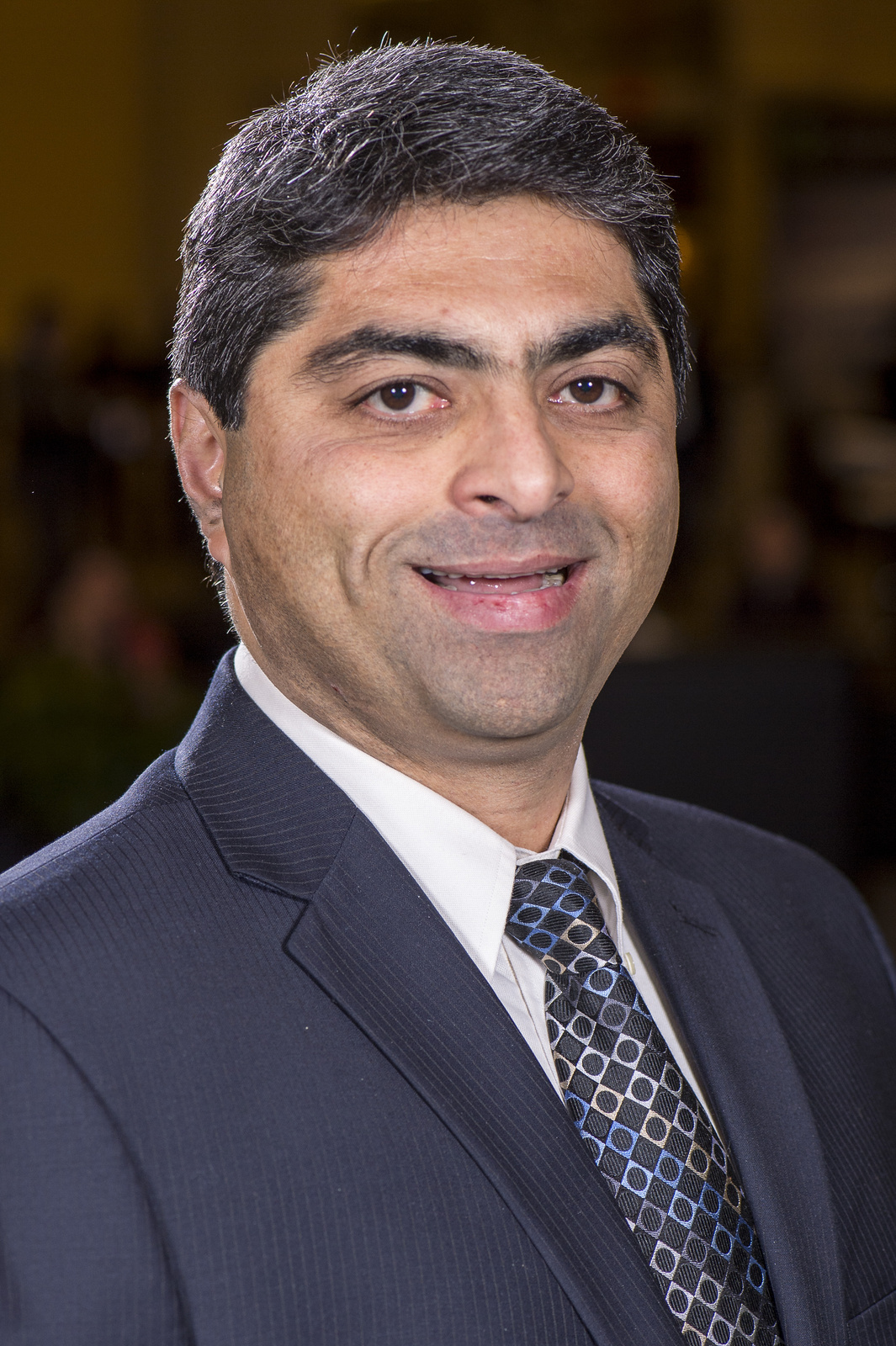
Our first author for 2015 Everyday Parsi series is Ervad Kayomarz Yezdi Sidhwa. Kayomarz writes Thank you Parsi Khabar for giving me the opportunity to write what Muktad days have meant to my family and I. I grew up in a very conservative environment where both my parents are from Athornan families. My maternal side… Continue reading Everyday Parsi: Ervad Kayomarz Yezdi Sidhwa
The Everyday Parsi in 2015

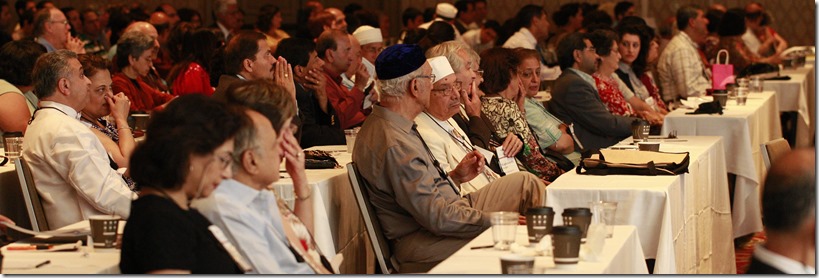
August 8, 2015 is the first day of Muktad or to call it correctly “Farvardegan” per the Shehanshahi Parsi Calendar. Parsis around the world and especially in India remember the dear departed of their family. Special prayers are offered at the Agiaries and in homes. The 10th day of the Muktad culminates into the Shehenshahi… Continue reading The Everyday Parsi in 2015
Making Muktad More Meaningful

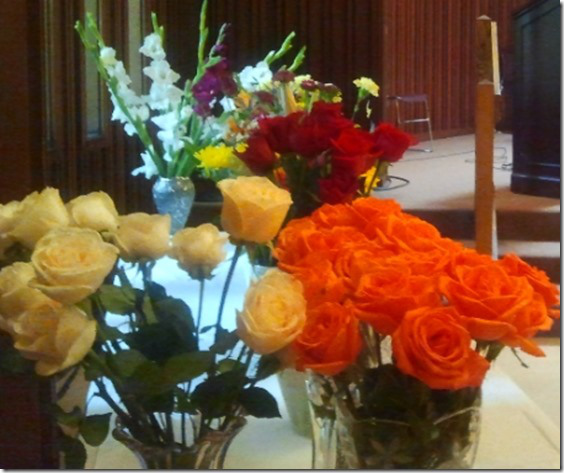
Muktad are the 10 days starting from Roj Ashtad of Mah Spendarmad and ending on Vahishtoisht Gatha, when, according to Zoroastrian tradition, all Fravashis and souls collectively descend every year to their houses in particular and into the world in general. They remain wherever there is purity, prayers, performance of rituals and goodness. The Muktad… Continue reading Making Muktad More Meaningful
Nell Freudenberger: In Conversation


Nell Freudenberger talks from Mumbai about the dwindling population of Parsis in India. The word Parsi refers to followers of the prophet Zarathustra who came to the west coast of India from what is now Iran in the 10th century, looking for religious freedom and economic opportunity. In India today, Parsis are known for their… Continue reading Nell Freudenberger: In Conversation
Reformist Parsis get a funeral prayer hall of their own in Worli, Mumbai India

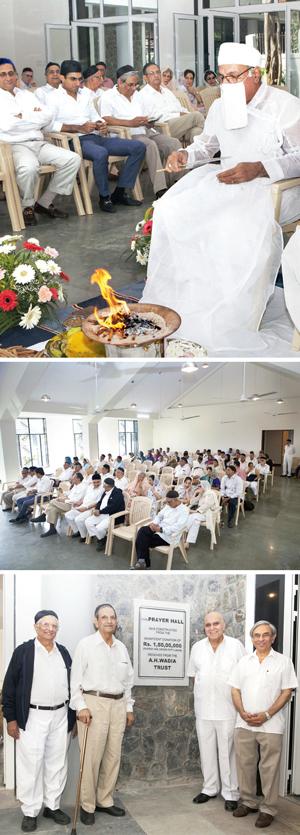
Barred from prayer halls inside Doongarwadi for opposing the traditional method of disposing of dead or for marrying outside the community, the liberals build their own space to pray for the dead. Article by Jyoti Shelar | Mumbai Mirror A 3,700 square foot prayer hall, built especially for those Parsis who have been denied access… Continue reading Reformist Parsis get a funeral prayer hall of their own in Worli, Mumbai India


