
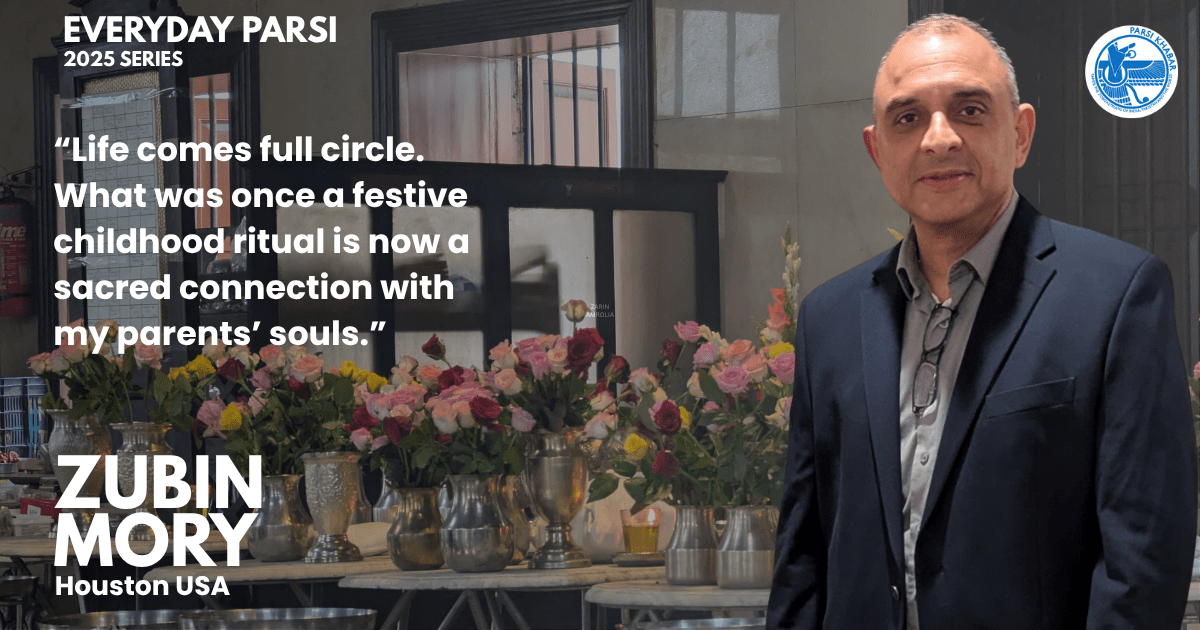
Our second author in the Everyday Parsi 2025 series is Zubin R. Mory
Muktad evokes profound meaning and deeply rooted memories for every Parsi and Zoroastrian. These ten days are associated with a sacred, spiritual connection to the “dear departed.” This piece traces my evolving relationship with this period. Though much has changed, the essence remains: the flowers, silver vases, marble tables, sukhar smoke wafting through the Agiary, trays of fruit, chasni, mithu, satum, and priests in white chanting Avestan prayers.
I remember attending Muktad prayers with my Mamaiji in the late 1970s, at Mumbai’s Wadiaji and Anjuman Atash Behrams. The Wadiaji compound transformed overnight—flower vendors (fulwalas) with buckets of blooms lined the gates, their fragrances mingling with the early morning air. A bustling energy filled the air, as Parsis in traditional Agiary na kapra gathered, and in the kusti area, my Mamaiji and others pulled out packets of sukhar from their bags. If you had a “history” with a fulwala, you were guaranteed better flowers at better prices.
Climbing the wooden staircase at Wadiaji and entering the cavernous Muktad hall was unforgettable. Marble-top “special tables” and the “Anjuman ni table” held silver vases brimming with beautiful flowers. The scale, sanctity, and visual richness of that room made me wonder—if heaven exists, surely it must look like this. Dasturs moved between tables, offering sukhar and loban to sacred fires. The entire scene left an indelible mark on me. After bhanvanu, we would collect the chasni and cross over to Anjuman.
In those days, these visits felt like abstract religious rituals with a festive undercurrent, especially as they preceded Navroze—an eagerly awaited time for Parsi nataks at NCPA or Patkar Hall, and lavish family dinners catered by Godiwala or others at the Ripon Club and PVM. As I got older, my visits to our family panthak, Mehla Patel Agiary on Balaram Street, became confined to weekends—just enough to avoid lectures from my parents. The ceremonies were spiritual, even joyful, but not personal. My Bapaiji and Bapawaji had passed before I was born; my Mamawaji passed soon after my Navjote.
But everything changed when my Mamaiji and other relatives I’d known for decades passed on. I was close to them—and their absence made Muktad deeply personal. Each visit stirred memories and evoked a soul-level connection.
In 1996, I moved to the USA and, by 1998, settled in the New York/New Jersey area. For years, my Muktad days passed without ceremony. My parents would casually mention, “Muktad saru thai gaya,” and that was it. My wife and I knew of ZAGNY’s Muktad prayers, but our work schedules kept us from attending. Our primary celebration was the ZAGNY Navroze dinner at the center—that was our focus. Life, as it does, kept moving.
In 2011, we moved to Mumbai and lived there until 2018. In the early years, we took our three children to Mehla Patel Agiary during Muktad to give them a sense of religious and cultural exposure. Then, between 2013 and 2017, my mother, mother-in-law, and father passed away. That loss reshaped our relationship with Muktad entirely. Now, those ten days are a sacred time to reflect, connect, and honor my parents.
After returning to the USA in 2018, Muktad took on even more spiritual weight. I began traveling back to Mumbai to attend the annual Muktad prayers for my parents and in-laws. As tradition teaches, our loved ones “visit” us during these days—and on Valav, we bid them farewell until next year. It’s no longer just ritual—it’s a meaningful, spiritual bond.
It has become my annual pilgrimage. The Kul Muktad nourishes me spiritually—especially since I can’t make it to the Agiary for monthly prayers. Life, of course, comes full circle: now I have a favorite fulwala, and the sukhar packet I use comes from the aunty whose shop stands outside the Agiary. There truly is a “Muktad ecosystem.” My visits follow a routine: I meet relatives and friends, take care of India-related work, buy sadras, desi snacks, and Grant Road na masala. I eat at Delhi Darbar and Mahesh Lunch Home, and ensure a Wednesday dhansak lunch at Ripon Club with old friends. And yes, like a good Parsi, I compare Muktad prices at Mehla Patel and Tata Agiary with my wife’s sister.
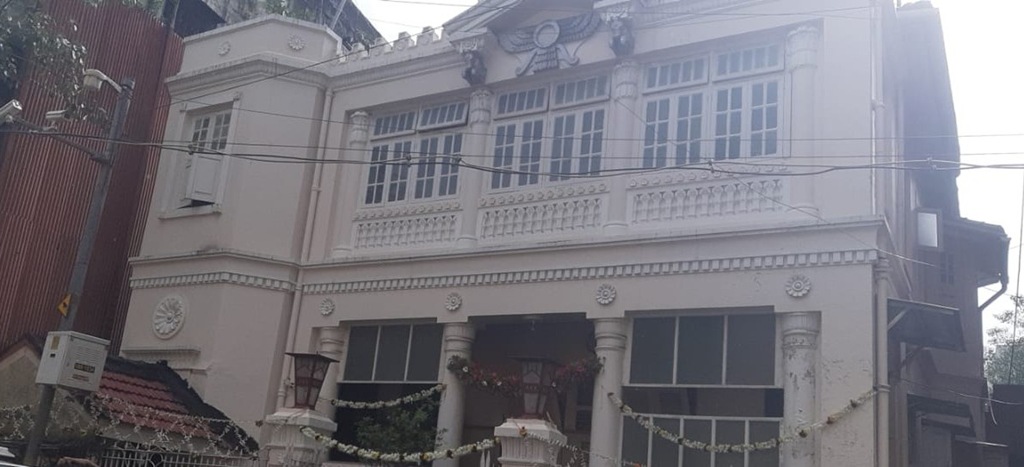
Mehla Patel Agiary in Mumbai, India

Mobed Rusi Katrak performing Muktad prayers
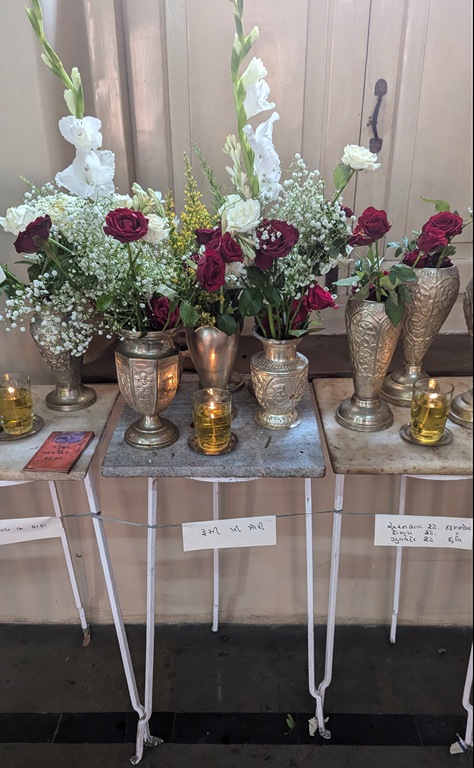
Mory Family Muktad table at the Mehla Patel Agiary in Mumbai, 2024.
Since moving to Houston in 2021, we’ve been welcomed into a vibrant and diverse Zoroastrian community, including Parsis from India and Pakistan and Iranian Zoroastrians. The Bhandara Atashkadeh is our spiritual center and hosts local Muktad prayers. The spirit is the same—mobeds chant diligently, marble tables are adorned with flowers, and chasni and satum are prepared with devotion. The materials may come from Kroger and not a Mumbai vendor, but the love and reverence for the dear departed are unchanged. And as khara Parsis would expect, the ZAH Navroze party features solid music, good daru, and proper bhonu.
Across continents, cultures, and generations, the essence of Muktad remains intact—quiet reverence, deep connection, and collective hope. When I, a middle-aged bawaji in the diaspora, talk about Muktad with peers, there’s a shared sense of journey and rediscovery. There’s optimism—but also questions: will our children and grandchildren carry this forward? Will they revere these traditions as we do?
And then I smile. If we made it—through distractions, distance, and decades—maybe they will too. Muktad, after all, remains the heart of Zoroastrian spirituality, especially for Parsis.
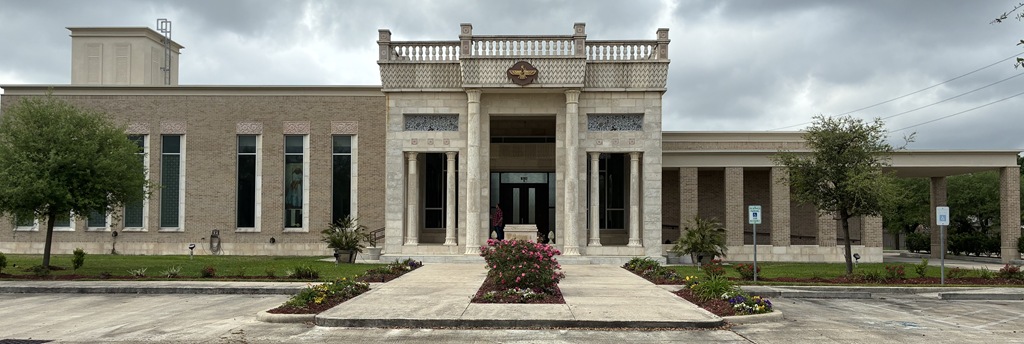
Bhandara Atashkadeh, Houston
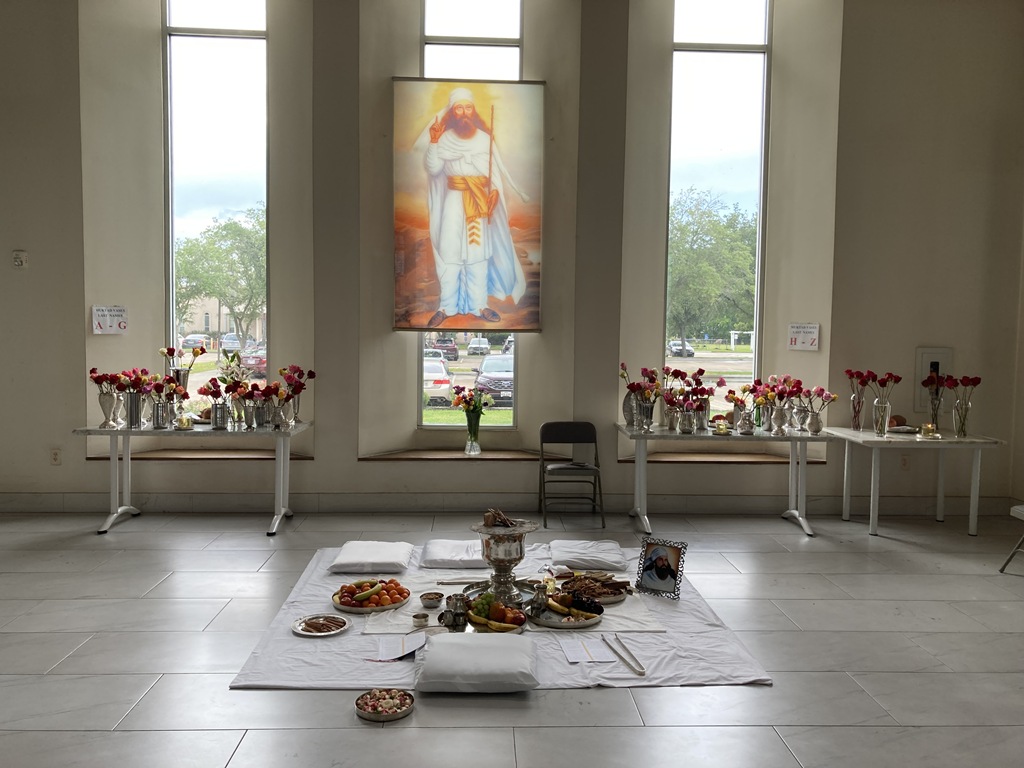
Muktad Tables at the Bhandara Atashkadeh in Houston.
About Zubin Mory
Zubin R. Mory lives in Sugar Land, TX with his wife, Dilnaz, and their three children: Jeh (25, New York), Zaal (22, Fort Worth), and Jidina (14, at home in Sugar Land). They are active members of the Zoroastrian Association of Houston (ZAH).
Zubin’s parents, Rusy P. Mory and Villoo R. Mory, and his wife’s parents, Jehangir and Rupina Khambatta, lived in Mumbai and are no longer with us.
He is the founder of RealtMOR Asset Management (RAM), a firm focused on residential real estate and equity investments. With over 25 years of experience in finance and real estate, Zubin has served on several boards, including healthcare and tech investment firms on Wall Street, such as DLJ, CSFB, Banc of America Securities, Oppenheimer & Co, and Roth Capital Partners.
He earned his MBA from the University of Michigan’s Ross School of Business (with distinction) and his undergraduate degree (MBBS) from the University of Mumbai. Zubin has previously served on the board of the Waterview Condominium in Aventura, FL (2021) and currently serves on the board of Loma Linda Condominium in Phoenix, AZ (since 2023).