
While Prime Minister Narendra Modi attends the Shanghai Cooperation Organisation Summit elsewhere in China, two Indians in Beijing — Mehernosh Pastakia, a Parsi, and Rabiul Baksh, a Bengali — have quietly been building cultural bridges through food.
Beijing, a city of over 22 million people, has fewer than a thousand Indians. Among them, Pastakia and Baksh have become culinary fixtures, serving not only expatriates and embassy staff but also local Beijingers who crave authentic Indian flavors.
Article by Arijit Sen | The Telegraph
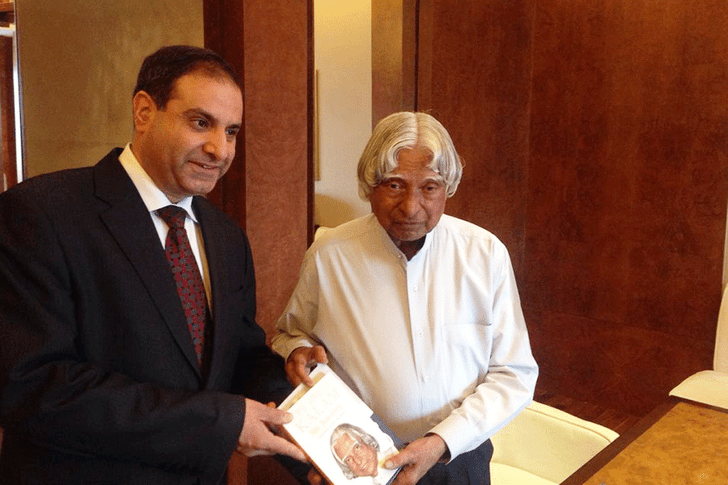
Former President APJ Abdul Kalam with Mehernosh Pastakia
Mehernosh Pastakia: From Taj Pavilion to State Dinners
When a young 24-year-old Pastakia first arrived in China in 1991, the country was only beginning to open to foreign influences. Soon after, he married Zheng Xiaowen and, together, they launched Taj Pavilion in the China World Trade Centre — one of Beijing’s first Indian restaurants.
Over nearly three decades, Pastakia has consolidated his ventures into a single celebrated restaurant at the Lido Hotel. Along the way, he has catered for visiting Indian dignitaries, including three prime ministers — Atal Bihari Vajpayee, Dr. Manmohan Singh, and Narendra Modi — as well as President A.P.J. Abdul Kalam.
For the Indian community, Taj Pavilion has become more than a restaurant: a home for celebrations from Ganesh Chaturthi to Onam to Durga Puja. For Beijingers, it is a trusted window into Indian hospitality, served with Pastakia’s fluency in Mandarin.
Rabiul Baksh: The New Kid with Old Roots
If Pastakia is the elder statesman of Indian cuisine in Beijing, Rabiul Baksh is its youthful dynamo. The 32-year-old Bengali chef opened his first restaurant, Dastaan, in 2021. In quick succession, he added Bollywood Tales, Mumbai Impression, and Rabiul’s Kitchen, all in Beijing’s Chaoyang district.
His culinary journey traces back to his grandfather in East Midnapore, West Bengal, and his father, who moved to Tokyo as a chef in 2007. Growing up amid the aromas of Bengali cooking, Rabiul says he was destined to be a chef. Today, he proudly serves kosha mangsho and biryani “just the way you’d want them in Calcutta” — dishes that win over locals and foreigners alike.
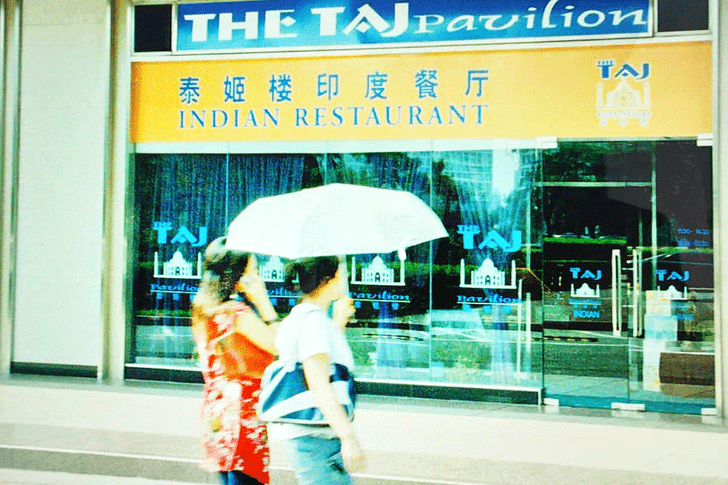
Taj Pavilion in Beijing.
Food as Diplomacy
Together, Pastakia and Baksh embody the role of restaurateurs as cultural ambassadors. Their kitchens have become spaces where Indians abroad find community and where Chinese diners discover the depth of Indian cuisine.
In the 1950s, Indian diplomat Natwar Singh wrote of struggling to order food in Peking with only two phrases of Chinese. Seventy years later, Pastakia and Baksh switch effortlessly between Mandarin and Bengali or Gujarati, offering meals that resonate across borders.
In a year marking the 75th anniversary of diplomatic ties between India and China, these two chefs remind us that sometimes the most enduring bridges are built not by politicians, but through the shared language of food.