Within the intricate tapestry of India's history, one finds the compelling narrative of the Parsis, a community whose...
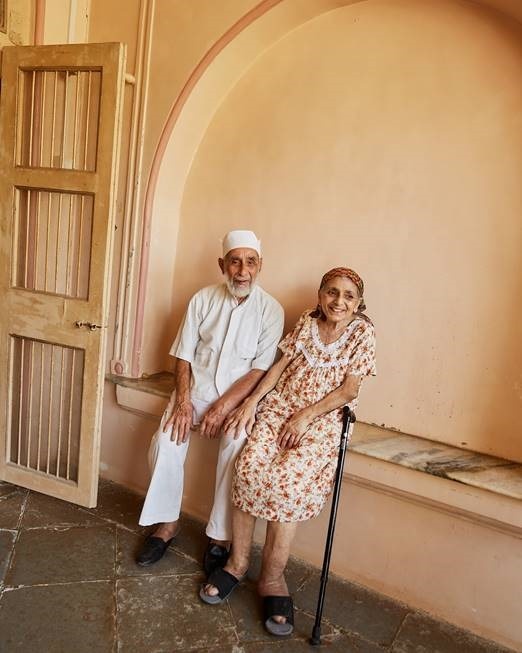

Within the intricate tapestry of India's history, one finds the compelling narrative of the Parsis, a community whose...
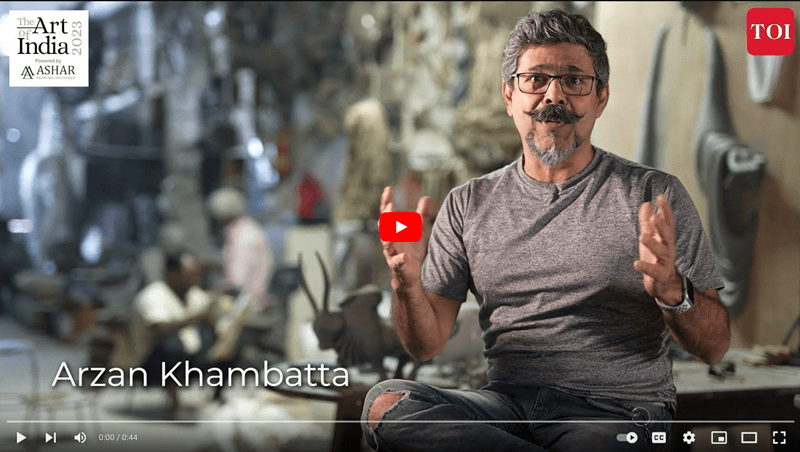
In a corner at Bikaner House at the Art & Soul, Art of India exhibition is a stellar sculpture of a horse’s...
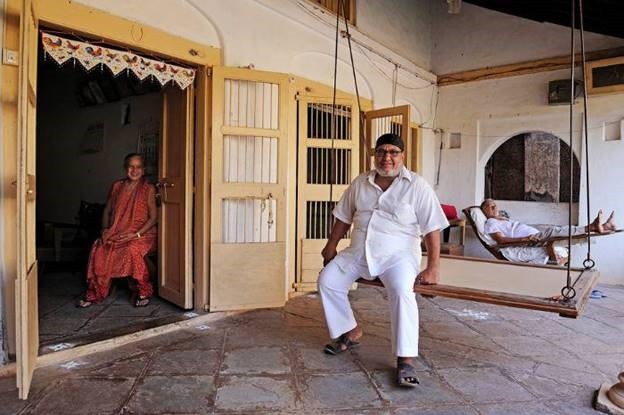
Mumbai’s culture has been enriched and entwined with the Parsi community for centuries now. From the Parsi gara to the nataks to business, the community has contributed immeasurably and been...
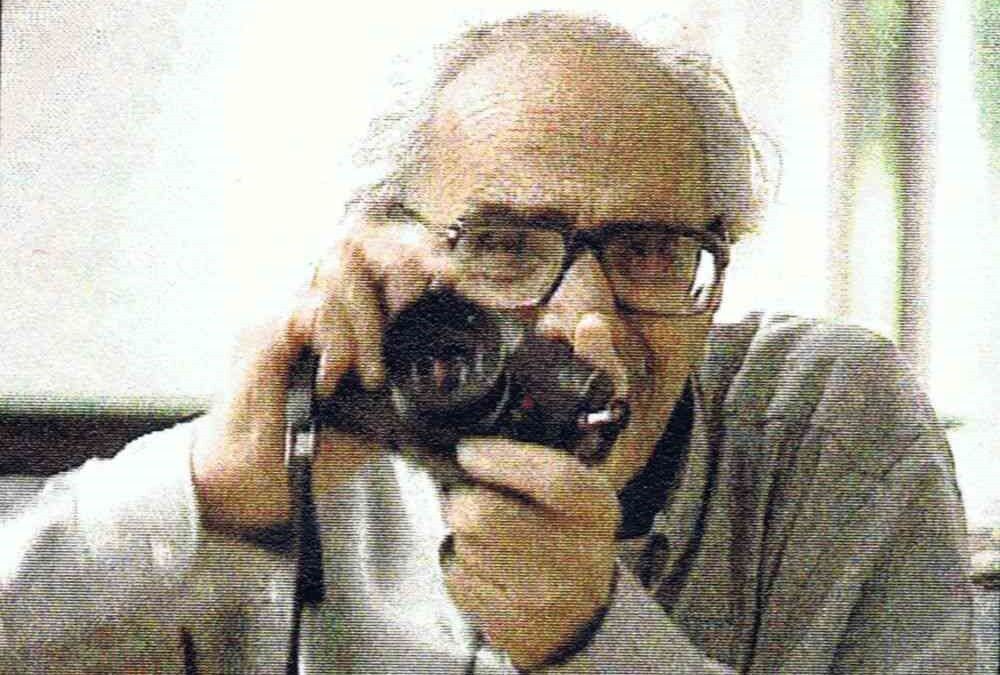
Remembering Sam Tata, the photographer who was equally at ease on the street and in the studioBetween taking portraits of everyone from Prithviraj Kapoor to Leonard Cohen, Tata teamed with Henri...
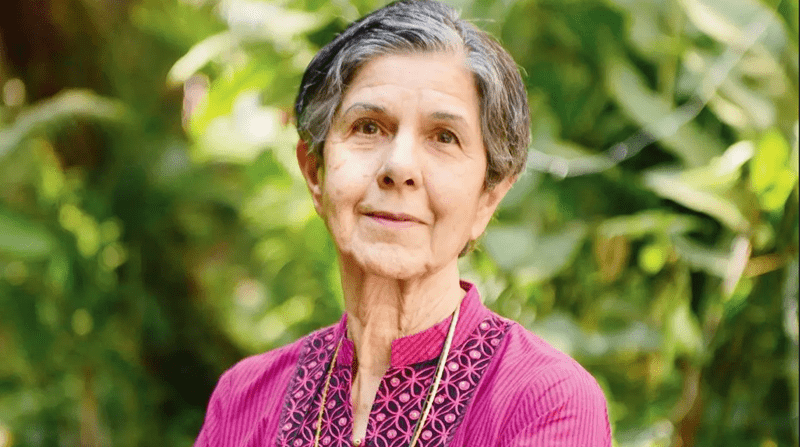
Meet the one-woman army who became the force behind some of Indian classical arts’ heavyweights who performed in Europe in the 1980s and ’90sIn the Bombay Parsi home that London-based writer and...
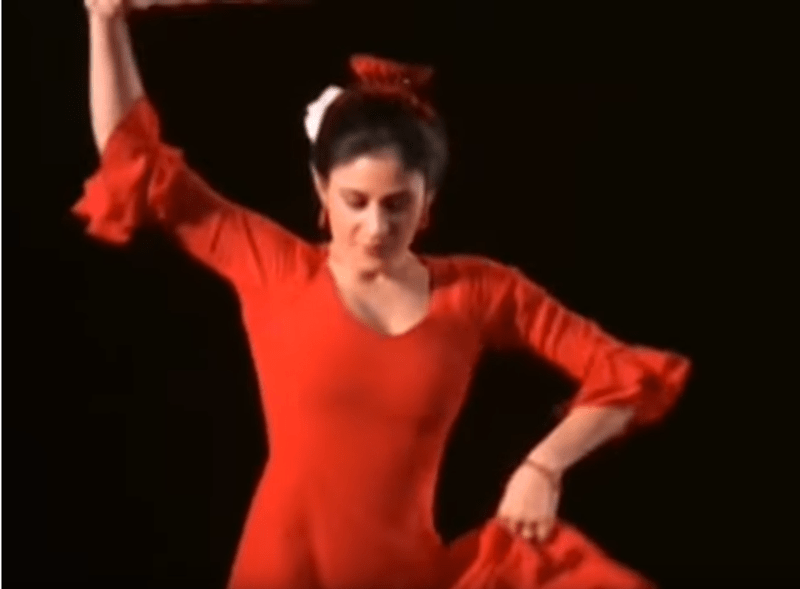
Ole! Flamenco was founded by Behnaz Khusrokhan Bhandare. Behnaz started dancing at the age of 4 at the School of Classical Ballet and Western dance in Mumbai. She has a Bachelors in Dance from...
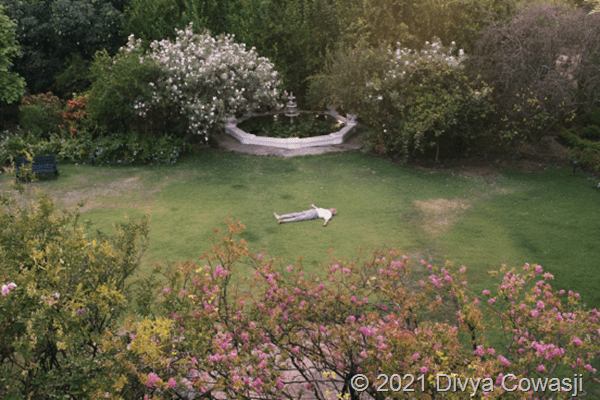
We are thrilled to share a very timely initiative by our dear friend and brilliant filmmaker Divya Cowasji. She writes… “I am Divya Cowasji, a Parsi filmmaker and photographer from India. Like...
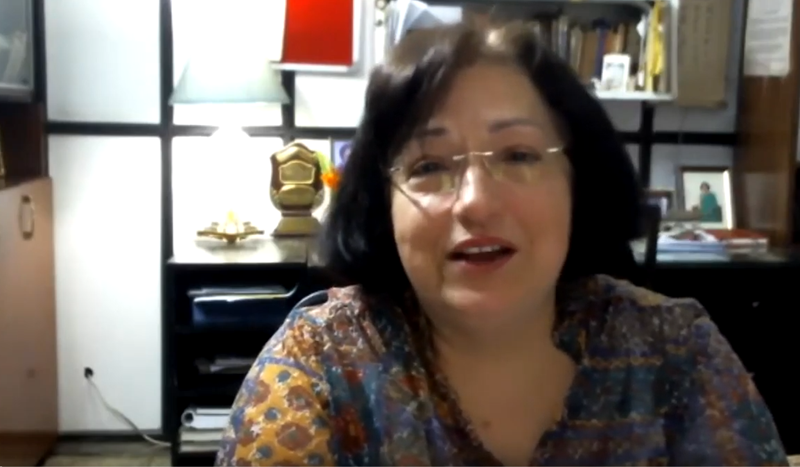
Dr. Shernaz Cama the founding director of UNESCO PARZOR Project speaks on ZAMWI ZOOM, a lecture series curated by the Zoroastrian Association of Metropolitan Washington DC.
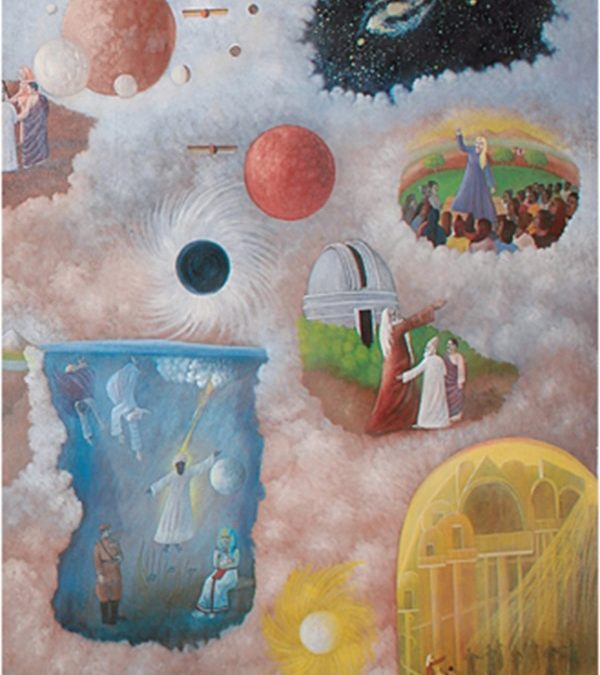
Jimmy Engineer said that he has been painting for well over four decades and has so far created hundreds of paintings but he considers transforming big murals into colourArticle by Muhammad Zahid...
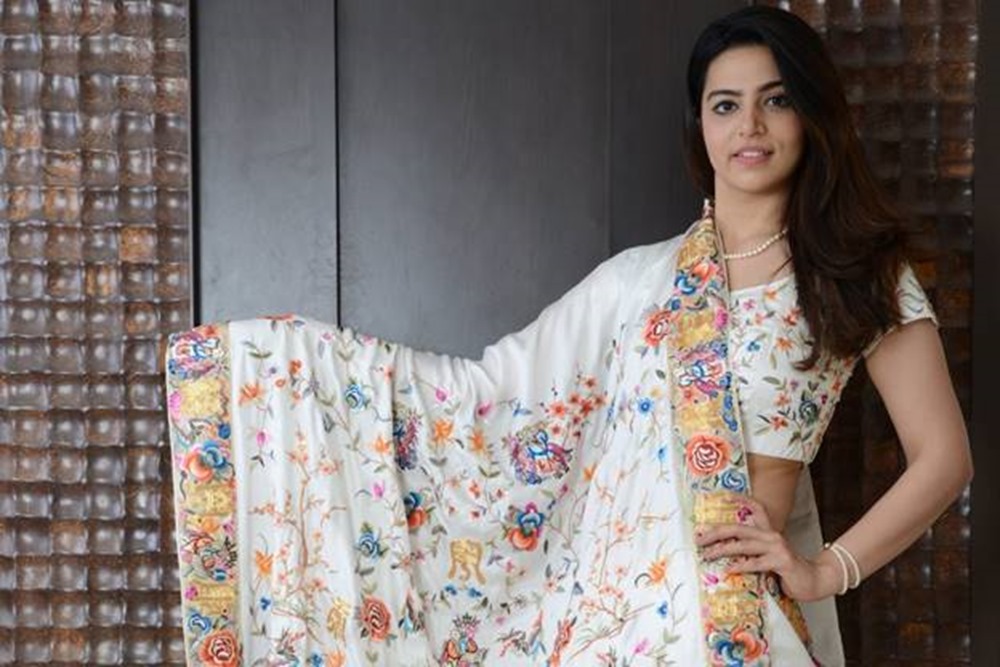
Nineteenth century Parsee traders returned to India from Canton with embroidered silk cloth which was fashioned into unique saris which came to be known as garas Traditional Parsee embroidery has...
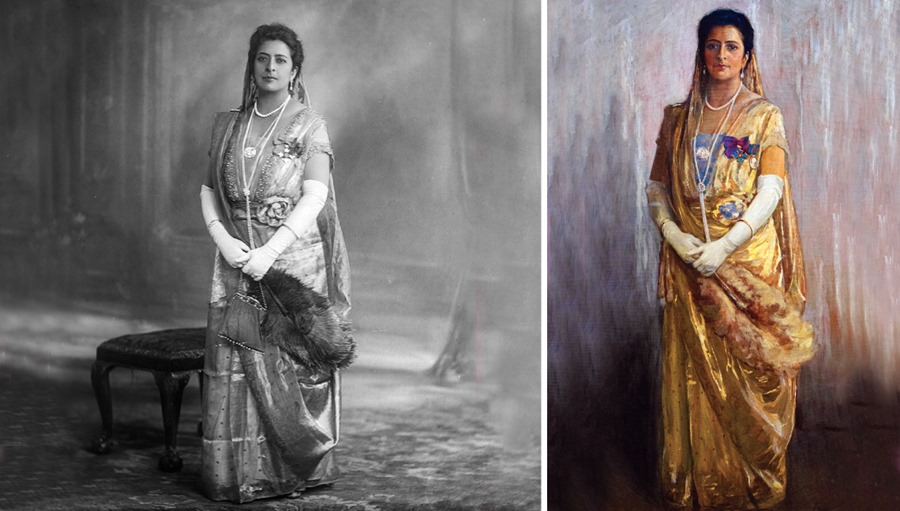
A photograph taken seven years before her passing says much about the life, times and character of the trailblazing Meherbai Tata The much-loved wife of Dorabji Tata and daughter in-law of Jamsetji...
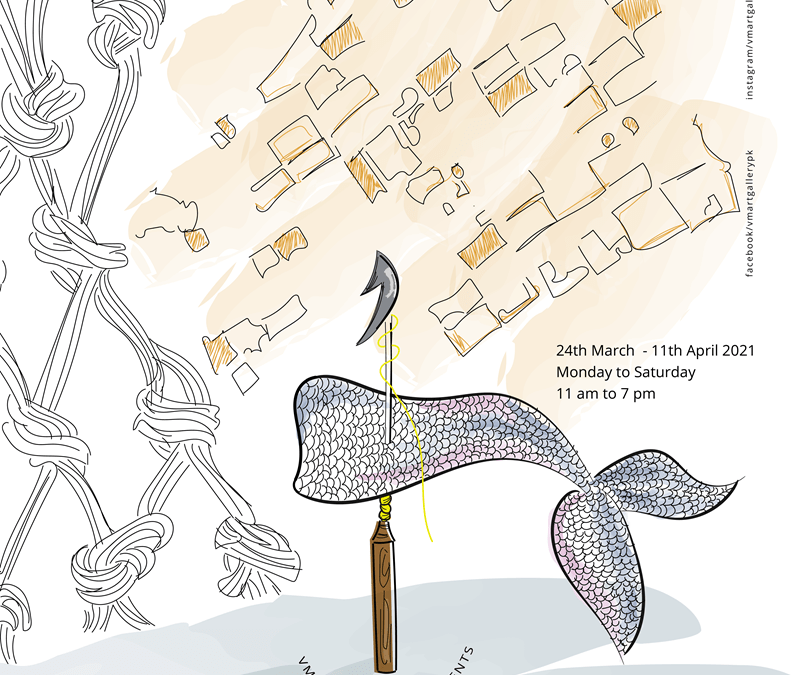
We are thrilled to inform that our dear friend Veera Rustomji will have a solo exhibition at VM Art Gallery in Karachi Pakistan.VM Art Gallery is pleased to present Fish Meets Grill, a solo...
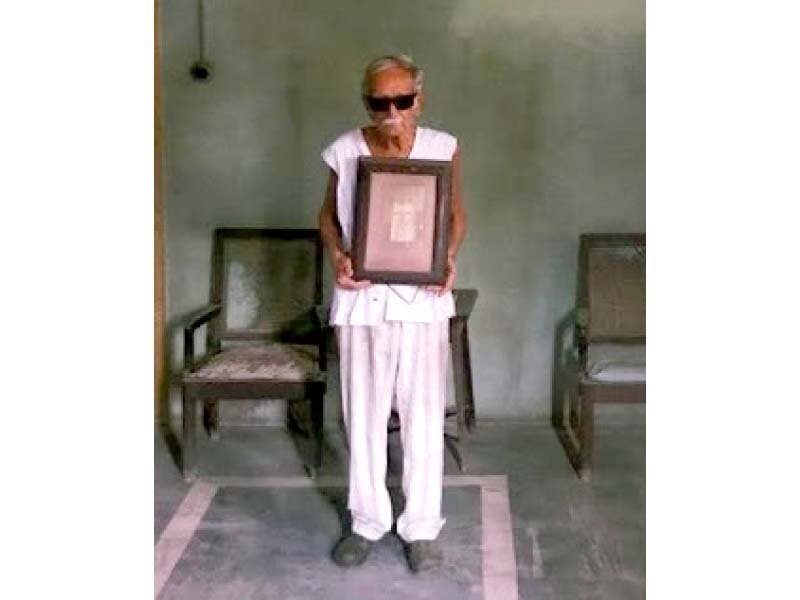
Photographer Arif Mahmood's Pestonjee, Silver Linings leave one in sweet melancholy KARACHI: As the pandemic makes us nostalgic, longing for the yesteryears when times were simpler, a studio-light...
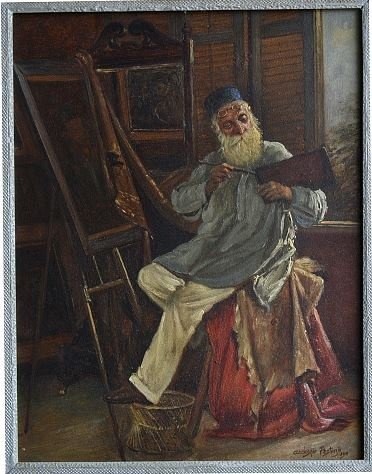
Wonder how the world-famous author Rudyard Kipling, a Parsi artist and a Rhinoceros are connected? Look at the portrait of a Parsi artist, Pestonjee Bomanjee (1851-1938) with his long white beard,...
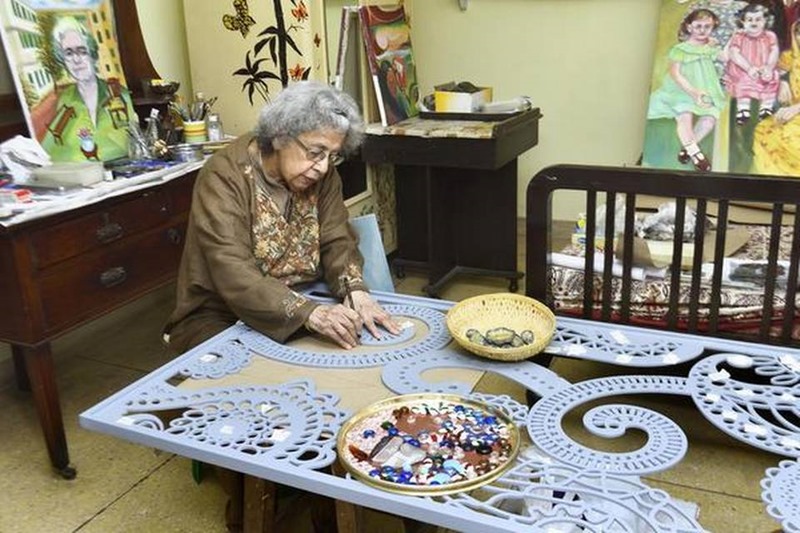
Stained glass designer Katayun Saklat’s paintings, with their disconcerting details, give a dark twist to sweet nostalgia At first glance, Katayun Saklat is just another kindly, elderly lady with a...
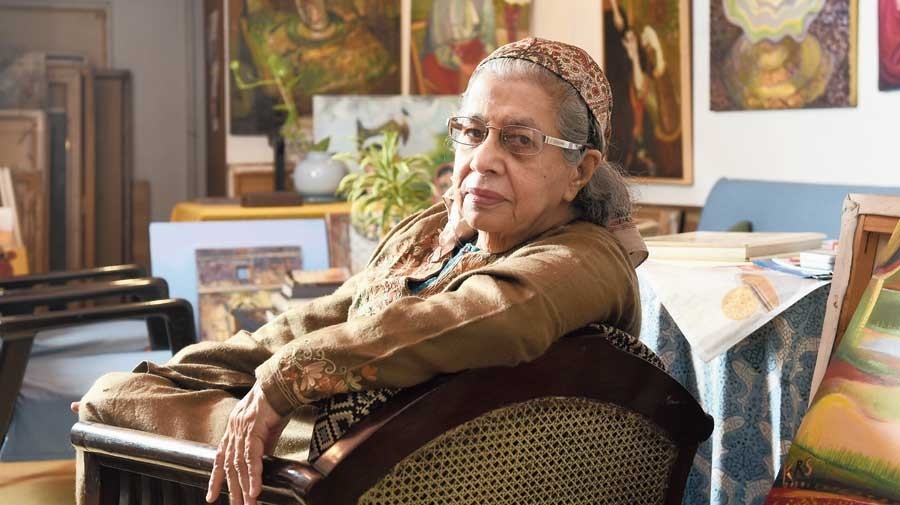
Katayun Saklat , 82, is a charming and exuberant painter and stained glass artistSeated in the drawing room of her Auckland Square apartment, Katayun Saklat, painter and stained glass artist, though...
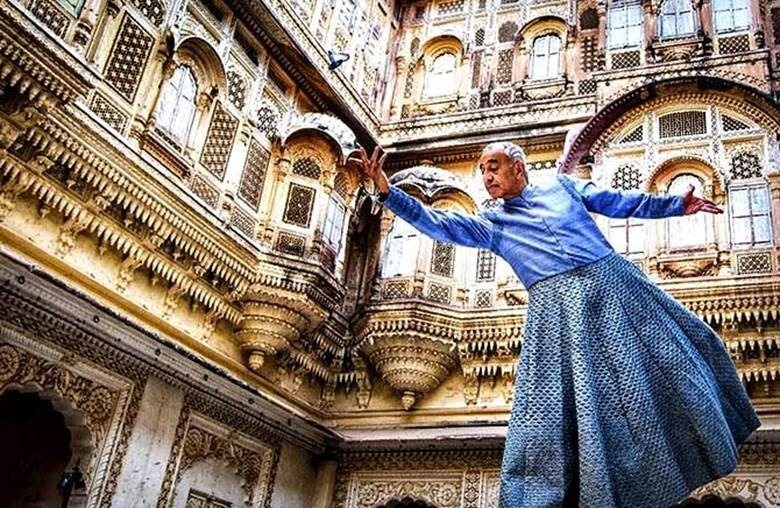
'Astad had the courage to plough a lonely furrow. He made a life of his own, on his own, and created a path-breaking dance style.''Only a few in the performing arts could do what he did.''A...
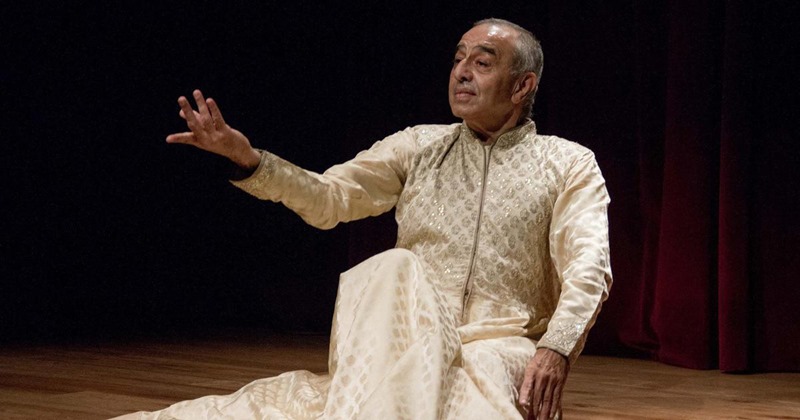
‘His works represent an important segment in contemporary dance expression in India,’ the Sangeet Natak Akademi had said.Dance pioneer Astad Deboo passed away in the early hours of Thursday, his...

WHAT’S ON the newsletter of the Karachi Zarathoshti Banu Mandal informs…Video: “The Servant of Pakistan: Jimmy Engineer” Honours “apro” Jimmy Fali EngineerAs a tribute on the 143rd birth anniversary...
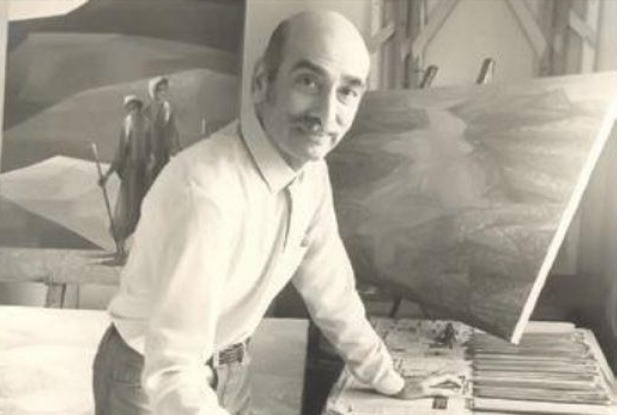
In an exclusive conversation with The Morning Standard, Puneet Shah, Founder of Akara Art, and Curator of the show tells us more.Connoisseurs of Jehangir Sabavala (1922-2011), will take delight that...

A master of light and play, with a blend of Impressionist and Cubist elements, Jehangir Sabavala's blue-chip art has inspired a sense of wonder and awe. Akara Art's latest show revives the late...
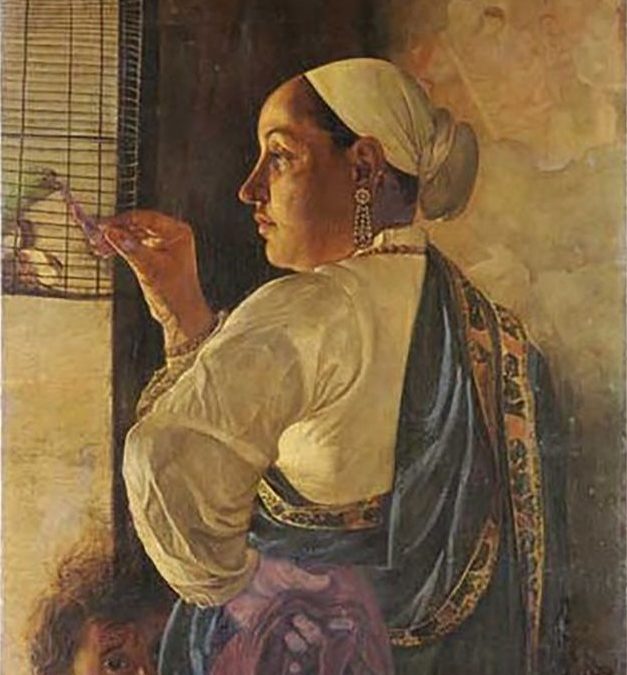
Elephant and Artsy have come together to present This Artwork Changed My Life, a creative collaboration that shares the stories of life-changing encounters with art. A new piece will be published...
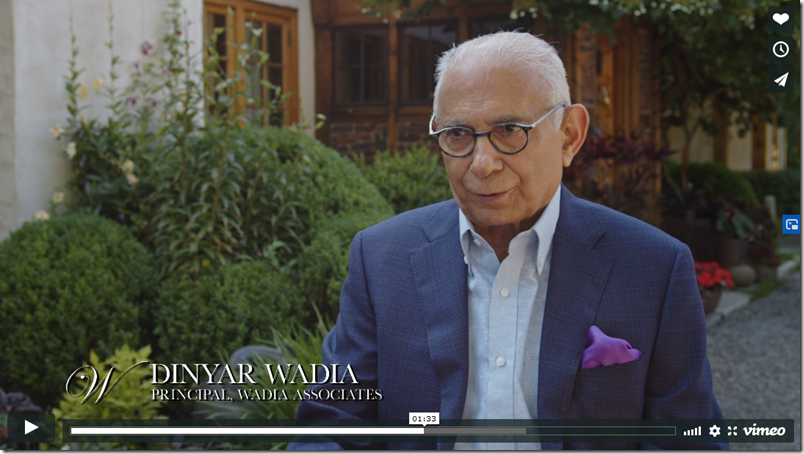
A newsletter from our dear friend Dinyar Wadia of Wadia Associates, an award winning architecture and design firm from Connecticut, USA informs... "The Wadia Way" We hope this finds you well. If you...
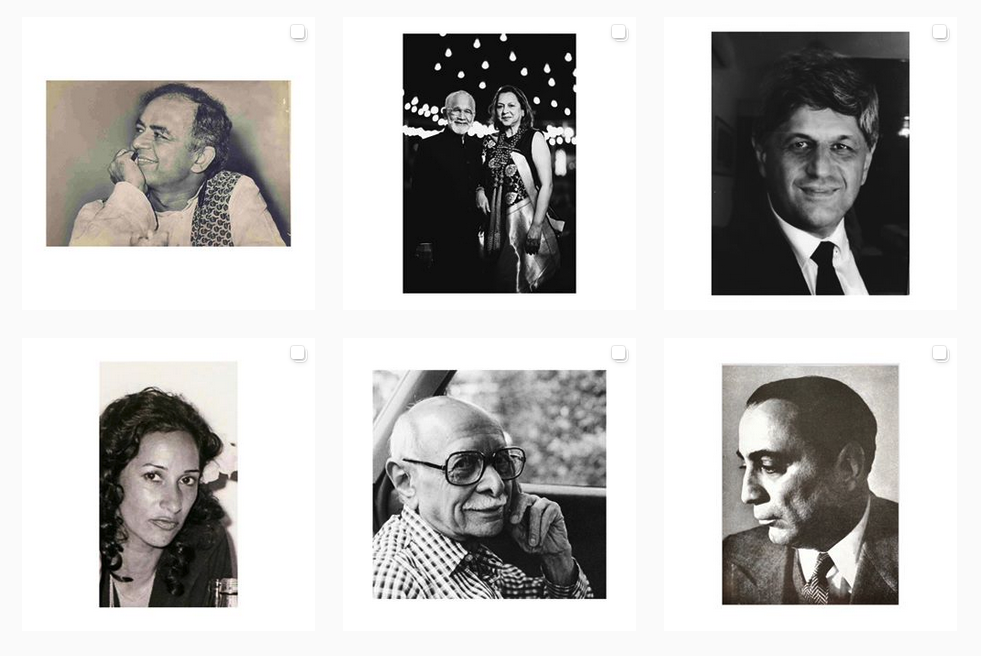
Chemould Prescott Road is doing a wonderful series on The Collectors. Here are some of the Parsi collectors it has featured https://www.instagram.com/p/B_7qRvWj2fr/?utm_source=ig_web_copy_link Homi...
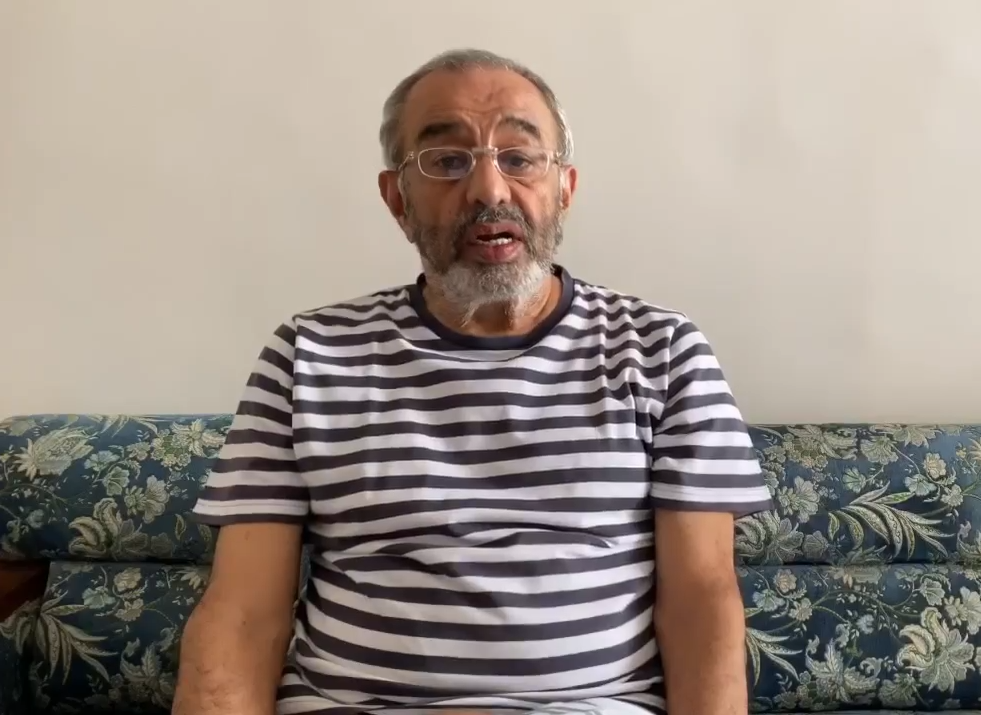
Legendary artist and India's greatest contemporary dancer and our dear friend Astad Deboo shares a short message during the current COVID-19 pandemic lockdown.
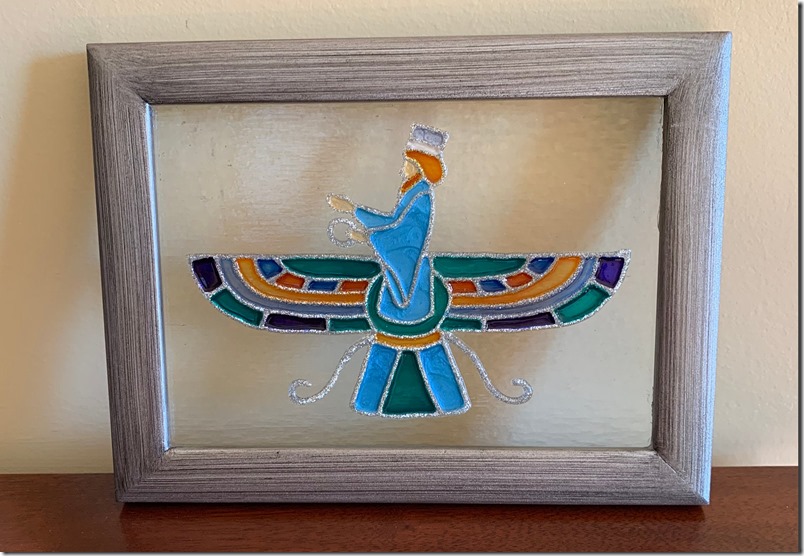
B-Creative Hand painted Glass Art By Binaifer On a background of beautifully textured art glass, my creations are painstakingly hand painted and come ready to display with an aesthetically...
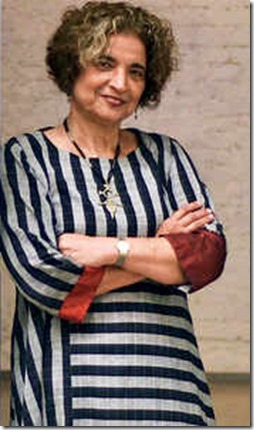
The London filmmaker on chronicling the legacy of Khorshed and Kekoo Gandhy.As a young woman, Behroze Gandhy tried hard to maintain a distance from her artistic lineage. “Growing up, I didn’t want...
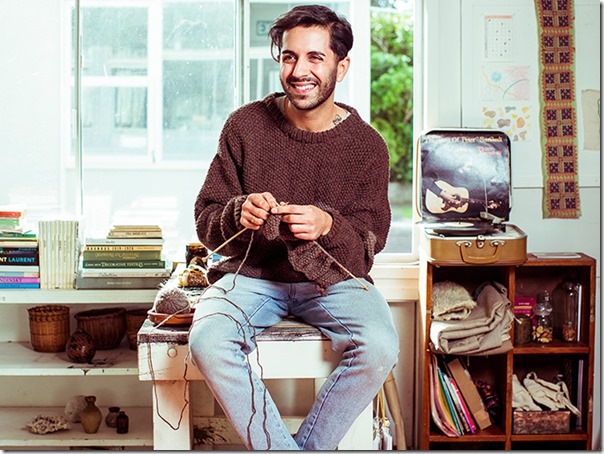
Otago Museum is thrilled to host Areez Katki’s acclaimed textile-based art exhibition, Bildungsroman, at the H D Skinner Annex opening on Saturday 11 January.The embroidered works explore Katki’s...
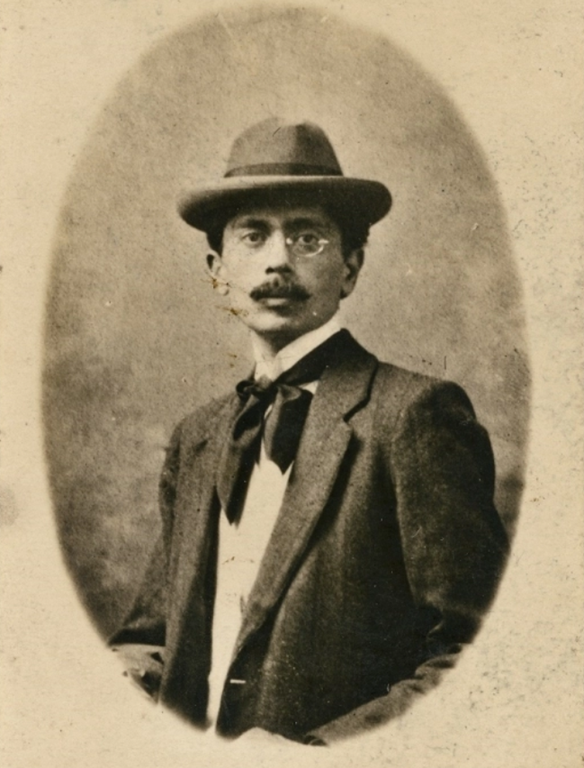
Art in India has largely been a niche world, with few artists being known beyond the rather small circle of connoisseurs. But even within this small world, some brilliant artists and their work have...
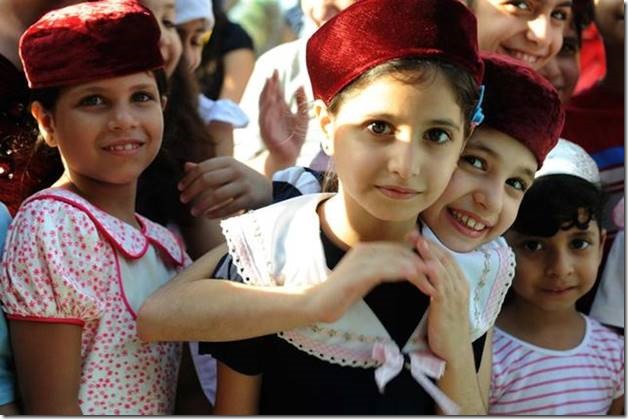
An ongoing photo exhibition tries to highlight the rare moments of a fast dwindling Zoroastrian community of India.The exhibition showcases about fifty photographs by photographer Shantanu Das,...
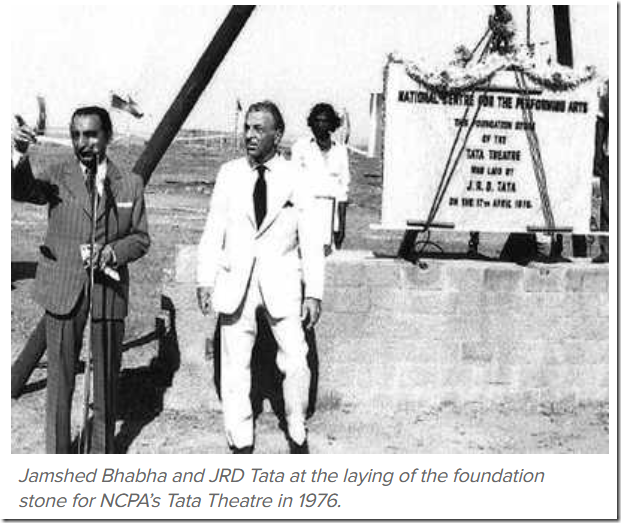
One day, perhaps, the NCPA’s work may be more important for the country than the work of the steel company,” JRD Tata had famously told Jamshed Bhabha, founder of the institution when the latter...
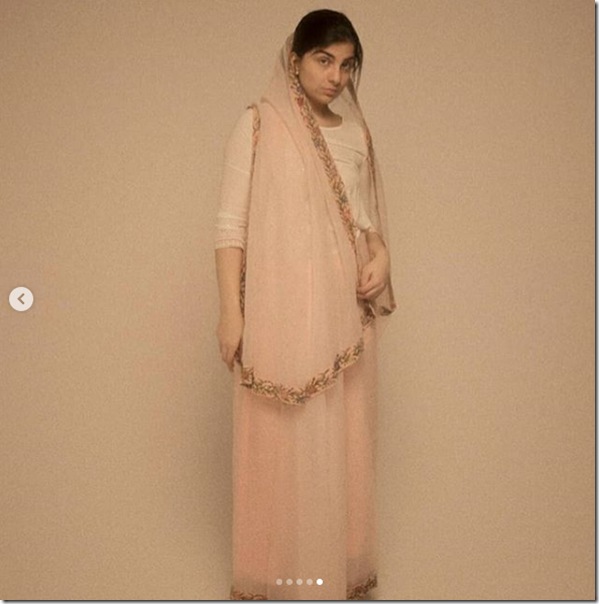
Our dear friend Anaheez Karbhari, an extremely talented graphic artist in Toronto, was recently featured on the Indian Women’s Blog. “My artwork relies heavily on my background as a Zoroastrian,...
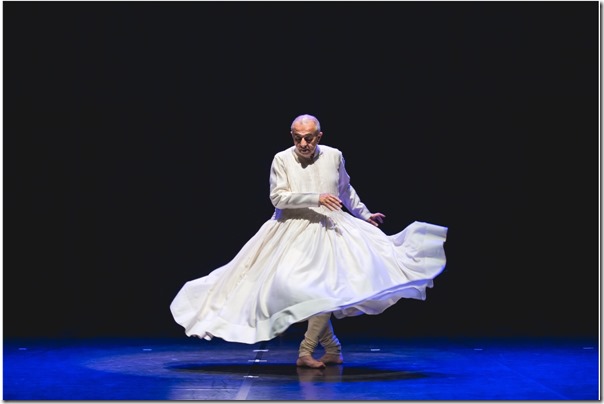
Celebrated Indian contemporary dancer and choreographer Astad Deboo on his 50-year career, hitchhiking across the world and moreArticle by Samira Sood | CNN TravellerAstad Deboo in flow. Photo: Amit...
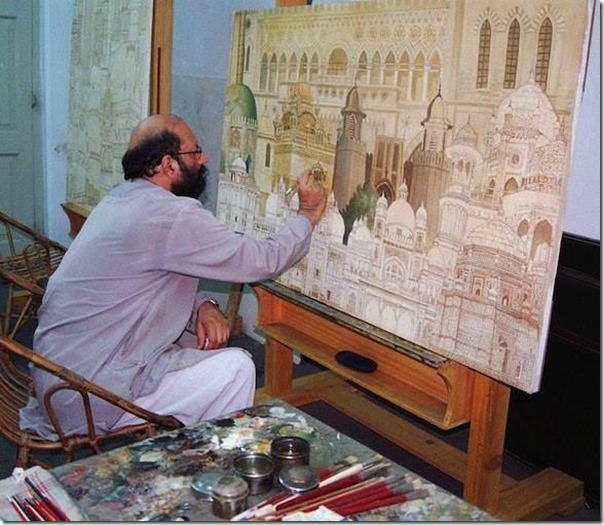
World-renowned Pakistani artist, peace activist and social crusader Jimmy Engineer has been selected for Habib Jalib Peace Award for 2019 in appreciation and recognition of his meritorious services...
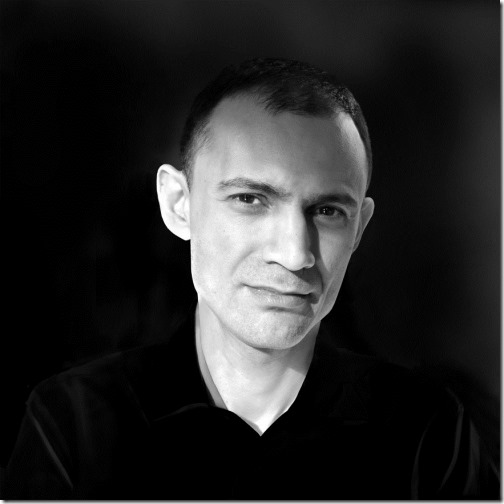
Sarosh Anklesaria is one of the six winner of the 2019 RIchard Rogers Fellowship. Announced by the Harvard Graduate School of Design, Sarosh will will spend three and a half months completing an...
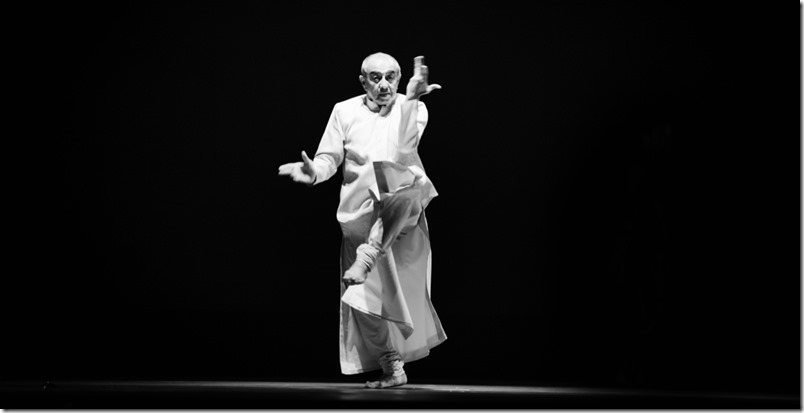
The dancer is revolutionary in many ways, one being his ability to make his body do what he wants it to At 71, Astad Deboo has one hell of a back bend. In his new performance Liminal, and the...
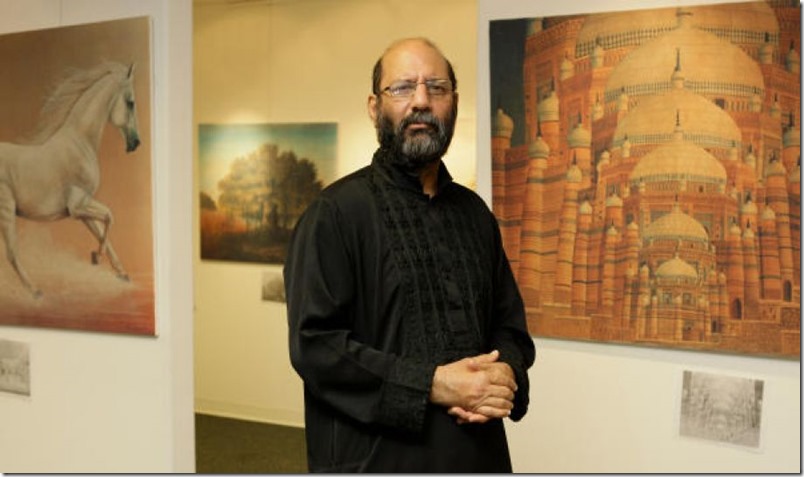
Jimmy described his wall paintings depicting Allama Iqbal's masterpiece Javed Namah as his most difficult work, but also one of his major artistic achievements“I have been sent here,” said an...
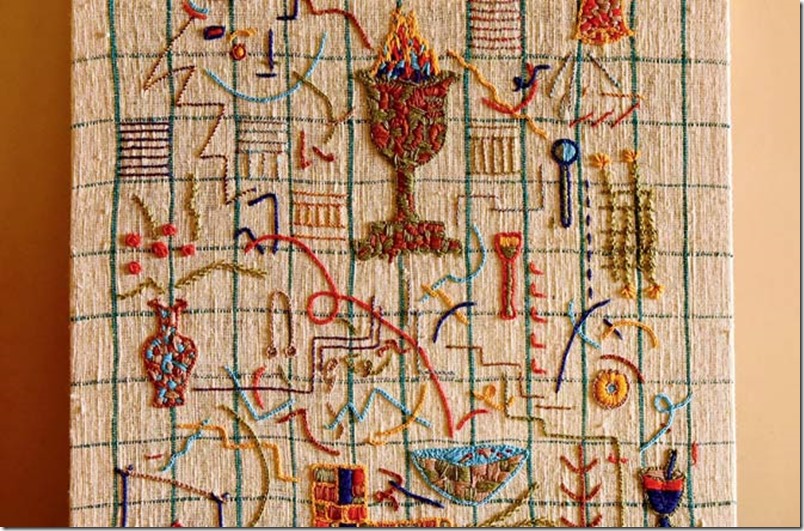
From Auckland to Mumbai to Tehran, textile artist and aesthete Areez Katki is retracing his family's great odyssey, for inspiration for his next collectionInstead of using a tapestry frame, textile...
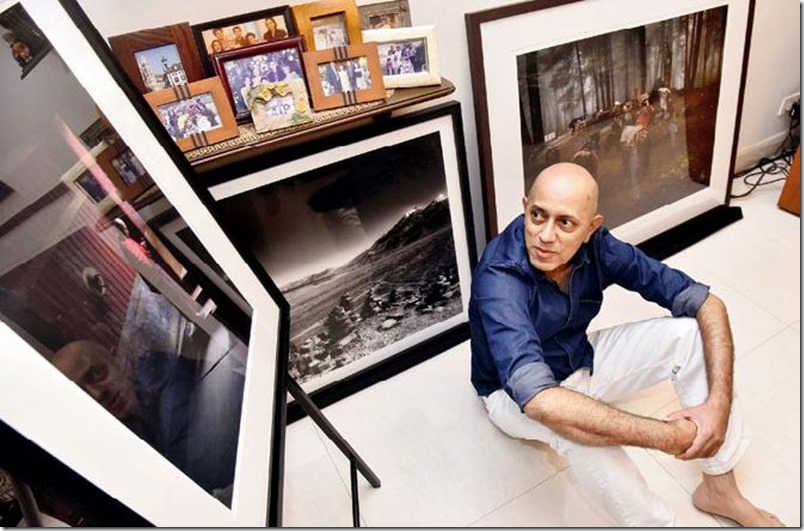
Zubin Balaporia's photography exhibition explores how he listens to his picturesContemporary Design Store BARO will host photographer Zubin Balaporia’s first Photography Show titled “BLESSED BY THE...

On September 9, 1925, Jehangir Tata wrote a letter to his father Ratanji Dadabhoy Tata from the barracks in the south of France. The 21-year-old had come up with a way to help the family business....
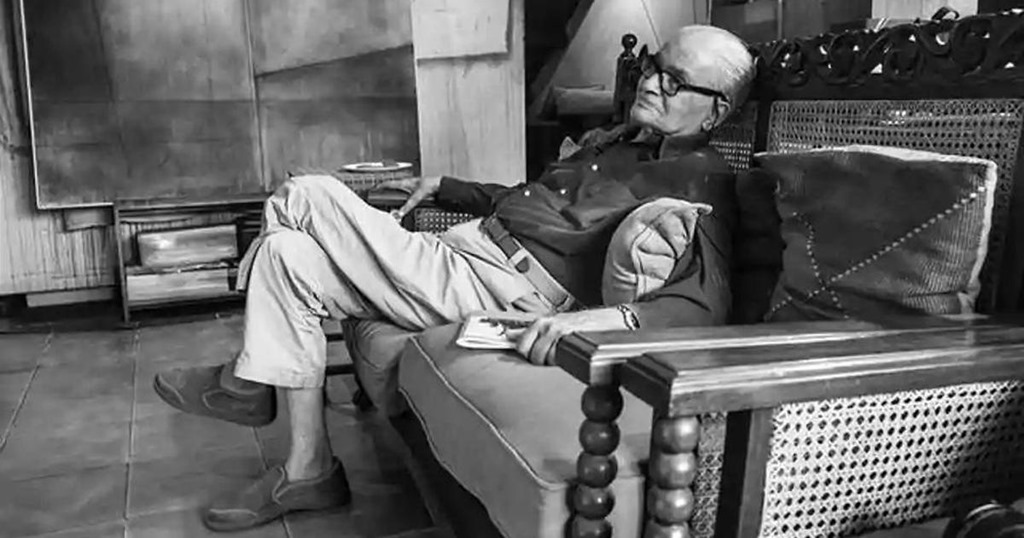
He came to his canvas with no feelings of certainty about what he wanted, with no pretense that it was a willing ally in the act of creation. We were sitting in a Charles Correa-designed house,...
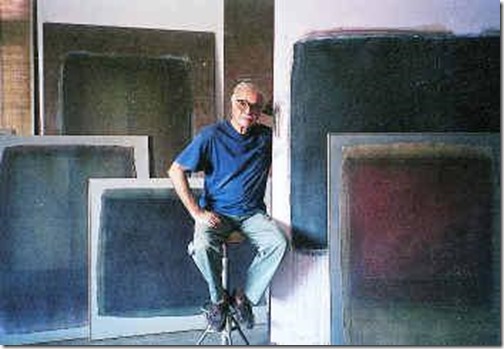
The 87-year-old veteran artist had been ailing for a while The Mumbai-based artist, Mehlli Gobhai has died at the age of 87 in a city hospital this morning. The artist was said to be ailing for a...
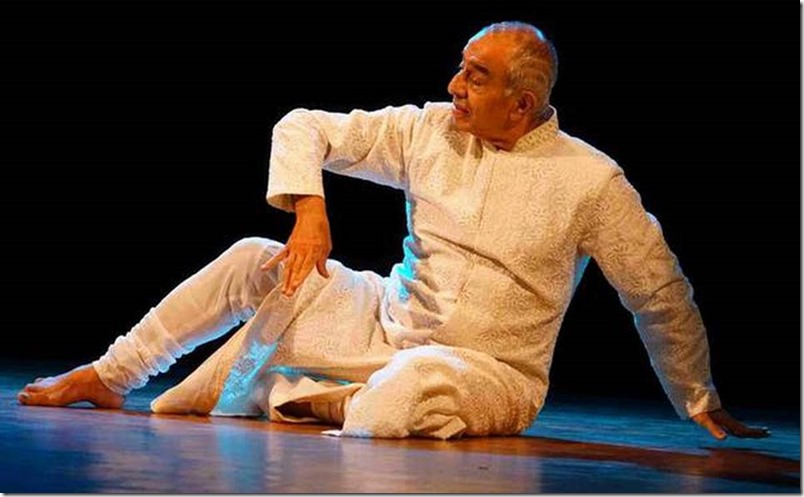
At 71, Astad Deboo still walks with the leaping grace of a warrior Is it sweet revenge to be acclaimed as a living legend of dance right here in the most conservative of dance bastions?” I ask Astad...
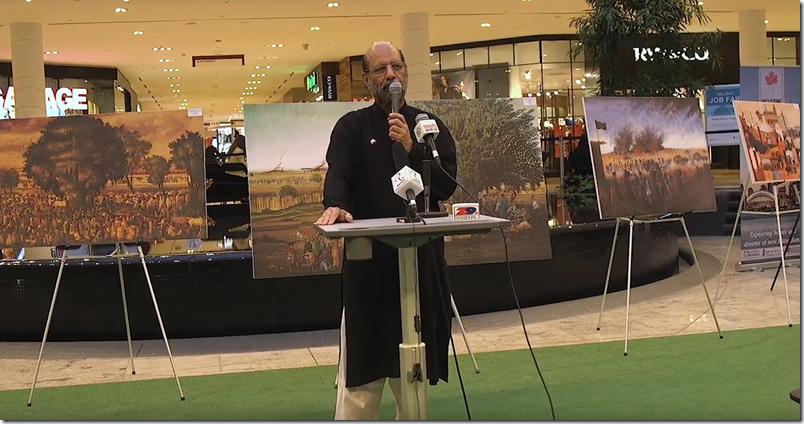
WORLD renowned Pakistani artist, social crusader and philanthropist Jimmy Engineer continues to promote and project soft, positive, moderate and forward looking image of Pakistan and its...
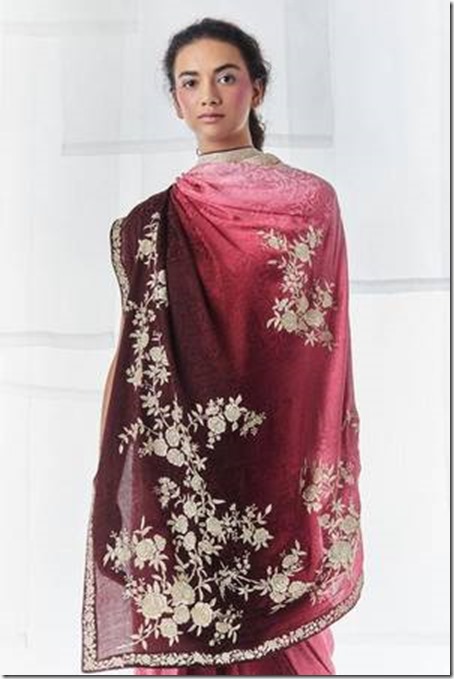
Ashdeen Lilaowala dives into his fabulous family archives and has come up some “Vintage Tales” Childhood memories never fade away. In fact, the talented tend to preserve these precious recollections...
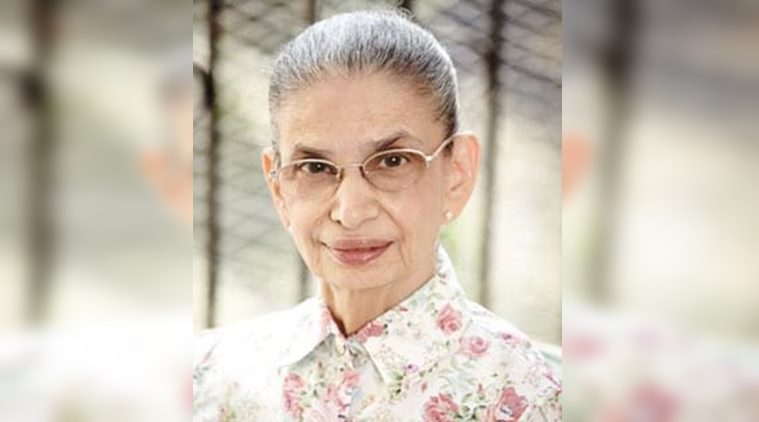
She is survived by her husband Feroze and daughters Khushcheher and Mahzeebar. The funeral took place on Monday. Article by Pooja Pillai | Indian Express Renowned ballet teacher Tushna Dallas, who...
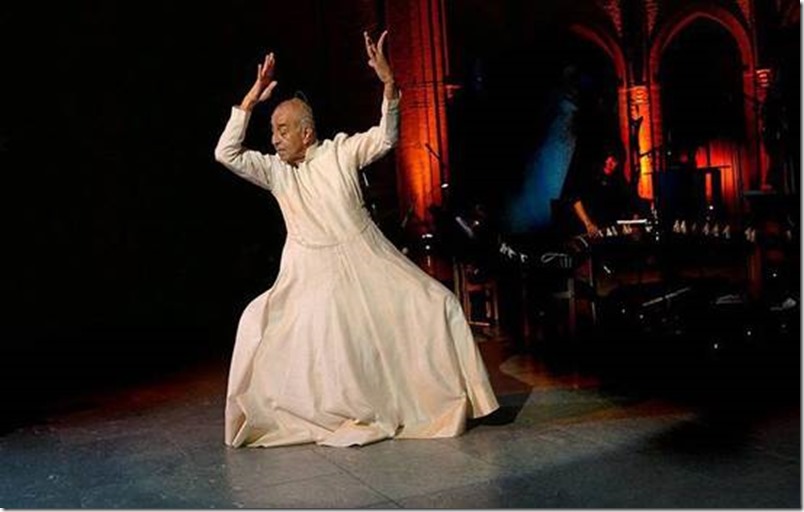
Four decades ago, after a world-wide tour of the West and East that helped him expand his conceptual horizons, a young Astad Deboo returned to his native India—and went down south to train in...
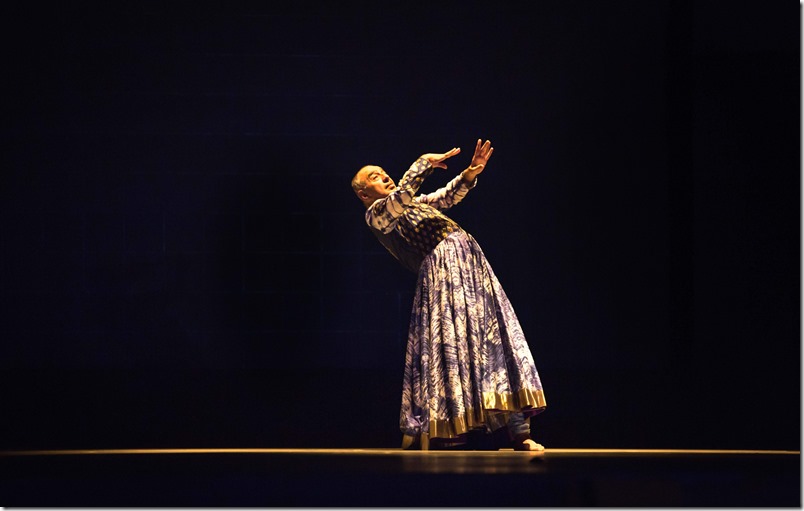
We are happy to announce that our dear friend and legendary contemporary dancer Astad Deboo shall be awarded a Lifetime Achievement Award today in Chennai.If music be the sounds between silence,...
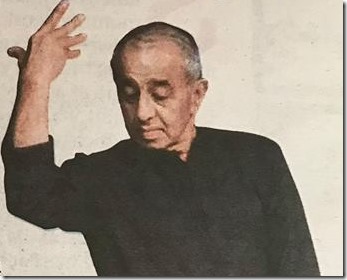
Our dear friend and brilliant legendary contemporary dancer Astad Deboo has been credited for blending his kathak and kathakali training and creating a unique dance form that has been appreciated...
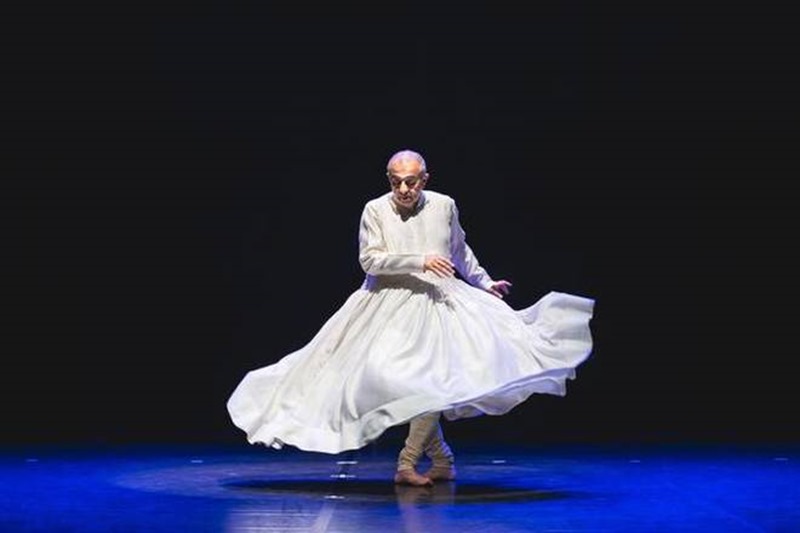
The celebrated dancer collaborates with rudra veena artiste Baha úd-din Dagar for his new work The word ‘contemporary’ that is bandied about in the performing art world today has a committed...
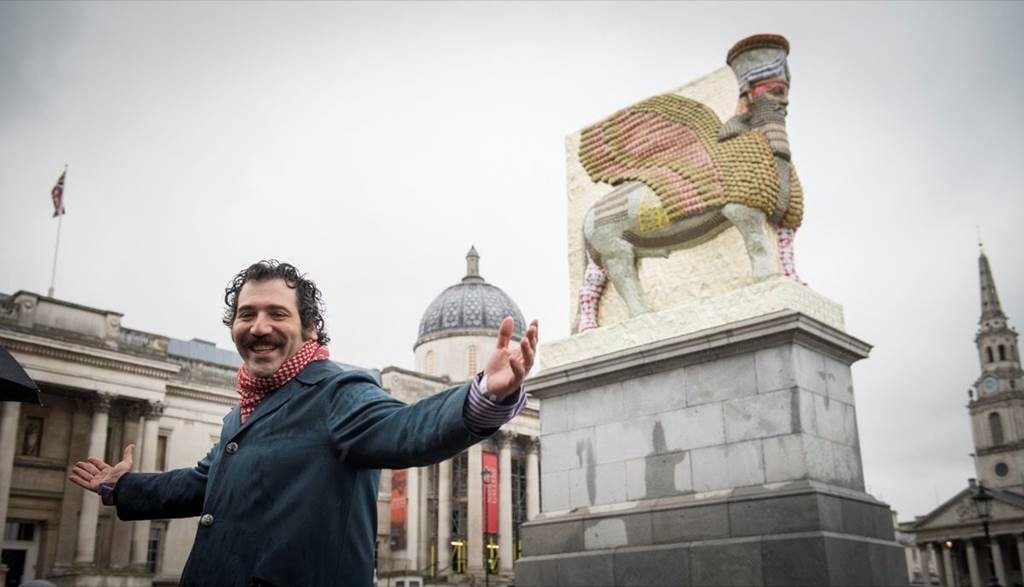
When Michael Rakowitz first visited London in 1984, his family treated him to a grand tour of the city’s cultural attractions. On the loftier end of their itinerary was the British Museum, where the...
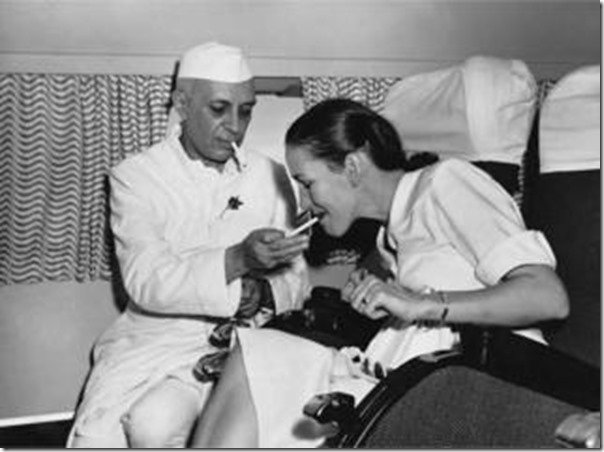
Homai Vyarawalla, India's first woman photojournalist, is best known for documenting the country's transition from a British colony to a newly independent nation. The BBC chronicles her life and...